中文简体
中文简体


Previous Post
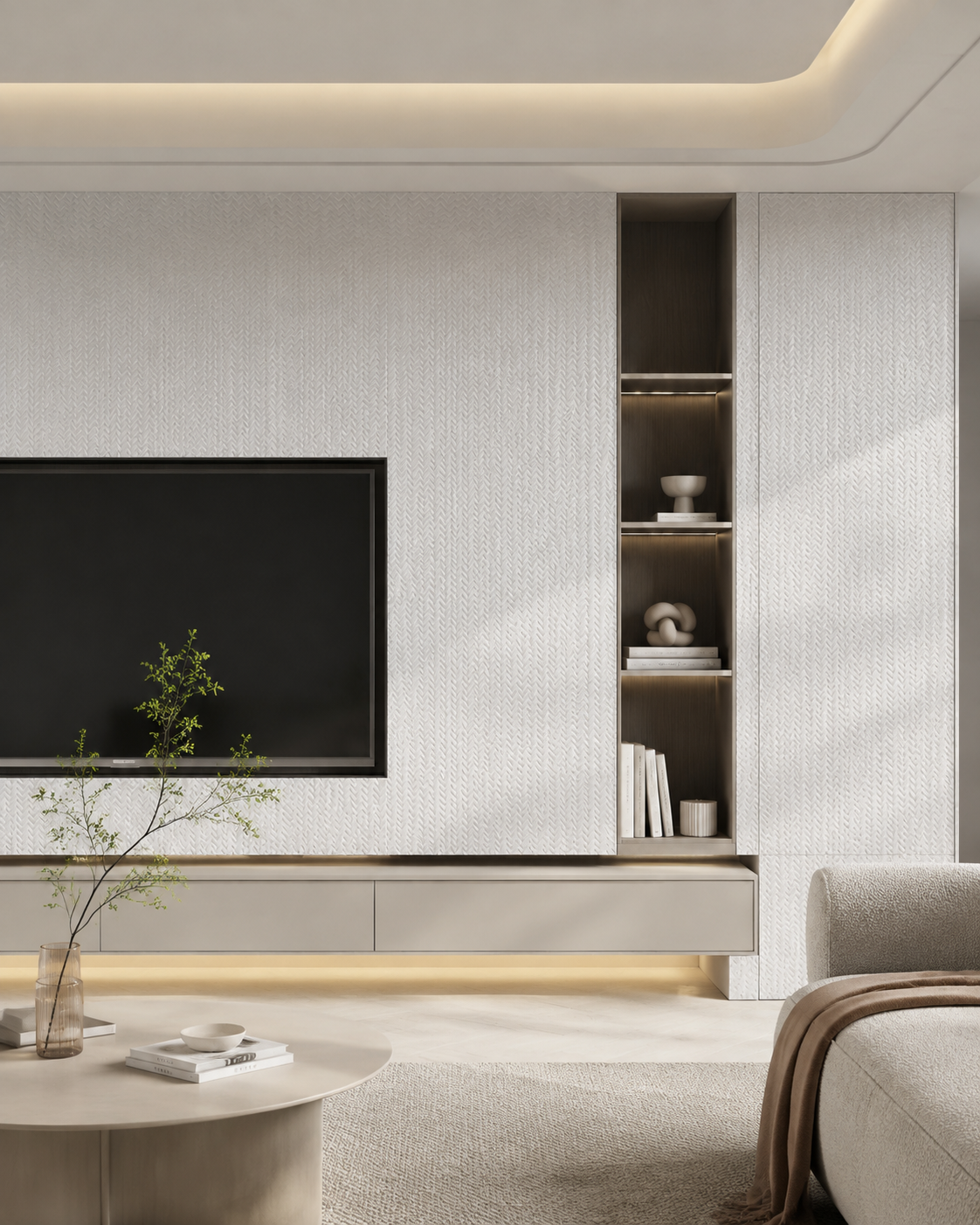
Leather textures are becoming a popular choice for high‑end hotels, boutique clubs, and luxury residential spaces.
The grain of goat grain, the texture of woven patterns, the fineness of nappa – these tactile details transform spaces from “cold luxury” into “warm luxury.”
But designers and homeowners often overlook one issue: the “premium feel” of leather texture is not only about the surface – it is also about the hardware connections.
Whether a cabinet door closes seamlessly, whether a drawer slides out smoothly, whether a handle remains secure for years – these details are the ultimate expression of premium feel.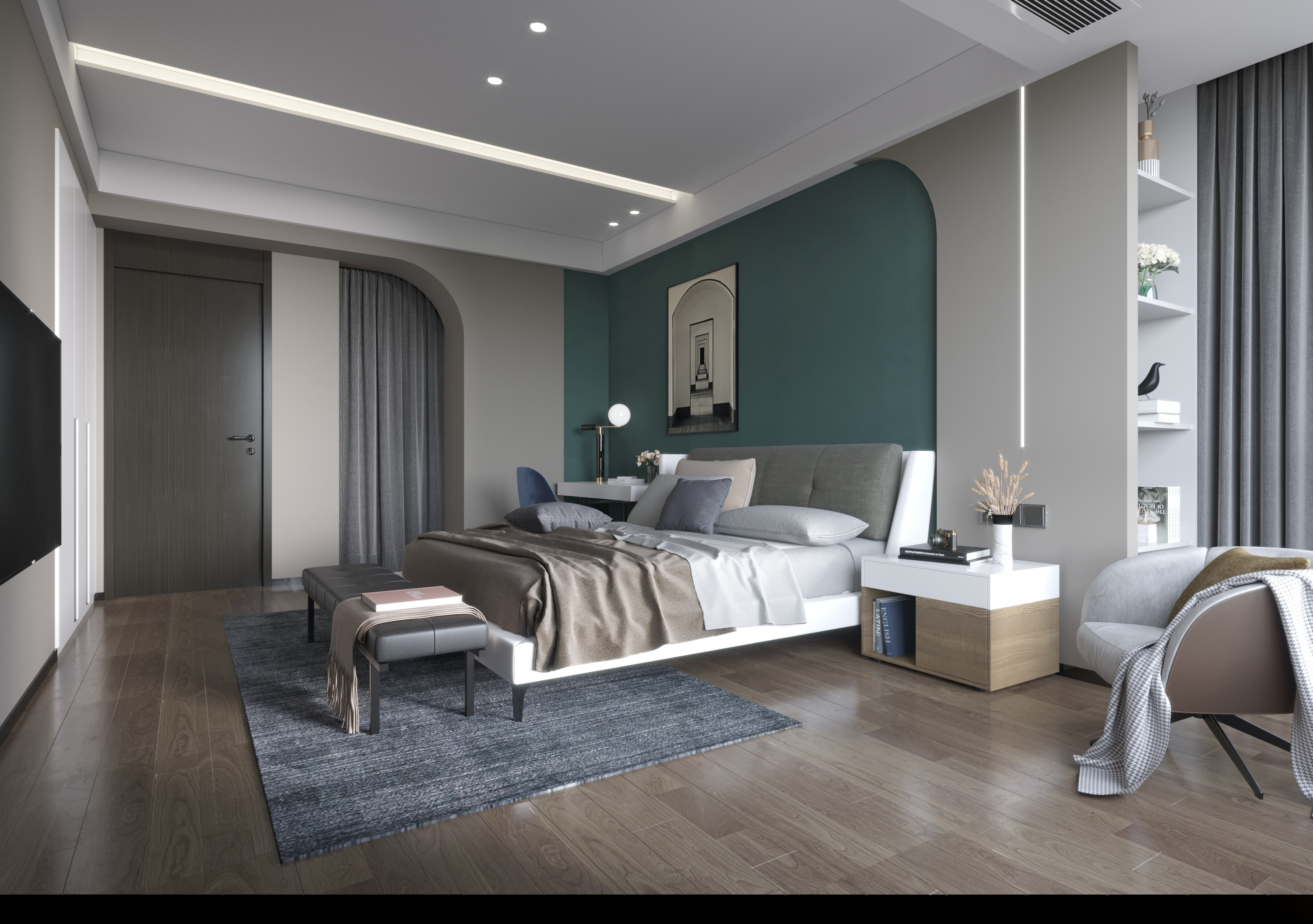
YAKCO in the 2026 national test, achieved a face screw holding capability of 1110 N (national standard ≥900 N). This data point answers the most practical question for leather grain boards in real‑world use: Will the warm touch of leather texture be “betrayed” by loose hardware?
More: yakco technology
1.What Is “Screw Holding Capability” and Why Is It Particularly Important for Leather Grain Boards?
Screw holding capability is simply the force required to pull a screw out of the panel. The higher the value, the more firmly the screw is “gripped” in the panel.
For hardware such as cabinet door hinges, drawer slides, and handle bases that endure repeated stress, screw holding capability directly determines “how long before they loosen.”
The edge screw‑holding of ordinary particleboard is typically a weak point – because the edge is the “side” of the substrate, where the fibre direction is perpendicular to the screw, resulting in naturally weaker holding power than on the face.
When hinges are installed on the edges of cabinet side panels, if the screw holding capability is insufficient, the screws begin to “wobble” after a few months, causing the door to sag and not close properly.
YAKCO achieved a face screw holding capability of 1110 N, exceeding the national standard by 23.3%.
This means that even with 50 door openings per day, 18,000 per year, the holding force of the screw holes remains above the loosening threshold. The warm touch of leather texture is not “betrayed” by loose hardware.
2.What Does 1110N Mean in Real‑World Spaces?
Translating 1110N from the laboratory into real‑world usage scenarios:
Hinge connections in whole‑house custom cabinetry– base cabinets and hanging cabinets open and close frequently every day. The long‑term stability of hinge screws depends on high screw holding capability. 1110N ensures that door panels do not sag or drop after years of use, and the leather texture remains intact.
Drawer slides in office furniture – leather grain texture is widely used on high‑end office desks and filing cabinets. The lever torque generated when pulling out a fully loaded drawer imposes high demands on screw holding capability. 1110N ensures the long‑term precision of the slides.
Cabinets in hotels and commercial spaces– cleaning staff wipe cabinet doors vigorously every day, and cleaning tools repeatedly push and pull. The fatigue stress on hardware connections far exceeds home‑use standards. The redundancy of 1110N provides a generous safety window.
3.Where Does Screw Holding Capability Come From? – The Substrate Is the “Trump Card”
Screw holding capability is not an indicator borne by the decorative layer alone. Its foundation lies in the substrate. YAKCO’s substrate has a stable density of 0.72 g/cm³and an internal bond of 0.37 MPa. These two data points together anchor the mechanical upper limit of 1110N.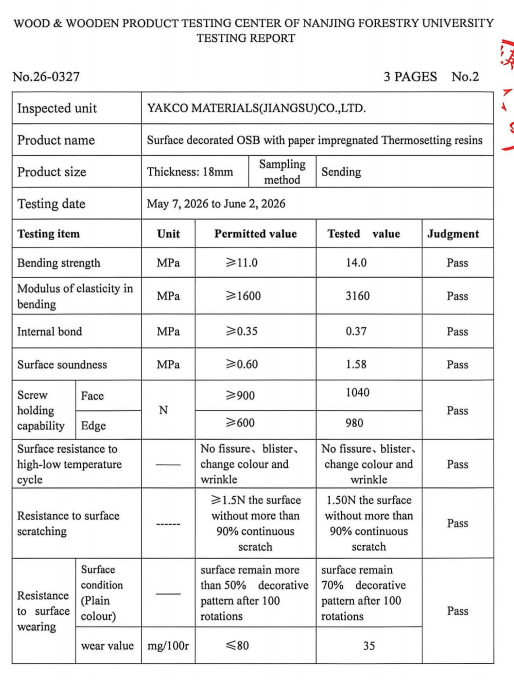
Density 0.72 g/cm³ – uniformly distributed, meaning that when a screw is driven in, the substrate bears the force evenly in all directions, without local looseness that would fail to “hold.”
Internal bond 0.37 MPa – the internal layers of the substrate are “held together tightly.” After the screw is driven in, the substrate does not “fall apart” internally due to local stress – which is the root cause of enlarged screw holes after repeated assembly and disassembly in low‑grade panels.
4.Conclusion: The Premium Feel of Leather Texture Is a Shared Language of Surface and Hardware
Designers choose leather grain boards for the visual and tactile “premium feel.”
But this premium feel cannot remain only on the surface – it needs to be “underpinned” by hardware. A cabinet door that closes without rattling, a drawer that slides without wobbling, a handle that remains secure for years – these details are the ultimate expression of premium feel.
YAKCO Leather Design Melamine Board uses the face screw holding capability of 1110 N to prove that the “premium feel” of leather texture has not only surface warmth but also hardware solidity.
The tactile warmth of leather is not “betrayed” by loose hardware, and the premium feel is not “consumed” by time.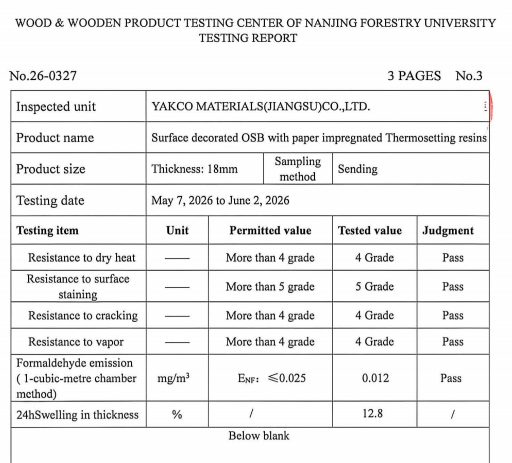
When a designer says, “I want the premium feel of leather texture,” YAKCO answers the unspoken question with data: “It has both surface warmth and hardware solidity.”