中文简体
中文简体





Previous Post
At the outfeed end of a short-cycle hot press, a freshly laminated panel is still hot enough that you can feel the radiation from three metres away. The steel press plate lifts, and the board moves onto a star cooler with a thin, glossy surface that was, sixty seconds earlier, nothing more than printed paper. That paper, and the heat and pressure that transformed it, is the entire story of how melamine board is made.
Melamine board is a composite panel: a wood-based core covered on one or both faces with decorative paper that has been impregnated with melamine resin and fused to the substrate under heat and pressure. The process is fast, highly controlled, and far more precise than most buyers realise. Understanding it matters, because nearly every property you rely on in a finished panel—flatness, moisture resistance, surface durability, edge quality, formaldehyde emissions, and even the depth of a three-dimensional texture—is decided in a specific step of this manufacturing sequence.
This article walks through that sequence in the order a factory actually runs it: the core substrate, the printed decorative layer, resin impregnation, lay-up, hot pressing, finishing, and quality control. Along the way, we look at the technical choices that separate ordinary boards from premium ones, including the deep 3D embossing that has become a defining feature of modern melamine-faced panels.
What "melamine board" actually means
Strictly speaking, melamine board is not made of melamine. Melamine is an organic compound that is reacted with formaldehyde to produce melamine resin, a thermosetting plastic. What you see on the surface of a melamine-faced board is that resin in its cured form, usually a very thin, translucent protective film fused to a printed décor paper.
A standard melamine board is built from three functional layers. The bottom layer is the core substrate, typically particleboard, medium-density fibreboard (MDF), high-moisture-resistant MDF, plywood, or a strand-based board. The middle layer is décor paper, a specially manufactured alpha-cellulose paper weighing roughly 60 to 120 grams per square metre, printed with a wood grain, stone texture, solid colour, or other design. The top layer is the melamine resin itself, which saturates the paper and forms a hard, glossy, or matte skin once cured. In many premium boards, a thin overlay paper saturated with additional resin is placed above the décor paper to increase abrasion resistance.
Because melamine resin is thermosetting, it cross-links permanently under heat and pressure. Once the press cycle ends, the surface cannot re-melt. That is why a melamine board tolerates hot coffee cups, damp cleaning cloths, and normal kitchen use far better than a thermoplastic film would. It is also why a scratched melamine surface cannot simply be sanded or heat-repaired; the damage is permanent, which is one reason surface quality at the factory matters so much.
In industry language, the same product is called melamine-faced chipboard, melamine-faced board, or thermally fused laminate board. The terms all refer to the same fundamental idea: a decorative paper skin, fused to a wood-based core by a short-cycle hot press, with melamine resin doing the bonding and protecting.
The core decides how the board performs
The substrate determines the finished panel's mechanical limits, moisture behaviour, weight, machining quality, and price. The surface makes a board look good; the core makes it last. When a furniture or interior project fails, the cause is usually the substrate, not the decorative paper.
Particleboard (chipboard)
Particleboard is made by mixing wood particles, sawdust, and adhesive, then pressing the mat under heat. It is the most common substrate for melamine boards because it offers the best balance of cost, flatness, and screw-holding capacity for cabinet carcasses and shelving. Its main weakness is the edge: the chip structure is visible and absorbs moisture quickly, so particleboard cores must be edge-banded, and they perform poorly in wet areas unless specifically treated.
MDF (medium-density fibreboard)
MDF is produced by breaking wood into fine fibres, blending them with resin, and forming a dense, uniform panel. The surface is smooth and free of voids, which makes it the preferred substrate for panels with deep embossing, painted finishes, or any application where edge quality matters. Screw holding is strong, and machined edges are clean enough to be routed and profiled without visible defects. For deep 3D melamine boards, MDF gives the press plate a uniform surface to work against, so the embossed texture does not telegraph through the substrate. YAKCO’s MDF melamine board substrate is an example of this approach, offering a stable base for decorative surfaces in furniture and interior wall panels.
 Custom MDF - Yakco Suppliers, Factory - YAKCO New Materials (Jiangsu) Co., Ltd.YAKCO New Materials (Jiangsu) Co., Ltd is China Custom MDF - Yakco suppliers and factory, details:View Product →
HMR MDF (high-moisture-resistant MDF)
High-moisture-resistant MDF is manufactured with hydrophobic additives, typically wax emulsions or specialised binders, that reduce water uptake. It is the substrate specified for kitchen fronts, bathroom vanities, and commercial interiors where humidity fluctuates. The improvement is measured mainly in thickness swelling: a standard MDF may swell several times more than an HMR board after water exposure, which is the principal cause of failed edges in wet environments.
Plywood
Plywood is built from cross-laminated veneers, giving it high strength and dimensional stability. Melamine-faced plywood is heavier and more expensive than faced particleboard, but it resists impact and moisture better, and it holds fasteners reliably at the edges. It is usually reserved for furniture that will be moved or disassembled repeatedly, and for joinery in humid climates.
LSB and strand-based boards
Laminated strand board uses oriented or randomly layered wood strands instead of fine fibres or particles. Strand-based boards offer good stability, low formaldehyde emissions when bonded with modern adhesives, and a surface that is smooth enough for light embossing. They have become popular in the furniture industry as a middle-ground core that performs well and can be produced with very low emission levels.
| Substrate | Structure | Typical density (kg/m³) | Moisture behaviour | Best suited for |
|---|---|---|---|---|
| Particleboard | Wood chips and adhesive pressed into a mat | 620–700 | Absorbs moisture at edges; requires sealing | Cabinet carcasses, shelving, interior furniture |
| MDF | Fine wood fibres bonded into a dense board | 680–800 | Moderate; swells if edges are left exposed | Deep embossing, machined profiles, high-quality surfaces |
| HMR MDF | MDF with hydrophobic additives | 700–800 | Low water uptake; high resistance to swelling | Kitchens, bathrooms, commercial wet areas |
| Plywood | Cross-laminated wood veneers | 550–700 | Good dimensional stability; low swelling | High-end furniture, frequent disassembly, humid regions |
| LSB | Layered or oriented wood strands | 600–720 | Good; better than particleboard, lower than plywood | Furniture needing low emissions and stable flatness |
The practical rule is simple: match the core to the environment and the machining demand. A dry bedroom wardrobe can use a good particleboard core. A kitchen cabinet near a sink should use HMR MDF. A 3D wall panel with deep texture needs MDF or a fine strand board to reproduce the press pattern accurately. Making the right call at this stage prevents most of the warranty claims that furniture manufacturers face later.
From printed paper to resin-impregnated sheet
The visible character of a melamine board is created before the board itself exists. Décor paper is printed in a separate facility, then impregnated with liquid melamine resin and dried to a carefully controlled residual moisture. This pre-treated sheet, called impregnated décor paper, is what arrives at the press line ready for lamination.
Printing the design
Décor paper starts as a base sheet of high-quality alpha-cellulose paper, chosen for its porosity, uniformity, and ability to absorb resin without becoming brittle. The design is applied by rotogravure printing, where engraved cylinders transfer inks onto the paper in precise repeats. A wood grain design may require several print stations, each adding a colour layer, to create the depth and contrast that make a printed surface look like natural oak, walnut, or stone.
For synchronised products, the printing step is planned together with the pressing step. The printed design is aligned so that a specific embossed relief, such as an oak grain or a rock cleft, will line up exactly with the visual pattern when the press plate is applied. This is what makes synchronised panels look startlingly natural; the texture is not a generic repeating pattern but a relief that follows the printed grain line by line.
Impregnation with melamine resin
Impregnation plants run continuously. The printed paper unwinds from a reel, passes through a bath of liquid melamine-formaldehyde resin, and picks up a controlled amount of resin, typically 50 to 65 percent of the paper's final weight. Metering rolls press out the excess so that the resin distribution is even across the width. The saturated sheet then travels through a long vertical oven, where hot air evaporates the water and solvents, leaving the resin partially cured. At this stage, called the B-stage, the sheet is dry to the touch, flexible enough to handle, and still capable of melting and cross-linking later in the press.
For high-use surfaces, a transparent overlay paper is laminated above the décor sheet in the same line. The overlay carries an even higher resin load and becomes the transparent wear layer that protects the printed design from scratches and abrasion. Boards without an adequate overlay will show visible dulling and fine scratches in commercial use within months, while a correctly built overlay keeps the surface serviceable for years.
Impregnation quality is one of the least visible but most consequential factors in the whole process. If the resin load is too low, the surface will be porous and prone to staining. If the drying is incomplete, the sheet can release gas bubbles during pressing and create white blisters. If the moisture content after drying is inconsistent, panels can bow, telegraph, or delaminate. A reputable supplier treats impregnation as a precision operation, because the press can only be as good as the paper that enters it.
How the board is actually pressed
The short-cycle hot press is where a stack of separate layers becomes one inseparable board. A conditioned substrate, one sheet of impregnated décor paper on the face, one matching sheet on the reverse side, and optional overlays are loaded between steel press plates; the press closes; heat and pressure cause the resin to melt, flow, and cure; and after less than a minute the panel leaves the press as a finished laminate.
Lay-up and the balance rule
Before pressing, every part of the sandwich must be balanced. Suppliers place décor paper on both faces of the substrate, even when one face will never be seen. This is not a waste; it prevents the panel from bowing. A board laminated on only one side responds to moisture changes asymmetrically and will cup toward the damp side. The paper on the reverse face does not need to match the front aesthetically, but it must have similar resin and moisture properties to keep the panel flat through changes in humidity.
The substrate itself is conditioned before pressing. Its moisture content is typically adjusted to 6 to 10 percent, depending on the core type, because a substrate that is too dry absorbs resin too quickly and produces a starved surface, while a substrate that is too wet releases steam during pressing and forms bubbles. This conditioning step is easy to overlook and hard to correct later, which is why large manufacturers maintain dedicated conditioning rooms or buy from substrate mills that guarantee a stable moisture content.
Temperature, pressure, and resin cure
Short-cycle presses run at temperatures between 180 and 220 degrees Celsius, with specific pressures between 20 and 35 kilograms per square centimetre, and cycle times ranging from 20 to 60 seconds depending on the panel thickness and the depth of the texture. Under these conditions, the melamine resin in the décor sheet softens and melts at roughly 120 to 150 degrees Celsius, flows into the micro-porosity of the substrate surface, and then cures by cross-linking into its final thermoset form. The bond that results is both chemical, from the resin's affinity to wood, and mechanical, from the resin penetrating the substrate's pores.
Pressure uniformity is critical. Steel press plates must be perfectly flat and parallel, with a tolerance measured in fractions of a millimetre across the full board width. Any high spot or low spot in the press becomes a visible gloss variation, a weak bond, or a delamination risk on the finished panel. This is one reason that companies offering deep 3D embossing, such as YAKCO with its synchronized oak 3D wood wall panel, invest heavily in high-precision presses and structured steel plates; uniform pressure is the foundation of a faithful texture.
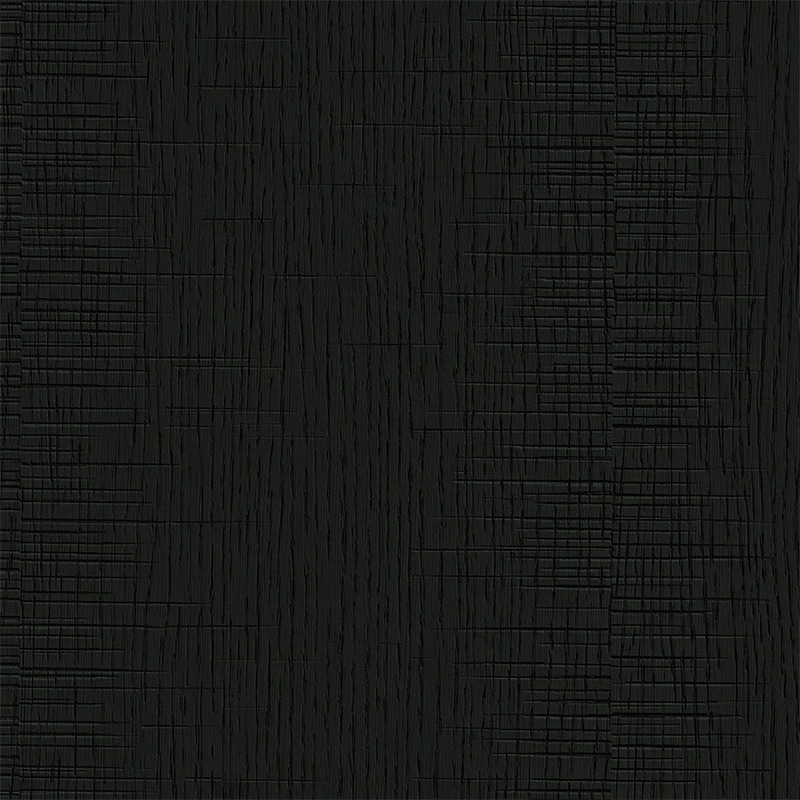 Custom TS01 Synchronized Oak with cutting texture - Natural Suppliers, Factory -YAKCO New Materials (Jiangsu) Co., Ltd is China Custom TS01 Synchronized Oak with cutting texture - Natural suppliers and factory, detail...View Product →
Deep 3D embossing
Deep 3D melamine boards are produced on the same short-cycle principle, but the press plate carries a relief texture that is pressed into the surface while the resin cures. The texture can be a natural wood grain, a leather grain, a rock cleft, or a geometric pattern. The substrate must be fine and dense enough to accept the relief without collapsing, which is why MDF and fine strand boards are the preferred cores for this category. The press parameters are adjusted for these products: pressure is often higher to push the texture deep, cycle time may be longer to allow the resin to flow into the relief without thinning, and the plate must be kept clean so that resin residues do not create defects in the patterned surface.
The result is a surface that does not just look like wood or stone but feels like it. Synchronised deep embossing is the technology behind the tactile wood grain, fabric, leather, and rock designs now common in premium interior wall panels and furniture fronts. The same process, run with different plates and paper designs, produces the broad range of 3D decorative panels that architects and furniture manufacturers use to add depth and grip to otherwise flat surfaces.
Cooling, trimming, and quality control
Manufacturing a melamine board does not end when the press opens. The panel is still hot, the resin is still curing to its final strength, and the edges are rough from the press cycle. Cooling, stacking, conditioning, and final inspection are what turn an acceptable board into one that can be confidently shipped to a furniture factory or a construction site.
Immediately after pressing, hot panels move to a star cooler, where they cool in a controlled sequence to prevent warping and internal stress. The boards are then stacked in batches and conditioned for at least 24 to 48 hours so that internal moisture and temperature can equalise. Trimming follows: the rough edges are cut to the exact finished width and length, and the panel is checked for squareness, surface defects, gloss uniformity, and the fidelity of the embossed texture.
Quality control in a serious melamine board plant includes physical testing, not just visual inspection. The internal bond strength test measures how well the substrate holds together; a low result means the board will chip at edges and lose screws. The 2-hour thickness swelling test measures how much the board expands after water exposure, and it is the clearest indicator of moisture resistance. Surface tests, including abrasion resistance and scratch resistance, determine how long the decorative layer will look acceptable in daily use. Formaldehyde emission tests are run according to agreed standards, and the results determine which emission class the board can claim.
| Property | Typical target value | Why it matters |
|---|---|---|
| Internal bond | 0.35–0.45 MPa or higher | Prevents edge chipping, screw pull-out, and delamination during machining |
| 2-hour thickness swelling | 8% or less for standard, below 5% for HMR | Shows how the edge will behave near moisture |
| Formaldehyde emission | E1 ≤0.124 mg/m³, E0 ≤0.050 mg/m³, ENF ≤0.025 mg/m³ | Determines indoor air quality suitability, especially for bedrooms and children’s spaces |
| Abrasion resistance | Depends on overlay and resin load | Predicts how the surface will age under daily contact |
Common defects caught at this stage include blisters caused by moisture in the substrate, visible resin spots or “fish eyes” from dirty press plates, telegraphing where the substrate surface shows through the décor paper, and edge delamination where the resin bond has failed. In a well-run plant, these defects are caught before shipping, and the panels are diverted or reprocessed. In a poorly run plant, they reach the customer and surface as complaints months later, which is why a buyer should always ask for the manufacturer’s test data before committing to a container order.
Manufacturing details that separate a premium panel
Three details separate a board that looks acceptable in a photograph from a board that performs reliably in a production line and keeps its appearance for a decade. These are the resin load and overlay, the integrity of the substrate, and the discipline of the press operation.
The resin load is where cost cutting is most tempting and most damaging. A board with low resin content feels rough, absorbs fingerprints and kitchen grease, dulls quickly, and can show white spots where the décor paper has not been fully saturated. A premium board carries enough resin to seal the paper completely and enough overlay to protect the printed design. When comparing quotations, the cheapest board is very often the one with the thinnest resin film, and the difference becomes visible in the first year of use.
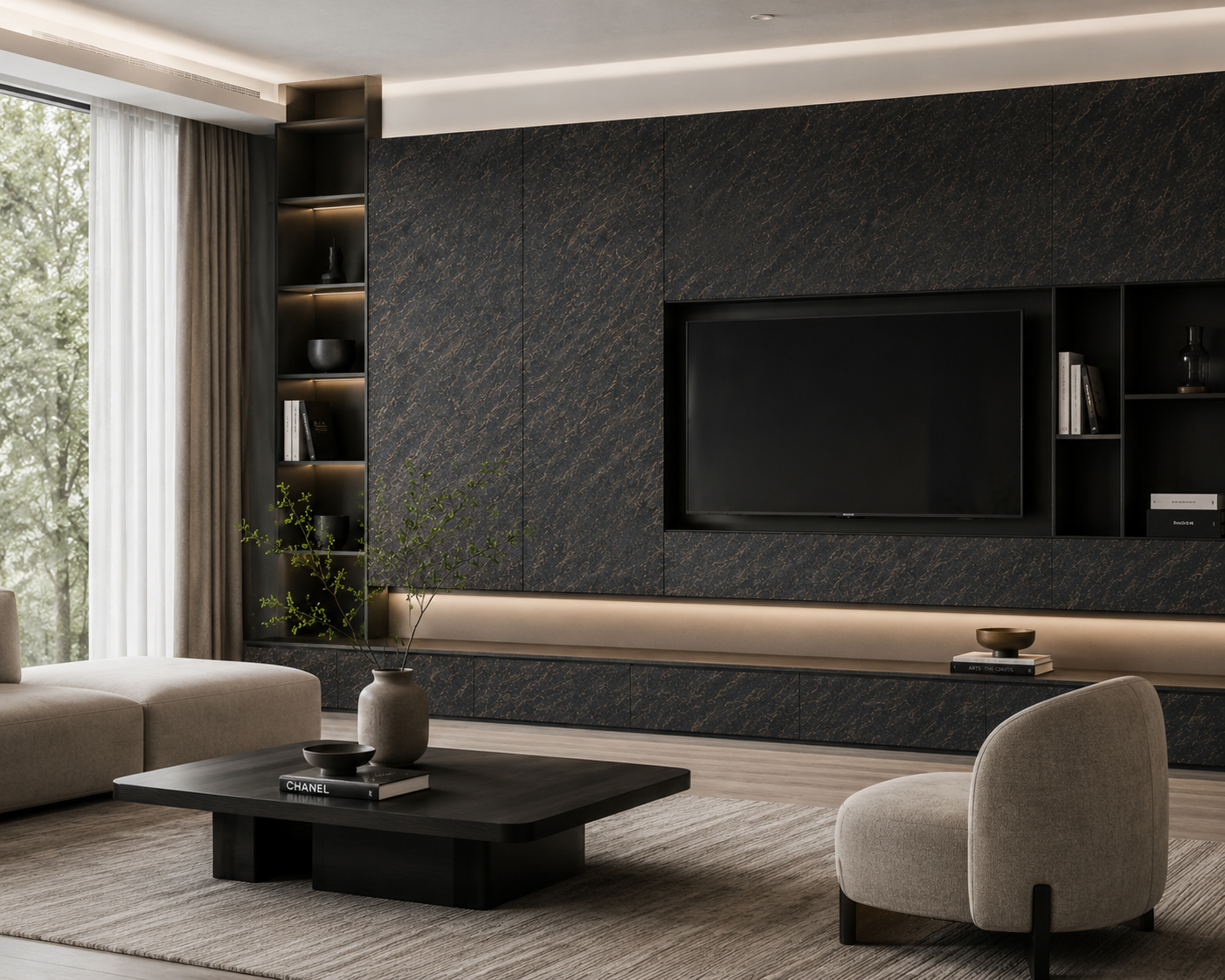
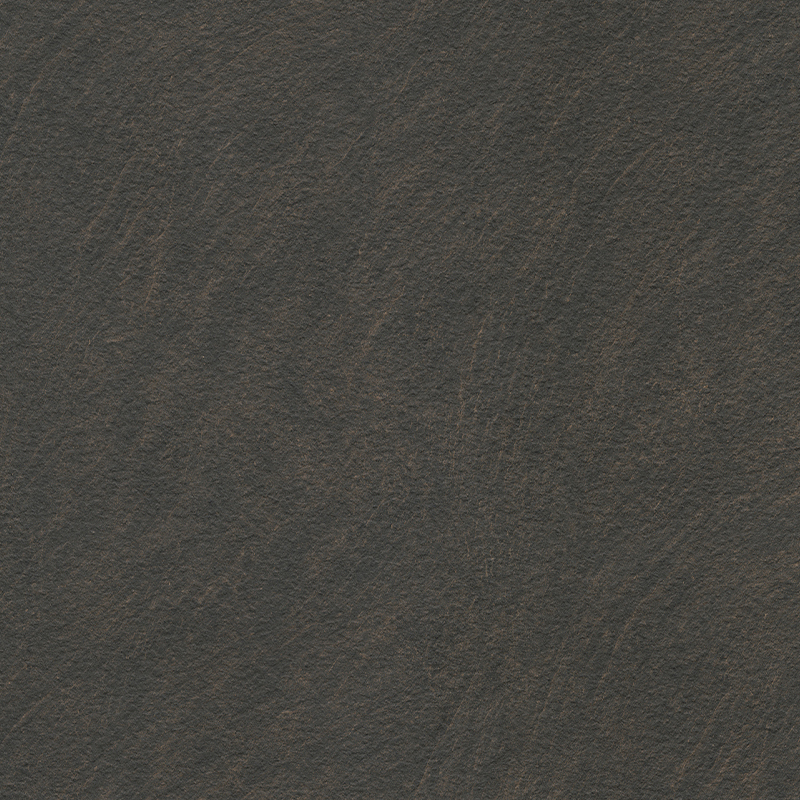
Substrate integrity is the second differentiator. A dense, well-bonded core holds screws firmly, machines cleanly, and resists moisture. A weak core, by contrast, can collapse slightly under deep 3D embossing, producing a texture that looks sharp at the plant but flattens or crumbles at the edges during transport and installation. Suppliers who control their substrate quality, through careful raw material selection and in-house testing, can press deeper textures and cut finished panels more reliably. This is why a manufacturer such as YAKCO, which offers a rock pattern 3D wall panel alongside standard flat boards, treats substrate specification as part of the decorative product itself rather than as a commodity input.
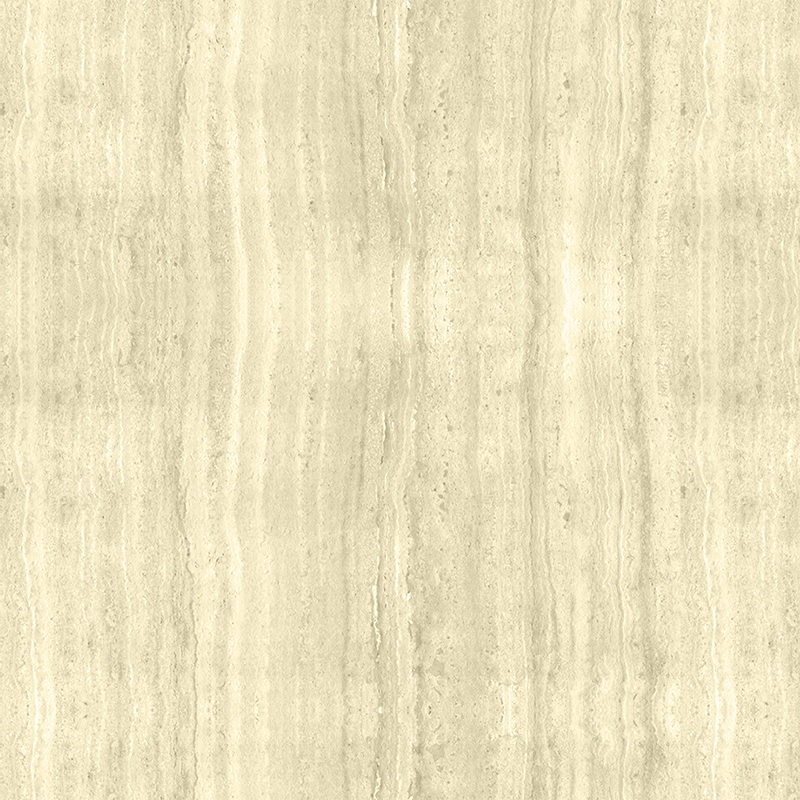 Custom SZ06 Stone Panel - Light Luxury Suppliers, Factory - YAKCO New Materials YAKCO New Materials (Jiangsu) Co., Ltd is China Custom SZ06 Stone Panel - Light Luxury suppliers and factory, details:What is SZ06 Stone ...View Product →
Finally, the press itself must be disciplined. Structured steel plates wear with use, and the deepest textures are the most sensitive to plate wear because every scratch in the plate becomes a permanent mark on every panel it presses. Cleanliness, temperature stability, and consistent cycle times are not optional. Low-emission production also depends on the same discipline: when substrates are bonded with MDI or other low-formaldehyde adhesives, as YAKCO describes in its production approach, the formaldehyde class of the finished board is determined partly by the adhesive in the core and partly by the control achieved during the melamine pressing step.
What to ask a supplier before you buy
Buying melamine board is a technical purchase, and the fastest way to avoid expensive mistakes is to ask precise questions about the manufacturing process. A supplier who can answer clearly, and offer test data, is usually a supplier who controls the process. A supplier who talks only about surface design and price is usually a trader rather than a manufacturer.
When you evaluate a melamine board supplier, start with the following points:
- What substrate is used, what is its density, and where is it produced?
- What is the finished panel thickness tolerance, and how is squareness controlled after trimming?
- Which formaldehyde emission class does the board meet, and can you provide a recent test report for the specific production batch?
- Is décor paper applied to both faces, and what is the resin load on the decorative sheet and the overlay?
- Does the factory operate short-cycle presses with structured steel plates for deep 3D embossing, and can it press synchronised textures where the relief matches the printed grain?
- What edge sealing do you recommend for the intended application, and what data do you have on 2-hour thickness swelling for wet areas?
- What physical test values (internal bond, abrasion, scratch resistance) are guaranteed for the product you are quoting?
If your application is wall panels for an interior renovation, or furniture production with routed edges, the answers to these questions matter even more than the visual design of the board. Our practical guidelines for choosing decorative panels go deeper into matching product grades to project requirements. If you want to see the manufacturing philosophy behind deep embossed melamine surfaces, the technology section describes the production approach that makes such textures possible.
Every melamine board you specify, regardless of brand, passes through the same essential sequence: a wood-based core is prepared, decorative paper is printed and impregnated with melamine resin, the layers are assembled in a balanced stack, and a short-cycle hot press fuses them together forever under heat and pressure. The rest is a matter of how carefully each step is executed.
For interior designers and furniture manufacturers, the practical lesson is this: look past the surface design and ask about the process. The depth of a 3D texture, the flatness of a large panel, the behaviour of an edge near a sink, and the formaldehyde class printed on the certificate are all decided by manufacturing choices that happened days before your order was pressed. Choose a supplier that understands those choices, and the board will perform exactly as the samples promised.