


 中文简体
中文简体






Previous Post
If you have ever driven a screw into a melamine-faced cabinet door and heard the sharp crack of the decorative skin splitting, you already know the material does not forgive guesswork. The conclusion is straightforward: fasten melamine board by protecting the brittle surface and matching the fastener to the core. Use pilot holes, control torque, keep fasteners away from unprotected edges, and choose joints that carry load through mechanical connectors or panel edges rather than through the melamine face. The rest of this guide explains why that works, where people go wrong, and what to specify when the board is part of furniture, cabinetry, or a wall panel system.
Why Melamine Board Behaves Differently Under a Screw
Melamine board is not a single material. It is a composite: a core of particleboard, MDF, plywood, or another engineered substrate, covered by a resin-impregnated decorative paper that is pressed and cured. The melamine surface is hard, thin, and relatively brittle. The core underneath is often porous and has lower density than solid wood. When a screw enters the face, it compresses the core, pushes the surface upward, and creates a stress ring around the hole. If the screw is too large, the pilot hole is missing, or the installer over-tightens, that stress ring becomes a crack. If the screw is too small, it strips the core and spins.
The edge of the panel is a different story. In particleboard and MDF, the edge is denser and can hold a screw better than the face, but it is also more likely to blow out if the fastener is close to the corner. For that reason, many production shops treat face fastening as a secondary operation and rely on confirmat screws, cam locks, or dowels for structural joints. Understanding this difference is the first step in choosing a reliable fastening method.
Pilot Holes: The Single Most Important Step
A pilot hole is not optional. It removes core material so the screw cuts threads instead of wedging the panel apart. For particleboard, the pilot diameter should be roughly 80 to 90 percent of the screw's root diameter. For MDF, which is denser and more uniform, use 90 to 95 percent. As a practical example, a 3.5 mm coarse-thread screw usually needs a 2.5 mm pilot in particleboard and a 2.8 to 3.0 mm pilot in MDF. If you are working with a 4 mm confirmat screw, follow the manufacturer's recommendation, which is often a 5 mm pilot for the shank and a smaller pilot for the thread.
Drill depth matters too. The pilot should be slightly deeper than the threaded portion of the screw, but not so deep that it breaks through the back face. Use a depth stop or a piece of tape on the drill bit. Clamp a sacrificial board behind the panel when drilling through holes, especially near edges. Keep fasteners at least 25 to 30 mm from an unprotected edge in particleboard, and 50 mm from the end of a panel if the screw is in the face. These distances are not arbitrary; they reflect how stress spreads through the core.
Screw Types and When to Use Them
Not all screws are made for engineered boards. The thread pitch, head type, and shank design change how the fastener interacts with the core. The table below compares common options for melamine-faced panels.
| Fastener | Best substrate | Advantage | Risk |
|---|---|---|---|
| Coarse-thread screw | Particleboard, MFC | Good grip in low-density core | Can strip if over-tightened |
| Fine-thread screw | MDF, HMR MDF | Less disruption in dense core | Needs accurate pilot hole |
| Confirmat screw | Particleboard, MDF edges | Strong panel-to-panel joint | Large visible head unless capped |
| Pocket-hole screw | MDF, particleboard | Hidden joint from one side | Weak in thin panels; needs clamping |
| Cam lock / Minifix | All engineered cores | Reversible, flat-pack friendly | Requires precise boring |
For face fastening, choose a screw with a sharp point and a small head, such as a washer-head or pan-head screw. Avoid flat-head screws that require countersinking into the melamine surface. Countersinking cuts through the decorative layer and creates a visible ring that can lift. If a flush finish is required, use a countersink with a stop collar and seal the hole with a color-matched cap or edge banding.
Joinery Methods Beyond Screws
Screws are convenient, but they are rarely the best way to fasten melamine board when the joint will carry weight or be adjusted. Mechanical connectors such as cam locks, Minifix fittings, and confirmat screws are designed for engineered panels. They spread load over a larger area and can be tightened without crushing the core. Dowels and biscuits also work, but they need accurate alignment and a glue that bonds to the melamine surface. Standard PVA glue does not adhere well to melamine; the surface must be abraded, or a specialty adhesive such as a polyurethane or contact adhesive should be used.
For a deeper look at how core selection affects joint performance, see this substrate selection guide. It explains why a denser core can hold a screw better but may also chip more easily at the edge. The practical rule is simple: use screws for light duty and alignment, and use mechanical connectors or dowels for structure.
Substrate Choice Changes the Fastening Rules
The core determines how the board will behave when you drive a fastener. Standard MDF has a uniform, dense structure that machines cleanly and holds fine-thread screws well, but it is heavy and can swell if exposed to moisture. HMR MDF, or high moisture resistance MDF, uses a modified resin that slows water uptake, making it a better choice for kitchen and bathroom cabinetry where humidity fluctuates. Particleboard is lighter and less expensive, but its screw-holding capacity is lower and its edges are more prone to crumbling.
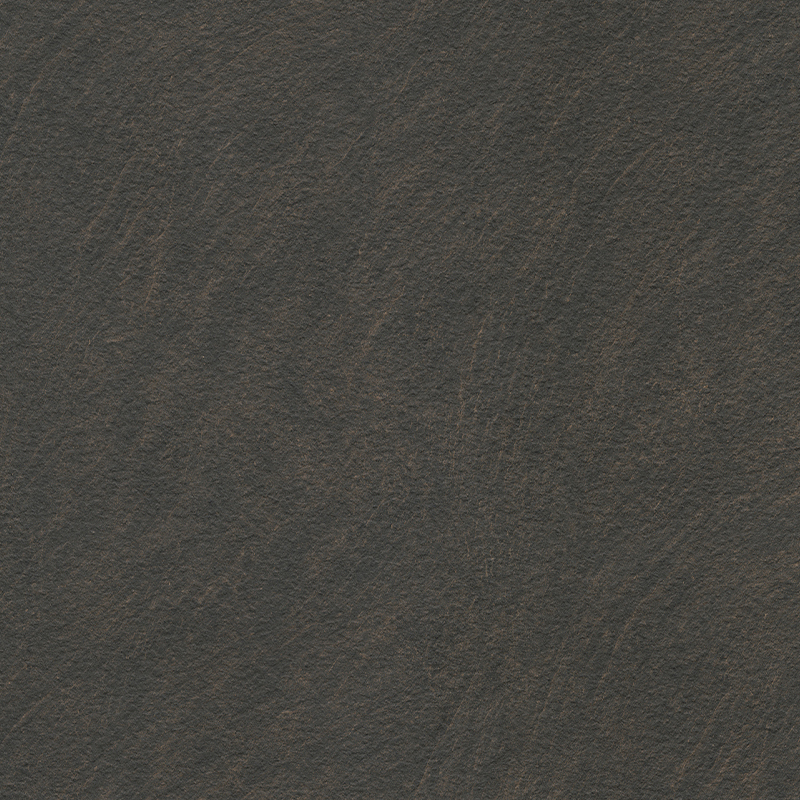 MDF - Yakco Melamine Board Substrate in SilverListed under Melamine Board Substrate in Silver, this MDF product appears alongside guidance on core choice, fastener holding, and moisture behavior.View Product →
When the panel is specified for a wet area, HMR MDF is often the more reliable core. It still needs pilot holes and sealed edges, but it resists the swelling that can loosen a fastener over time.
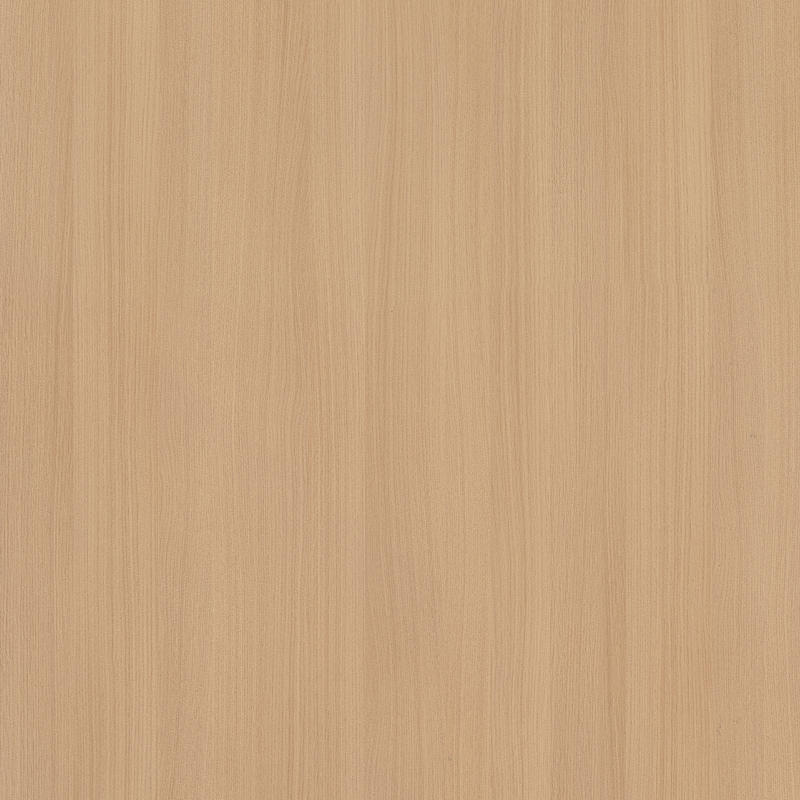 HMR MDF - Yakco/Lekco Melamine Board Substrate in SilverMoisture-resistant MDF option in Silver under Melamine Board Substrate, positioned between wet-area core advice and fire-performance considerations for panel selection.View Product →
For commercial interiors, fire performance may be the deciding factor. Fireproof board cores are formulated to meet flame-spread requirements while still accepting decorative melamine surfaces. They are typically denser and may require a slightly different pilot hole than standard MDF, so always test on an offcut.
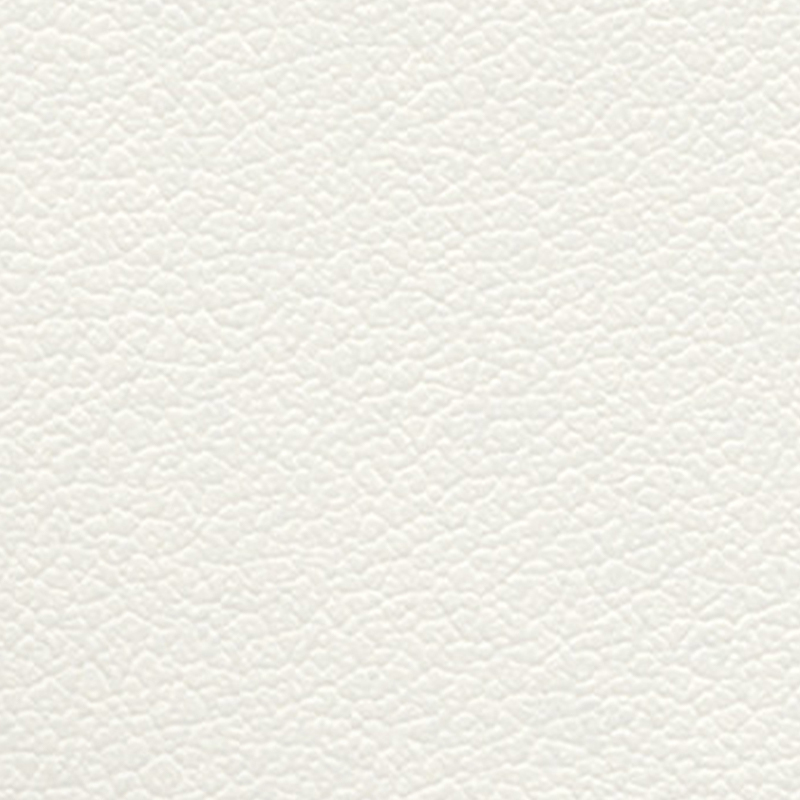 Fireproof Board - Lekco Melamine Board Substrate in SilverFireproof board product in Silver under Melamine Board Substrate, placed where flame-spread requirements and alternative plywood or LSB cores are discussed.View Product →
Plywood and LSB cores offer another option. Plywood has excellent screw-holding because its cross-laminated veneers resist pull-out, but it can telegraph grain through thin melamine faces. LSB, or laminated strand lumber, is more uniform than particleboard and holds fasteners well, though it is heavier. Matching the core to the environment is as important as choosing the screw.
Fastening Melamine Wall Panels
Wall panels present a different challenge because the decorative face is often visible and the panel may be thin. Do not drive screws directly through the front of a finished 3D or textured panel unless the design calls for exposed fixings. Instead, use concealed clips, Z-clips, or a French cleat system attached to the back. Adhesive can supplement the mechanical fix, but it should not be the only method. Construction adhesive alone may fail if the substrate is dusty, if the panel is heavy, or if the wall moves.
For large panels, combine a bead of flexible adhesive with mechanical fasteners at the top and bottom. Leave a small gap between panels for expansion. If the panel has a deep embossed texture, the back face may be uneven; use shims or a mounting rail to keep the panel flat. The same principle applies to furniture: fasten from the inside or the back whenever possible, and keep the visible melamine surface untouched. Advanced pressing and surface technologies are discussed in the technology section, but the installation rule remains low-tech: control the stress, and the panel will stay intact.
Common Mistakes and How to Avoid Them
- Driving a screw without a pilot hole. This is the fastest way to crack the melamine face or strip the core.
- Over-tightening. Stop when the screw head just contacts the surface. Impact drivers should be avoided on melamine unless they have a clutch and a low torque setting.
- Placing screws too close to an edge. Keep at least 25 to 30 mm from unprotected edges in particleboard, and more in MDF if the panel is thin.
- Using a countersink bit that cuts through the melamine. Use a stop collar, or choose a screw with a low-profile head that does not require deep countersinking.
- Ignoring moisture. In kitchens and bathrooms, seal cut edges and use HMR MDF or another moisture-resistant core.
- Relying on glue alone. Melamine is a poor bonding surface unless it is abraded or treated with a specialty adhesive.
One more mistake is mixing fastener types without testing. A screw that works in 18 mm particleboard may strip in 12 mm MDF because there is less material to engage. Always test on a scrap piece from the same batch.
A Practical Fastening Checklist
- Identify the core: particleboard, MDF, HMR MDF, plywood, LSB, or fireproof board.
- Choose a fastener designed for that core, such as coarse-thread for particleboard and fine-thread for MDF.
- Select a pilot drill that matches the screw root diameter and the core density.
- Mark and drill pilot holes with a depth stop. Clamp a backer board if breakthrough is possible.
- Keep fasteners 25 to 30 mm from edges and 50 mm from panel ends where possible.
- Tighten by hand or with a clutch driver set to low torque. Stop as soon as the head seats.
- For structural joints, use confirmat screws, cam locks, dowels, or biscuits instead of face screws.
- Seal cut edges and exposed cores with edge banding or sealant, especially in wet areas.
- For wall panels, fasten from the back with clips or rails, and use adhesive only as a supplement.
Fastening melamine board is not about force. It is about controlling where the stress goes. Give the screw a pilot hole, keep it away from vulnerable edges, and let mechanical connectors do the structural work. Done that way, the decorative surface stays clean, the core holds, and the joint lasts.





