中文简体
中文简体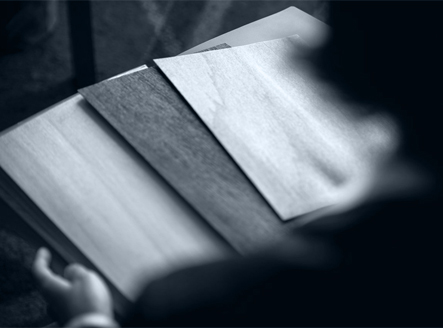






Previous Post
The demand for materials that balance aesthetic appeal with functional durability has never been higher. Among the most versatile solutions available to manufacturers and designers today is the Melamine Board. Often referred to as the backbone of the contemporary furniture industry, this material has revolutionized how we conceive residential and commercial spaces. Whether you are a professional architect or a furniture manufacturer, this Ultimate guide to melamine board types for furniture will provide the technical depth necessary to navigate the complexities of board selection, environmental standards, and long-term maintenance.
Defining the Modern Melamine Board: More Than Just a Surface
To understand the value of a Melamine Board, one must first look beneath its decorative exterior. At its core, this product is a composite material that integrates chemistry, wood science, and advanced manufacturing.
The Role of Resin-Impregnated Paper
The "melamine" in the name refers to melamine resin, a thermosetting plastic known for its incredible hardness and thermal stability. In the production process, Resin-impregnated paper is created by soaking decorative paper in a liquid melamine-formaldehyde resin. Once dried, this paper becomes the protective and decorative skin of the board. Unlike traditional paints or thin foils, this resin-rich layer becomes an integral part of the panel, offering superior Heat and moisture resistance that protects the inner wood fibers from environmental degradation.
The Science of High-Pressure Thermal Bonding
The transformation from raw components to a finished Furniture Board occurs through High-pressure thermal bonding. The Resin-impregnated paper is placed onto a wood-based substrate and subjected to intense heat and pressure in a large-scale hydraulic press. During this cycle, the resin liquefies and flows into the pores of the wood substrate, creating a permanent molecular bond. This process ensures that the surface will never peel or delaminate, a common failure point in lower-quality laminated products. The result is a selection of Laminated Panels that are as structurally sound as they are visually striking.
Advanced Substrate Selection: The Key to Project Success
One of the most frequent questions in the industry is regarding Substrate selection. The performance of your final product is heavily dictated by what is inside the board. While the surface might look identical, the core material determines the weight, strength, and machining capabilities of the panel.
Melamine Faced MDF: The Precision Choice
When high-detail machining or intricate routing is required, Melamine Faced MDF (Medium Density Fiberboard) is the undisputed leader. MDF is composed of refined wood fibers combined with wax and a resin binder, formed into panels under high temperature and pressure.
There are several Advantages of melamine faced MDF for interior design. Because the core is composed of fine fibers rather than wood chips, the edges are incredibly smooth when cut. This makes it the ideal candidate for painted edges or specialized profiling. Furthermore, MDF has a very consistent density throughout the board, which minimizes warping in large-scale wall panels or tall wardrobe doors. If your project involves curved components or decorative CNC routing, choosing an MDF substrate is essential.
Melamine Faced Chipboard / MFC: Efficiency and Stability
For the majority of structural furniture components, Melamine Faced Chipboard / MFC (also known as Melamine Faced Particle Board) is the industry standard. This substrate is made from wood chips, sawmill shavings, and sawdust, which are bonded together with synthetic resin.
The primary benefit of MFC is its Structural stability. The multi-layered construction, with larger chips in the center and finer chips on the surface, provides excellent resistance to sagging over long spans. This makes it the preferred choice for shelving and cabinet carcasses. When comparing Melamine particle board vs plywood for kitchen cabinets, MFC often wins on price and surface uniformity, though plywood may be chosen for its superior moisture resistance in extreme flooding scenarios. For standard kitchen environments, a moisture-resistant grade of MFC is typically more than sufficient.
Substrate Comparison for Engineers and Designers
|
Feature |
Melamine Faced MDF |
Melamine Faced Chipboard (MFC) |
Melamine Plywood |
|---|---|---|---|
|
Core Material |
Refined Wood Fibers |
Compressed Wood Chips |
Cross-Laminated Veneers |
|
Surface Smoothness |
Extremely High |
High |
Moderate |
|
Edge Machining |
Perfect for Routing |
Requires Edge Banding |
Visible Layering |
|
Screw-Holding Power |
Good |
Moderate |
Excellent |
|
Cost Efficiency |
Moderate |
Very High |
Premium |
|
Primary Use |
High-end Furniture, Doors |
Cabinetry, Office Desks |
Heavy-duty Shelving |
Aesthetic Versatility: Custom Colors and Textures
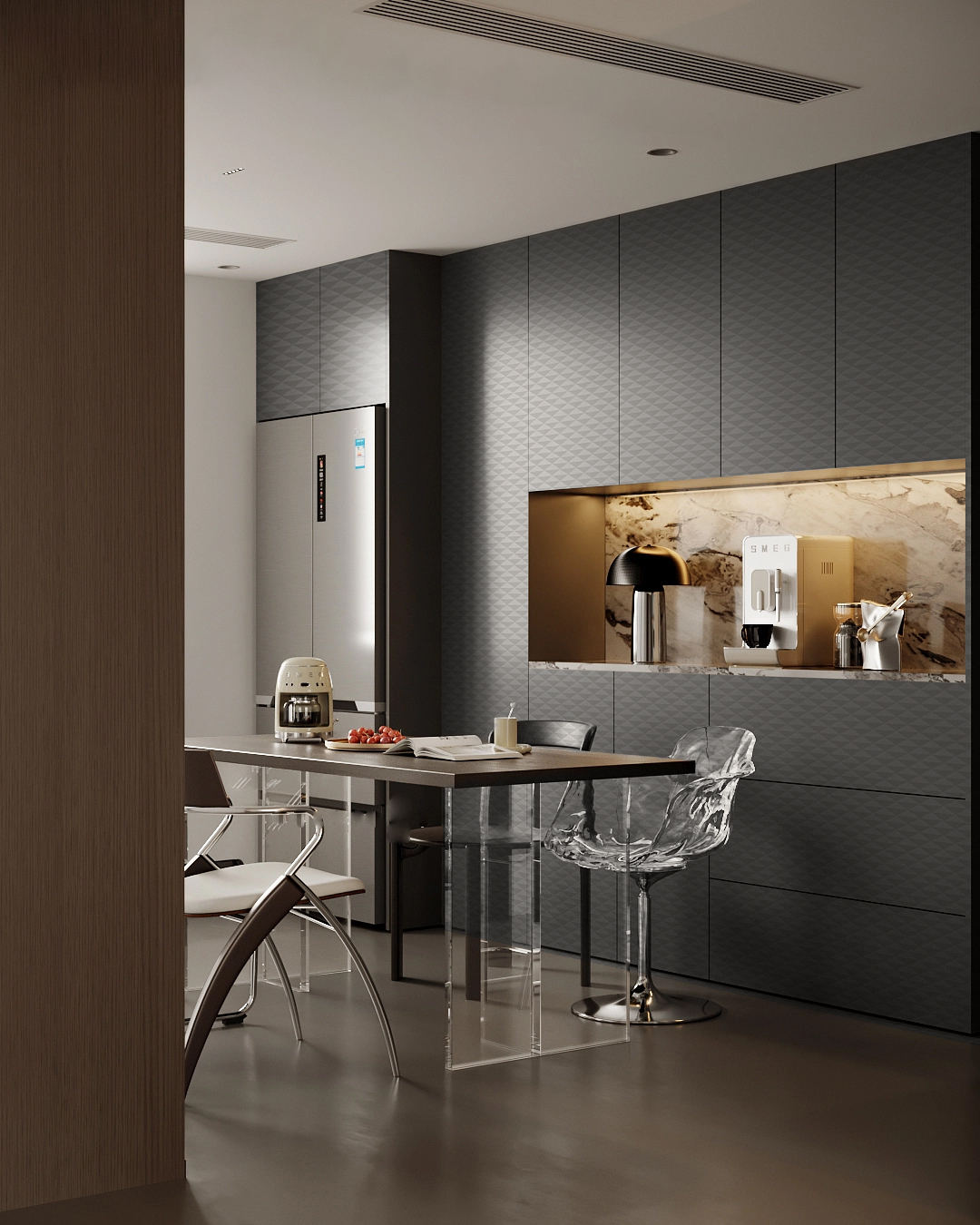
In today's market, the "look" of a board is just as important as its performance. Modern printing technology has allowed for the creation of Custom colors and textures for melamine panels that are indistinguishable from natural materials to the naked eye.
Surface Textures and Visual Depth
The texture of a Decorative Laminated Board is determined by the stainless steel press plates used during the bonding process. These plates can emboss a variety of Surface textures onto the resin layer:
-
Matte and Super-Matte: Provides a sophisticated, non-reflective finish that hides fingerprints, ideal for modern office furniture.
-
Wood Grain (Synchronized): The texture perfectly aligns with the printed wood grain pattern, providing the tactile feel of real timber.
-
Stone and Concrete: Mimics the cool, rugged feel of industrial materials without the weight and fragility of real stone.
The Role of Light and Color in Commercial Spaces
In commercial environments, the color consistency of Laminated Panels is a major advantage. Unlike natural wood, which varies in shade from tree to tree, melamine ensures that every desk in a large office floor looks identical. This uniformity is crucial for maintaining brand identity and professional aesthetics in retail and corporate settings.
Performance Metrics: Durability in Demanding Environments
The reason the Melamine Board has remained popular for decades is its ability to withstand the rigors of daily use. It is widely considered the Best scratch-resistant melamine boards for commercial use due to the inherent properties of the melamine resin.
Resistance to Scratches, Heat, and Chemicals
The surface of a high-quality Furniture Board is non-porous. This means it does not absorb spills, making it highly resistant to staining from coffee, wine, or common household chemicals. In terms of heat resistance, melamine can withstand contact with hot objects (up to a certain degree) far better than vinyl-wrapped or painted surfaces. This durability ensures that the furniture maintains its "new" look for years, even in high-traffic areas like hotel lobbies or public libraries.
Structural Integrity and Screw-Holding Power
While the substrate choice affects the overall strength, the lamination process itself adds a degree of structural reinforcement to the board. The cured resin layers act as a tensioned skin, increasing the board's resistance to bending. When designing heavy-duty storage, understanding the screw-holding power of the chosen substrate is vital to ensure that hinges and drawer slides remain securely attached over thousands of cycles.
Environmental Responsibility and Global Standards
As consumers become more eco-conscious, the demand for sustainable building materials has surged. Eco-friendly melamine board suppliers in the international market are now prioritizing low-emission products that meet stringent global criteria.
Understanding the E0/E1 Formaldehyde Standard
Formaldehyde is a key component in the resins used to bond wood fibers and chips. However, excessive off-gassing can affect indoor air quality. To combat this, the industry follows the E0/E1 formaldehyde standard:
-
E1 Grade: The standard requirement for indoor furniture in most developed nations, ensuring safe emission levels.
-
E0 Grade: A premium, ultra-low emission standard that is increasingly requested for hospitals, schools, and children's bedrooms.
-
CARB P2: The California Air Resources Board standard, which is one of the strictest in the world and is often required for products exported to the North American market.
Sustainability and Circular Economy
Many Melamine Board products are inherently sustainable because they utilize wood by-products like sawdust and shavings that would otherwise be discarded. By turning these "waste" materials into high-value Laminated Panels, the industry contributes to a circular economy. Furthermore, many manufacturers now source their wood from FSC (Forest Stewardship Council) certified forests, ensuring that the raw materials are harvested responsibly.
Industrial Applications and Technical Integration
The application of melamine technology extends far beyond simple wardrobes. Its technical properties allow it to be integrated into complex engineering projects.
Kitchen and Laboratory Cabinetry
In environments where hygiene is paramount, the non-porous surface of a Decorative Laminated Board is a significant benefit. Bacteria and mold cannot find a foothold on the sealed melamine surface, and the board can be easily disinfected without damaging the finish. This makes it an ideal material for laboratory workstations and hospital cabinetry.
Office and Educational Environments
The acoustic properties of thick Laminated Panels also make them useful for wall cladding in schools and offices. They provide a degree of sound dampening while offering a durable surface that can withstand the bumps and scrapes of a busy educational environment.
Unexpected Analogies: The Industrial Flow Meter Connection
While it may seem unrelated, the precision required in the manufacturing of wood panels mirrors the precision found in other heavy industries. For instance, in the chemical plants where the resins for melamine are produced, the flow of raw chemicals must be monitored with extreme accuracy using an Industrial Flow Meter. Just as a Melromagnetic Flow Meter or an Ultrasonic Flow Meter ensures the correct dosing of liquids in a refinery, the calibrated pressure and temperature sensors in a wood-pressing line ensure the structural integrity of every board. The reliability of an Industrial Flow Meter in the chemical supply chain is what ultimately allows for the consistent quality of the Resin-impregnated paper used in your furniture.
Comparative Analysis: Melamine vs. HPL and Natural Veneer
To make an informed decision, one must understand how melamine stacks up against its competitors.
Melamine vs. HPL (High-Pressure Laminate)
HPL is often confused with melamine, but they are produced differently. HPL consists of multiple layers of kraft paper pressed into a thick sheet, which is then glued to a substrate. While HPL is even more impact-resistant and is used for heavy-duty countertops, the Melamine Board is more cost-effective and easier to process for vertical surfaces like cabinet doors and side panels.
Melamine vs. Natural Wood Veneer
Natural veneer offers the unique beauty of real wood but requires significant maintenance and is susceptible to fading in sunlight. Melamine, on the other hand, offers a similar aesthetic with much higher UV stability and no need for periodic oiling or varnishing. For commercial projects where budget and durability are the primary drivers, melamine is almost always the superior choice.
Technical Performance Matrix
|
Material |
Scratch Resistance |
Moisture Resistance |
Color Consistency |
Maintenance Level |
Price Point |
|---|---|---|---|---|---|
|
Melamine Board |
High |
Moderate/High |
Perfect |
Very Low |
Budget-Friendly |
|
HPL |
Very High |
High |
Perfect |
Low |
Moderate |
|
Natural Veneer |
Low |
Low |
Variable |
High |
Premium |
|
Solid Wood |
Moderate |
Low |
High Variation |
Very High |
Luxury |
Maintenance and Longevity: Protecting Your Investment
One of the most attractive features of this material is how easy it is to keep it looking pristine. Understanding How to clean and maintain melamine furniture surfaces will significantly extend the life of the product.
Daily Cleaning Protocols
For routine maintenance, a soft, damp cloth is usually all that is required. Because the surface is non-porous, dirt stays on the top and can be wiped away easily. For slightly tougher stains, a mild solution of dish soap and warm water is effective. It is crucial to avoid abrasive cleaners, scouring pads, or steel wool, as these can create microscopic scratches that dull the finish over time.
Preventing Moisture Damage at the Edges
The most vulnerable part of any Laminated Panels is the edge. While the surface is waterproof, the core substrate can swell if water seeps into the seams. Ensuring high-quality edge banding (using PUR or EVA glue) is the best defense. Always wipe up standing water near joints or edges immediately to prevent "blown" edges.
Long-term Care Tips
Avoid placing furniture in direct contact with high-heat sources like space heaters, as the constant thermal expansion and contraction can stress the bond between the paper and the substrate. In areas of high sunlight, although melamine is UV resistant, it is still wise to use blinds or curtains to prevent any potential long-term color shifting over decades of exposure.
Global Supply Chain and Sourcing
As the world becomes more interconnected, sourcing the right materials involves navigating a global network. Finding reliable Eco-friendly melamine board suppliers in the international market requires due diligence regarding certifications and quality control.
Quality Assurance in Manufacturing
When sourcing from international manufacturers, look for those who utilize automated grading systems. These systems use cameras and sensors to detect surface defects, thickness variations, and core voids in real-time. This level of automation ensures that every crate of Furniture Board you receive meets your specific engineering tolerances.
Logistics and Packaging
Because Laminated Panels are heavy and sensitive to edge damage during transit, specialized packaging is required. High-quality suppliers use corner protectors, heavy-duty pallets, and moisture-proof plastic wrapping to ensure the product arrives in perfect condition, whether it is traveling by truck or ocean freight.
The Future of Melamine Technology
The Melamine Board has come a long way from its early days as a basic utility material. Today, through the combination of advanced Substrate selection, high-fidelity printing, and environmentally responsible manufacturing, it has become a premium choice for designers worldwide.
By mastering the technical aspects—from the chemistry of Resin-impregnated paper to the nuances of the E0/E1 formaldehyde standard—you can create spaces that are beautiful, safe, and built to last. Whether you are building a modern kitchen using Melamine particle board vs plywood, or designing a high-end office with Melamine faced MDF, you are participating in a global tradition of engineering excellence.
As we look forward, the integration of smart technologies and even more sustainable resins will continue to push the boundaries of what this humble board can achieve. The next time you touch a sleek, wood-textured desk or open a durable kitchen cabinet, remember the complex science and industrial precision—including the vital role of the Industrial Flow Meter in the background—that made that moment possible.
Master Checklist for Melamine Board Selection:
-
Identify the Environment: Is it high-moisture (Kitchen/Bath) or high-traffic (Office)? This dictates if you need a moisture-resistant core.
-
Select the Correct Substrate: Choose Melamine Faced MDF for detail work and MFC for structural stability and cost efficiency.
-
Verify Environmental Certifications: Always request documentation for E0/E1 formaldehyde standard compliance to ensure occupant safety.
-
Inspect the Surface Finish: Match the Surface textures and color to the lighting conditions of the final space.
-
Review Edge Banding Quality: Ensure the edge finish is seamless to protect the substrate from moisture ingress.
-
Check Supplier Reliability: Work with Eco-friendly melamine board suppliers in the international market who offer consistent quality and transparent sourcing.