中文简体
中文简体





Previous Post
You just spent an afternoon squaring the layout lines on a fresh sheet of melamine board. Then the saw reaches the end of the cut, and a 10-millimeter section of the decorative surface peels away from the particleboard core. The piece you planned to use for a visible cabinet side is now a candidate for the scrap pile.
The clean edge is not a matter of luck. It comes from a sharp blade with many teeth, a scored and taped cut line, and a panel that is fully supported while the saw passes. If you follow the sequence below—choose the right blade, prep the panel, and adjust the blade height—you can cut melamine without chipping, even with a standard circular saw.
Why Melamine Board Chips
Melamine faced board is a layered product. A substrate of particleboard, MDF, LSB, or plywood is covered by a decorative paper that has been soaked in melamine resin and fused to the surface under heat and pressure. That resin overlay gives the board its scratch resistance, but it is not stretchy or forgiving. When a tooth strikes it from the underside, the resin shell can shatter before the tooth is able to slice through it. The result is a white chip on the edge.
The type of substrate matters. A coarse particleboard core leaves a jagged edge behind the overlay because the chips of wood tear away. An MDF core is denser and cuts cleaner, which is why fabricators who want predictable edges often choose an MDF-based melamine panel. If you are new to the material, you may want to read this guide to melamine board composition to understand the differences before buying a full sheet.
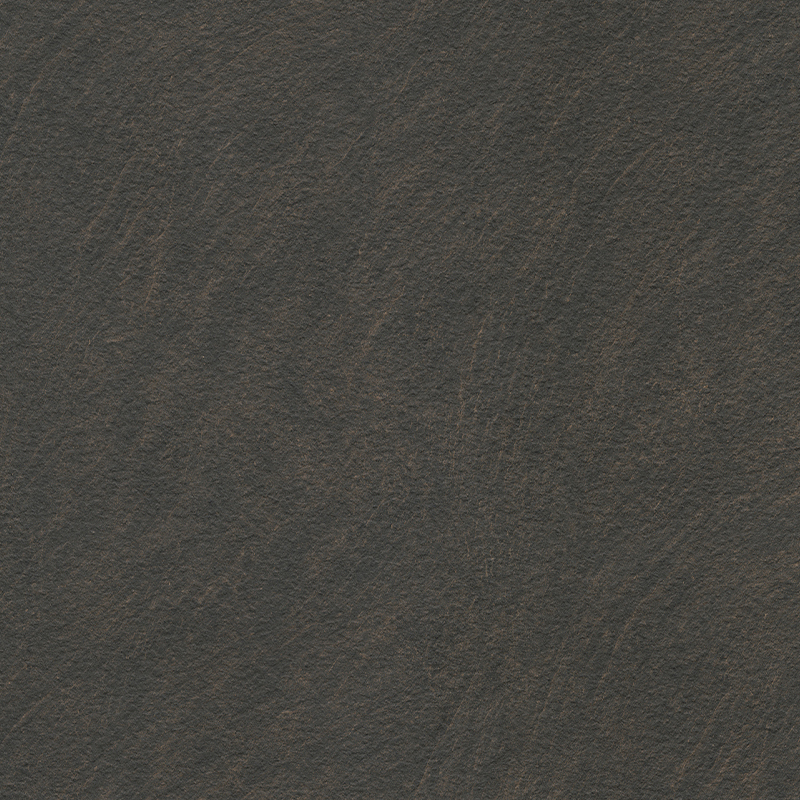 Custom MDF - Yakco Suppliers, Factory - YAKCO New Materials (Jiangsu) Co., Ltd.YAKCO New Materials (Jiangsu) Co., Ltd is China Custom MDF - Yakco suppliers and factory, details:View Product →
Start with the Right Blade
Blade selection is around 80 percent of the battle. A standard framing blade with 24 teeth will tear the resin surface even if the panel is perfectly supported. Use a carbide-tipped blade with at least 80 teeth for a 10-inch saw, or a dedicated laminate and plastic cutting blade. Many shops prefer a triple-chip grind with a negative hook angle. Negative hook slows the attack of each tooth, so it scrapes rather than cuts into the surface, which greatly reduces chipping. High tooth count also matters: it reduces the amount of material removed per tooth, so the surface is less likely to fracture.
| Blade type | Tooth count | Best use |
|---|---|---|
| 10-inch melamine or laminate blade | 80-100 teeth | Cross-cutting sheet goods on a table saw |
| 10-inch circular saw blade | 60-80 teeth | Handheld saw with a guide rail |
| Plywood blade with alternate top bevel | 60-80 teeth | Budget-friendly option for panel cuts |
| Triple-chip grind blade | 60-80 teeth | Double-faced or textured melamine panels |
Whatever blade you choose, it must be sharp. A dull blade is the single fastest way to produce chipping. If the blade has been used on pine, hardboard, or OSB all day, it is no longer a clean-cutting blade.
Prepare the Panel Before You Cut
Most chipping in a home workshop comes from ignoring the surface before the saw touches it. Simple preparation prevents most of the damage.
- Clean and flatten the work surface. Support the full length and width with a sheet of plywood or foam insulation. Sag creates pinch points and vibrations, both of which cause chips.
- Mark the cut line with a pencil, then apply a strip of painter’s tape along the line. Press it down firmly with your thumb.
- Score the line through the tape with a utility knife. A deep score severs the resin skin, turning the saw’s job into a simple widening of the cut. This is the closest a DIYer can get to a scoring saw.
- When using a circular saw, put the decorative face down and cut from the reverse side. For a table saw, place the decorative face up and cut from below.
Cutting Techniques by Tool
Circular saw or track saw
Set the blade depth so it extends only about 3-4 mm beyond the underside of the board. Too much blade exposure pulls the surface upward as the teeth exit. Start the saw before it touches the panel, let the blade reach full speed, and advance with a steady, moderate feed. If you stop mid-cut, the blade dwell will soften and tear the resin. For long cuts, clamp a straightedge or use a track rail. A track saw with a splinter guard doubles as scoring protection, but you still need the tape if you want a glass-smooth edge.
Table saw
Install a zero-clearance throat plate to keep the bottom fibers from blowing out. Set the blade height to just 6-8 mm above the table. Feed the panel at a steady speed, with the good face up. Use a featherboard to hold the stock against the fence and prevent drift. If you are cutting large sheets, set up an outfeed stand at the same height as the saw table; when the offcut drops to the floor, it pulls the panel off the blade and creates a chip at the end.
Jigsaw
A jigsaw produces the least clean edge of all the options, but it can work for thin panels. Use a blade with at least 10 TPI and reverse teeth if you want the good side up. Standard up-cut blades should be used with the good side down. Turn the orbital action to zero or straight to keep the blade moving in one plane. Tape the cut line and keep the saw moving slowly; do not force it. Jigsaw edges often need a router pass or edge banding.
Cleaning Up the Edge and Repairing Small Chips
When you are cutting melamine for hidden structural parts, a slight chip may not matter. For visible edges, the best approach is to avoid touching the face after the cut. If a small flaw appears, you can fill it with a coloring crayon or wood filler, but the repair will never match the factory surface. A router with a laminate trimming bit and a ball-bearing guide will clean up a cut edge if you leave about 1 mm of extra material and trim it off after the panel is sized. Edge banding is the only foolproof solution for a full-length damaged edge.
Do not sand the melamine face. The decorative overlay is only a few tenths of a millimeter thick; abrasion will leave a pale gray patch and expose the paper. If you need to ease an edge, use 180-grit sandpaper only on the cut edge, not on the face.
Safety and Dust Control
- Wear safety glasses and hearing protection. Circular saws and table saws are loud.
- Use a dust mask or connect a shop vacuum for dust extraction. Melamine dust is fine and can irritate the throat.
- Use push sticks on the table saw. Never reach over a spinning blade.
- Support panels so they do not pinch the blade and kick back.
- Remove rings and long sleeves, and keep the power cable clear of the cut.
Cutting Textured Melamine Panels
Deep embossed panels, such as 3D wood grain or leather texture melamine boards, have an additional challenge. The texture peaks act as stress concentration points; a standard high-tooth blade can still miss a deep valley and shear the surface. On panels like our synchronized oak melamine panel, the press texture is aligned with the printed grain, and the thin resin film over each ridge is more likely to fracture. The same tape-and-score method is essential, and a triple-chip blade is mandatory. We describe the production method on our technology overview page, but the short version is that a very stable substrate and a controlled pressing step allow the surface to hold more detail—and that detail requires a careful cut.
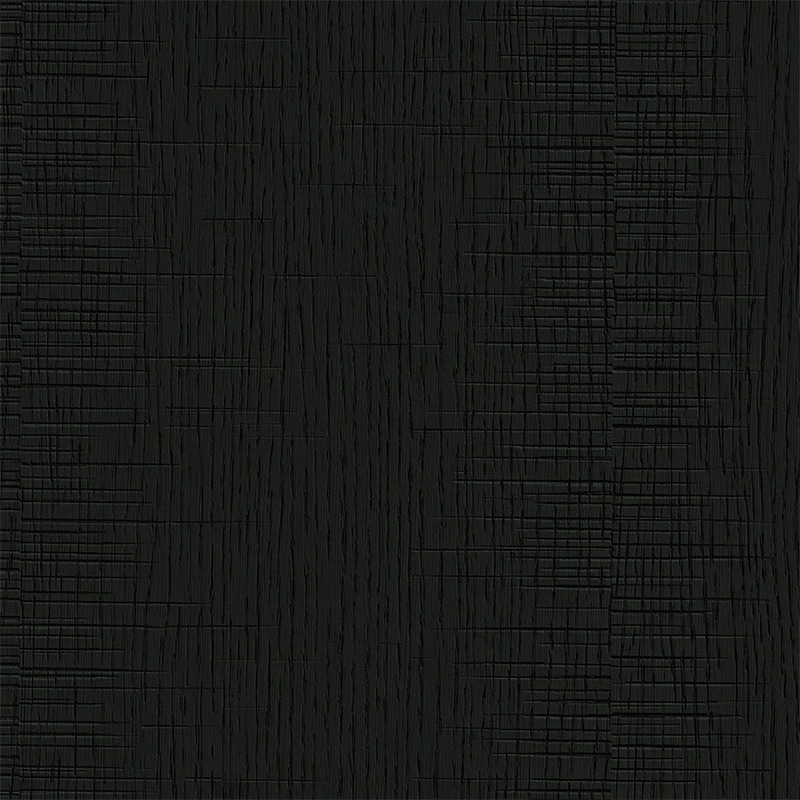 Custom TS01 Synchronized Oak with cutting texture - Natural Suppliers, Factory -YAKCO New Materials (Jiangsu) Co., Ltd is China Custom TS01 Synchronized Oak with cutting texture - Natural suppliers and factory, detail...View Product →
Melamine board does not need to be difficult. Start with a blade made for sheet goods, prepare the cut line with tape and a knife, support the panel completely, and set the blade as low as practical. For a circular saw, put the good face down; on a table saw, keep it up. For any decorative panel—especially textured ones—take a few extra seconds to set up, because the edge is the first thing a client or customer sees.
If a project now feels more manageable, pick a panel with a substrate that behaves well, set up your cut station, and make a test cut on a scrap piece. That test will tell you immediately whether your blade and technique are ready.