


 中文简体
中文简体






Previous Post
You spend an afternoon installing a set of melamine-faced kitchen cabinets, only to notice that every cupboard door carries a constellation of fingerprints. Or perhaps your dining table has a faint ring from a forgotten glass, and your decorative 3D wall panel has collected a thin film of kitchen grease. The question is no longer “should I clean it?” but “how do I clean melamine board without dulling the surface?” The direct answer is straightforward: start with a soft microfiber cloth, lukewarm water, and a few drops of dish detergent. That combination handles the vast majority of everyday dirt. For stubborn marks, a baking soda paste, a diluted vinegar solution, or isopropyl alcohol can work depending on the stain. What you should never do is reach for abrasive pads, scouring powders, or strong solvent cleaners, because those will damage the melamine layer faster than any stain will.
Understanding Melamine Board Surfaces Before You Clean
Melamine board is not solid melamine plastic. It is an engineered wood panel, usually a substrate such as medium-density fiberboard (MDF), particleboard, or LSB, covered with a decorative paper that has been impregnated with melamine resin and fused to the substrate under heat and pressure. The result is a hard, smooth, stain-resistant surface that can mimic wood grain, stone, fabric, leather, or many other contemporary decorative languages. YAKCO New Materials, for example, uses this same process to create 3D wall panels with deep embossing, synchronized wood grain, and tactile fabric textures.
Understanding this construction explains why the cleaning method matters. The top layer is a thermoset resin, meaning it is already fully cured. It does not soften with heat, which makes it quite resilient. However, it is not a monolithic slab; the surface can be scratched by coarse abrasion, and the edges are often just the cut substrate with a thin melamine facing. If water seeps into those edges, the substrate can swell, the face can delaminate, and the board may be permanently ruined. Therefore, the core principle of cleaning melamine board is remarkably simple: keep the surface wet enough to dissolve dirt, but never let standing water or saturated cloths stay in contact with the board for more than a few seconds.
Different finishes also change the cleaning experience. Smooth glossy surfaces show smudges easily but are the easiest to wipe clean. Matte and textured surfaces hide fingerprints but can trap dust and grease in their micro-valleys. Deep-embossed 3D panels, which have become a distinctive category in the decorative panel market, require a bit more attention because their tactile texture creates shadowed crevices where grime likes to collect. If you have invested in a decorative surface made with deep-embossing technology, you need a cleaning routine that respects those contours rather than fighting them.
Before You Start: Tools and Preparation
Having the right tools is half the battle. Unlike cleaning a solid surface countertop, melamine board does not tolerate harsh scrubbing. A few inexpensive, soft tools will cover almost every cleaning scenario you are likely to encounter in a home or office.
| Tool | Best For | Caution |
|---|---|---|
| Microfiber cloth | Daily dusting, wiping after cleaning, polishing | Use a clean, lint-free cloth; avoid cloths with rough seams or embedded debris |
| Non-scratch sponge | General grime, food spills, dried-on residue | Check the label for “non-abrasive”; never use scouring pads or kitchen scrubbers |
| Soft-bristled brush | Textured and 3D embossed surfaces, grooves, relief details | Use gentle pressure and small circular movements; nylon or natural bristle brushes are best |
| Cotton swabs | Crevices, corners, edges, and deep embossed patterns | Useful for precision cleaning around hardware or detailed surface textures |
| Dish detergent | Everyday cleaning, grease cutting | Use only a few drops; excessive foam can leave a film that attracts more dirt |
| White vinegar | Grease film, mild water spots, sticky residue | Always dilute with water; do not let vinegar sit on edges or bare substrate |
| Baking soda | Stubborn stains such as coffee, tea, juice, and dye transfer | Mix into a paste; use very light pressure to avoid micro-scratches |
| Isopropyl alcohol | Ink, marker, printer ink, and some dye stains | Dab onto a cloth or cotton swab first; never pour directly onto the board |
Before using any cleaner on a visible area, test it in an inconspicuous spot. This is especially important for textured or matte finishes, because some ingredients can change the sheen or leave a slight residue. Wait a few minutes, then inspect the spot under soft lighting. If the surface still looks identical to the surrounding area, the cleaner is safe to use.
The Daily Cleaning Routine for Melamine Board
Daily care does not need to be elaborate. In fact, maintaining melamine board is easier than most people expect. The goal is to remove dust, oil, and fingerprints before they have a chance to bond to the surface. Here is the sequence I recommend after decades of working with decorative panels and advising customers in the furniture and interior design industry.
- Dust first. Use a dry microfiber cloth or a soft duster to remove loose particles. This prevents tiny dust grains from scratching the surface when you wipe it with a damp cloth.
- Mix your cleaning solution. Add two or three drops of dish detergent to a bowl of lukewarm water. Warm water dissolves oils better than cold water, but it should not be hot enough to loosen the adhesive along edges.
- Wipe with a barely damp cloth. Dip the microfiber cloth into the solution, wring it thoroughly, and wipe the surface in overlapping passes. The cloth should feel damp, not wet. If you see water beading on the board, you are using too much moisture.
- Rinse the cloth and repeat. After removing the dirt, rinse the cloth with clean water, wring it again, and go over the surface one more time to remove any detergent residue.
- Dry immediately. Use a fresh dry microfiber cloth to buff the surface. This prevents water spots and keeps the sheen consistent, especially on dark colors and matte finishes.
This routine is enough for most everyday situations: fingerprints on cabinet doors, dust on wall panels, and light grime around handles. If you have textured panels or deep-embossed designs, add one extra step: after the initial damp wipe, use a soft-bristled brush to sweep any remaining particles out of the grooves. Then wipe again with a dry cloth to pick up what the brush loosened.
For large vertical surfaces, such as a 3D wall panel, work from top to bottom. That way, any drips fall onto already-cleaned areas and can be removed in the same pass. Do not use spray bottles directly on textured panels, because overspray can collect in recesses and leave streaks. Instead, spray the cleaner onto your cloth and then wipe.
Removing Common Stains and Marks
Even with consistent daily care, accidents happen. A cup of coffee is tipped over, a child uses a marker near the wardrobe, or a hot pan leaves a greasy residue on the kitchen island. Each type of stain responds to a slightly different approach. The table below summarizes the most effective home treatments, followed by detailed instructions for each category.
| Stain Type | Recommended Cleaner | How to Apply | Important Notes |
|---|---|---|---|
| Fingerprints, general grime | Dish detergent and warm water | Wipe with a damp microfiber cloth, then dry | Routine daily cleaning; do not scrub aggressively |
| Grease and cooking oil | Diluted white vinegar or dish detergent | Apply with a soft cloth, let sit 30 seconds, wipe, rinse | Vinegar should be diluted 1:3 with water; avoid contact with raw edges |
| Sticky residue, adhesive film | Diluted vinegar or isopropyl alcohol | Dab onto the residue, gently lift with a soft cloth | Work slowly; do not pick at the surface with fingernails |
| Coffee, tea, wine, juice | Baking soda paste | Apply paste, let sit for 5 minutes, wipe with a damp cloth | Use three parts baking soda to one part water; rinse thoroughly |
| Food coloring, ketchup, mustard | Baking soda paste or dish detergent paste | Gently massage into the stain, rinse, dry | Do not rub too hard; the paste is slightly abrasive |
| Marker, pen, printer ink | Isopropyl alcohol (70% or higher) | Dab onto a cotton swab, blot the stain, lift, rinse | Do not pour alcohol directly onto the board |
| Dye transfer from clothing or plastic | Baking soda paste or isopropyl alcohol | Apply, wait, then wipe; repeat if needed | Test in an inconspicuous area first |
Grease and Cooking Oil
Kitchen environments are the most demanding for melamine board. Oil splashes from cooking quickly create a sticky film that collects dust and dulls the shine. For light grease, a few drops of dish detergent in warm water is enough. For an older, more stubborn layer, mix one part white vinegar with three parts water. Dampen a microfiber cloth with this solution, wipe the greasy area, then go over it with a cloth dipped in plain water and wringed dry. Finish by buffing with a dry cloth.
Be cautious with vinegar. It is a mild acid, and while it is generally safe on cured melamine resin, prolonged contact can dull some finishes or soften the adhesive along a damaged edge. Never pour vinegar directly onto the board; always apply it with a cloth.
Coffee, Tea, Wine, and Juice Stains
Tannins and natural pigments in these beverages can leave yellow-brown or purple marks, especially on light-colored melamine. A baking soda paste is the most reliable home remedy. Mix three parts baking soda with one part water to form a thick paste. Apply the paste to the stain with a soft cloth or cotton swab. Leave it for five minutes so the mild alkalinity can lift the pigment. Then gently wipe the paste away with a damp cloth, rinse the area with a clean damp cloth, and dry it thoroughly.
If the stain remains, make a paste with baking soda and a drop of dish detergent instead of water. The detergent helps break down any oily component that may have sealed the pigment into the surface. Again, rinse and dry completely.
Marker, Pen, and Printer Ink
Ink is one of the few stains that requires a solvent. Isopropyl alcohol works well on water-based and most permanent markers. Dip a cotton swab or the corner of a soft cloth into the alcohol, then gently dab the stained area. Do not rub, because that can spread the ink deeper into microscopic scratches. As the pigment transfers to the cloth, move to a clean section of the cloth so you are not redepositing the stain. When the ink is gone, wipe the area with a damp cloth and dry it immediately.
If you do not have isopropyl alcohol, hand sanitizer with a high alcohol content can work in a pinch, but it often contains emollients that may leave a residue on the surface. Test any substitute on an inconspicuous area first.
Dye Transfer From Clothing or Other Materials
Dye transfer usually appears as a ghostly blue or red patch after a damp jacket or a dyed fabric has been in contact with the board for a long time. This type of stain can be surprisingly stubborn. Start with a baking soda paste, applying it gently and letting it sit for ten minutes. If that does not work, use a cotton swab dipped in isopropyl alcohol and blot the affected area. Rinse and dry between attempts. Dye transfer that has fully penetrated the resin may be impossible to remove completely; in that case, you may need to consult the panel manufacturer about refinishing options.
Dealing With Scratches, Yellowing, and Wear
Not all surface damage is a cleaning problem. Scratches, yellowing, and chipped edges eventually appear on heavily used melamine board. Knowing what can and cannot be reversed prevents you from making the situation worse.
Fine hairline scratches on glossy surfaces are often just abrasion marks in a thin film of grime or wax. Before assuming the finish is damaged, clean the panel thoroughly and then rub a small amount of melamine-safe furniture polish onto the surface. If the scratches are actually in the resin layer, a light buffing compound designed for acrylic or gelcoat can reduce their visibility on smooth surfaces. Use it sparingly and never on textured panels, because the compound will fill the texture and make it look patchy.
Yellowing is usually caused by one of three things: prolonged ultraviolet exposure, nicotine from cigarette smoke, or heat damage from a nearby appliance. UV-related yellowing is irreversible because it happens inside the resin. Nicotine stains, by contrast, may sit on the surface as a sticky residue. A weak solution of warm water and dish detergent, followed by a wipe with diluted vinegar, can remove the residue and restore a much cleaner appearance. If the board is near a window, consider repositioning or adding a UV-filtering film to slow further yellowing. Heat-induced yellowing, such as a dark mark left by a hot pot, is generally permanent; the safest response is to replace the panel.
Edges and corners deserve special attention. If you notice a slightly lifted edge where the melamine is peeling away from the substrate, dry it immediately and keep it dry. Do not push water into the gap while cleaning. A thin line of clear silicone adhesive can reseal a small area, but if the substrate has already swollen from moisture, the repair will only be cosmetic. At that point, replacing the panel is the more reliable option.
How the Substrate Affects Cleaning and Care
Melamine board is a family of products, not a single material. The visible surface is the same family of resin, but the core substrate determines how much moisture the board can tolerate, how heavy it is, and how resilient the edges are. When you are cleaning a piece of melamine board, it is worth knowing what is underneath the decorative layer. The table below compares the most common substrate types used in furniture and wall panels.
| Substrate | Moisture Sensitivity | Cleaning Adjustment | Typical Applications |
|---|---|---|---|
| Standard MDF | High; edges swell rapidly when wet | Use minimal water; dry edges immediately; avoid steam cleaners | Interior furniture, cabinetry, decorative panels |
| HMR MDF (high moisture resistant) | Low; engineered with water-resistant resins | Can tolerate slightly more moisture, but still dry surfaces promptly | Kitchens, bathrooms, humid environments |
| Particleboard / chipboard | Very high; vulnerable at cut edges and inside screws | Keep all spills wiped immediately; inspect edges regularly | Budget furniture, shelving, desk surfaces |
| LSB (oriented strand board core) | Moderate; better than standard particleboard but not fully waterproof | Same as MDF, but avoid prolonged contact with standing water | Structural panels, high-strength furniture, wall panels |
| Plywood | Low to moderate depending on veneer grade | Wipe dry; being a layered panel, edges can still swell if exposed | High-end cabinetry, furniture applications |
| Fireproof board / HPL laminate core | Very low; the compact laminate construction resists moisture | Can be cleaned like a solid laminate; still avoid harsh abrasives | Commercial spaces, fire-resistant wall covering |
For example, a standard MDF core is perfectly fine in a bedroom wardrobe, but you should be extra careful with water around the bottom edges if it sits on a concrete floor. An HMR MDF core, such as the high-moisture-resistant panels offered under YAKCO’s diamond-3d-wall-panel range, gives you more freedom in kitchens and bathrooms, where humidity and condensation are part of daily life.
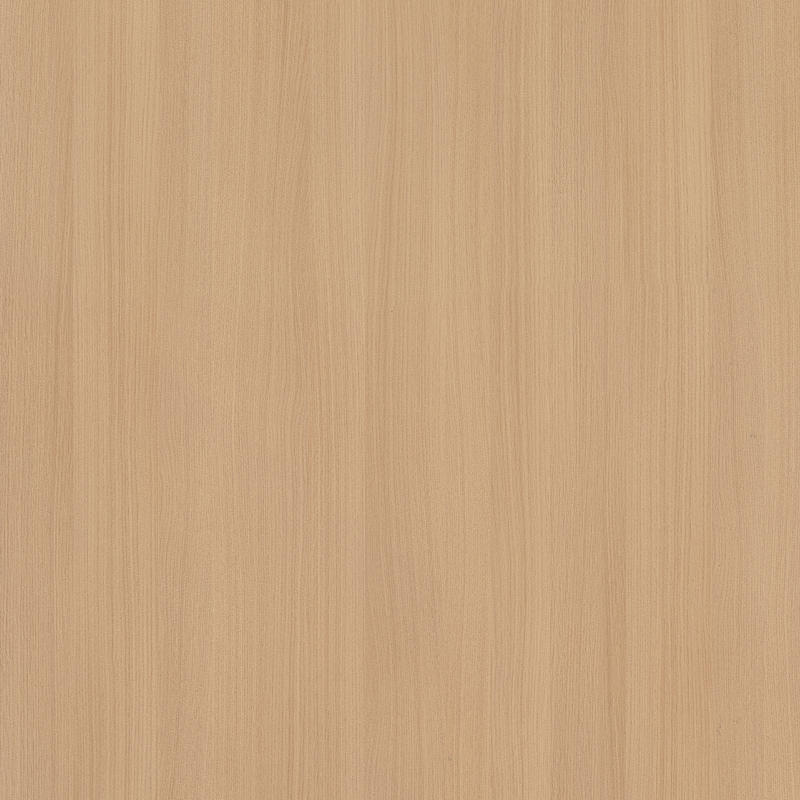 Moisture-Resistant HMR MDF Decorative Panel from Yakco/LekcoBoasting a moisture-resistant core, this HMR MDF panel suits kitchens and bathrooms where humidity is common. It offers wipe-down cleaning without edge swelling, ideal for frequent-cleaning spaces.View Product →
When you are selecting a melamine board for a room that will need frequent cleaning, consider the substrate as part of the maintenance plan. A board with a moisture-resistant core gives you the option to wipe down surfaces without worrying about edge swelling. A standard board can still be kept in perfect condition, as long as you follow the “damp, not wet” rule and dry exposed edges after every cleaning.
Special Care for Textured and 3D Embossed Panels
Textured surfaces are where most cleaning mistakes happen. People treat a 3D panel as though it were a flat melamine board and wipe it with a dry cloth, pushing dust and grease deeper into the embossed grooves. Then they try to scrub the grooves with a hard brush and end up wearing away the resin texture. The right method is simple, but it requires more time and attention than flat-surface cleaning.
For lightly textured surfaces, such as a fine fabric design or a subtle wood grain, a soft-bristled brush is your best friend. First, use a vacuum cleaner with a soft brush attachment to remove loose dust from the recesses. Then mix a small amount of dish detergent into warm water. Dip a soft sponge into the solution, wring it thoroughly, and wipe the panel using small circular movements. Follow with a clean, damp cloth to rinse away the detergent, and finally use the brush in a dry state to lift any remaining particles from the deep lines. Let the panel air dry, or use a hairdryer on a cool setting if the grooves are especially deep.
For deeply embossed panels with pronounced relief, such as rock-pattern or sawtooth designs, you may need a cotton swab for individual detail areas. The goal is never to flood the texture with water. Instead, keep your cloth barely damp and let the detergent do the work. If you have chosen a rock-pattern 3D wall panel like the SZ07, the deep fissures are a design feature, but they are also convenient hiding places for kitchen grease. Cleaning those fissures every two or three weeks prevents the grease from building up into a sticky film that is difficult to remove later.
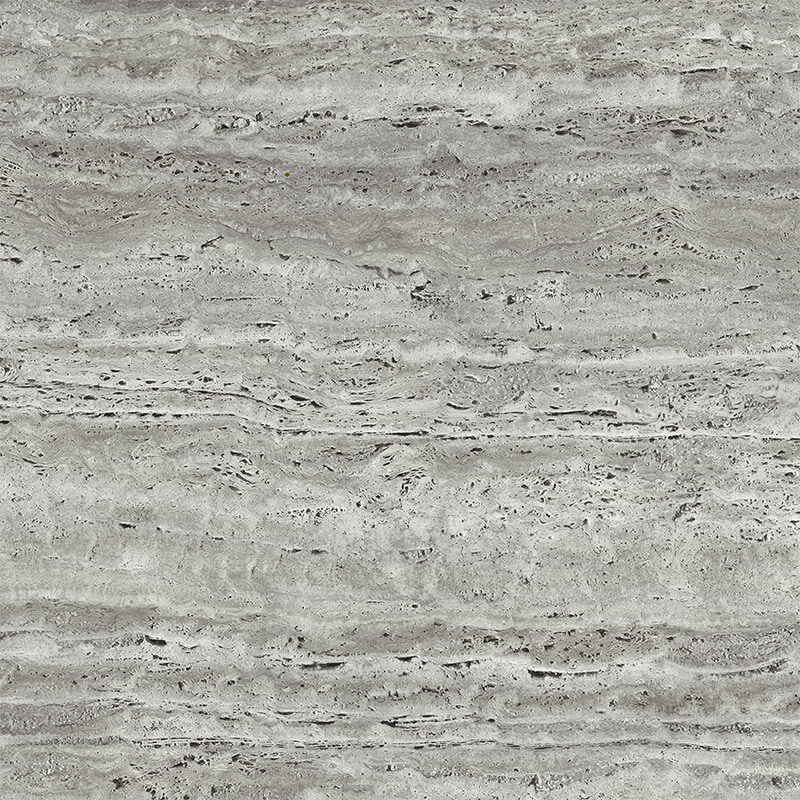 SZ07 Synchronized Travertine Melamine Panel with Natural Stone LookThis deep-embossed travertine panel replicates natural stone pores and layered texture via synchronized embossing. Its realistic surface adds artistry, yet its fissures require periodic gentle cleaning to avoid grease buildup.View Product →
Synchronized wood grain panels deserve a special note. These are panels where the printed grain is embossed in exact alignment with the visual texture, so your eyes see grain lines and your fingers feel matching ridges. To clean them, always wipe in the direction of the grain, not across it. Wiping across the grain will catch the soft ridge edges and, over time, can polish them flat, dulling the tactile effect. A synchronized oak panel, for instance, is best maintained with a soft cloth that moves along the length of the board, followed by a dry buff. This technique applies to many premium wood grain panels in the current market, including the TS01 synchronized oak with cutting texture.
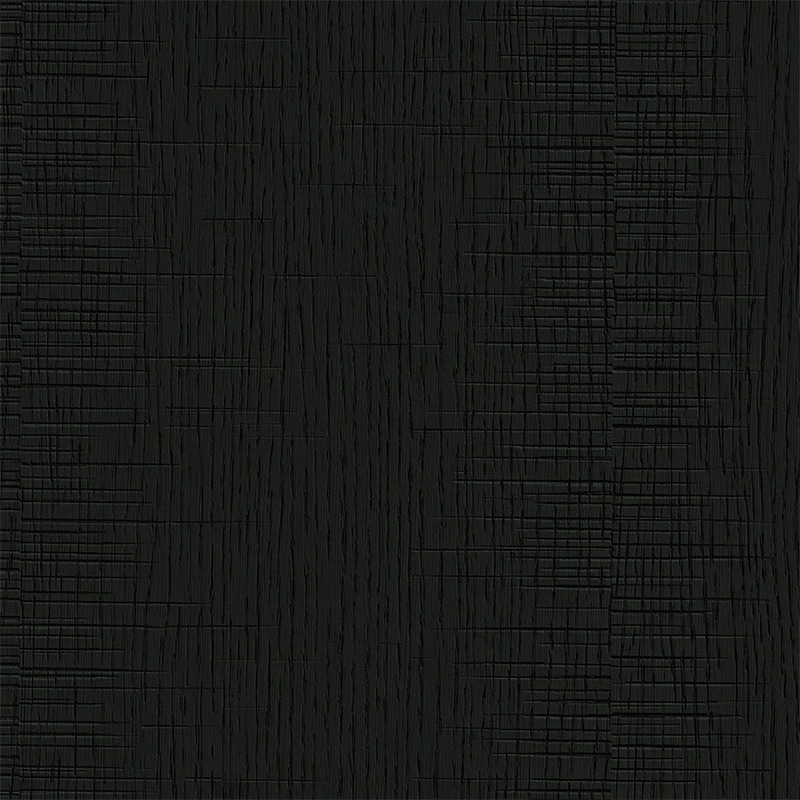 TS01 Synchronized Oak Panel with Cutting TextureFeaturing grain-aligned embossing and simulated cut layers, this oak panel delivers a lifelike tactile wood experience. Clean along the grain with a soft cloth to preserve its textured ridges and matte finish.View Product →
Leather and fabric textures are another category with their own cleaning logic. Because these designs simulate woven or tanned surfaces, they often have irregular pores and matte areas. Use a dry microfiber cloth for regular dusting. Once a month, use a gentle brush to lift any embedded particles, then wipe with a very lightly damp cloth and dry immediately. Do not treat these panels with leather conditioners or fabric sprays; those products can leave a film that attracts dust and changes the appearance of the printed design. If your home has a leather-look wall panel, the best upkeep is simply regular, gentle dusting.
If you are cleaning a large 3D embossed area such as an accent wall, work in sections of about one square meter. Clean the entire section with the brush and damp cloth, then dry it before moving to the next. This gives you a visual reference for what has already been completed and prevents the cleaner from drying on the panel in patchy streaks.
What to Avoid When Cleaning Melamine Board
Knowing what to avoid is as important as knowing what to use. The melamine resin surface is tough, but it is not immune to damage. Here are the most common culprits that lead to hazy finishes, stains, or permanent scratches.
| Avoid | Why It Is Harmful | Safer Alternative |
|---|---|---|
| Abrasive scouring pads, steel wool, melamine foam sponges | They create micro-scratches that collect dirt and reduce surface clarity | Soft microfiber cloth, non-scratch sponge |
| Scouring powders and cream cleansers | Contain calcium carbonate or similar abrasives that dull the resin | Baking soda paste, applied gently |
| Acetone, paint thinner, nail polish remover | Solvents can soften or dissolve the melamine resin and the printed layer | Isopropyl alcohol for ink stains |
| High concentration of bleach or ammonia | Can alter color, especially on dark or colored panels | Diluted white vinegar, dish detergent |
| Steam cleaners | High-pressure steam can push moisture into seams and edges, causing swelling | Warm water and a damp cloth |
| Vinegar undiluted, lemon juice used repeatedly | Acid may dull matte finishes or soften edge adhesive over time | Dilute vinegar 1:3 with water before use |
| Strong degreasers, oven cleaners, floor strippers | Aggressive alkaline formulas can react with the resin and cause clouding | Dish soap, baking soda, alcohol |
One of the most common mistakes is using a melamine foam sponge, sometimes sold as a “magic eraser,” on melamine board. Despite the shared name, melamine foam is a hard, abrasive cleaning block. It works by gently wearing away the top layer of whatever you are cleaning. On a painted wall that is useful; on a decorative melamine board it strips the resin gloss, leaves a flat patch, and can even remove the printed pattern. If you only remember one caution from this guide, make it this: keep melamine foam away from your melamine board.
You should also avoid using automatic dishwashing detergent or industrial degreasers on melamine board. These products are formulated for very different surfaces and often contain chlorides or caustics that can leave a white residue or alter the surface sheen. If you are in doubt about a commercial product, read the label and look for the words “safe on laminate” or “safe on melamine.” If the label does not mention melamine or laminates, test it on an inconspicuous area first.
Long-Term Maintenance Habits for Melamine Board
Steady habits are far more effective than heroic stain removal sessions. With a little discipline, you can keep melamine board looking new for a very long time, or at least until you decide to replace it for style reasons. Here are the maintenance habits that professional installers and furniture makers recommend to their clients.
- Wipe spills immediately. The longer a liquid sits on the surface, the deeper it can migrate into the printed layer or the edges. A few seconds of quick action prevents most permanent stains.
- Use doormats and placemats near heavy-use surfaces. In kitchens and dining areas, placemats catch not only crumbs but also the moisture that condenses on the bottom of cold glasses. A ring-shaped watermark is nearly impossible to remove from some matte finishes.
- Keep the edges dry. When cleaning any horizontal melamine surface, spend an extra second wiping the edge with a dry cloth. The edge is the weakest point because the substrate is exposed. Raising a board slightly on rubber feet when using it as a workstation can also protect the corners from moisture.
- Do not drag objects across the surface. Sharp or heavy items, like ceramic vases or metal toolboxes, can scratch through the resin layer. Lift objects instead of sliding them.
- Control indoor humidity. Melamine board is dimensionally stable in normal indoor conditions, but extreme humidity can cause the substrate to swell. Keeping indoor relative humidity below 65% is a sensible guideline for furniture longevity.
- Inspect hinges and fittings periodically. Screws in melamine board can loosen over time, especially in particleboard substrates. Tightening them before they pull out avoids stress cracks around the screw holes.
If you are wondering how long a melamine board can last, the answer depends heavily on maintenance. A well-cared-for board can easily serve for 20 years or more in a residential setting. The occasional deep clean you do every few months is the deciding factor between a board that ages gracefully and one that shows every sign of daily life.
Common Misconceptions About Cleaning Melamine Board
Several myths about melamine board circulate in online forums and social media groups, and many of them lead people to use unsafe methods. Let’s address the most common ones directly.
The first misconception is that glass cleaner is the best all-purpose option. Some glass cleaners are fine because they contain mostly water, alcohol, and a little detergent. But others contain ammonia, which can streak or dull certain melamine finishes, particularly dark colors and matte surfaces. If you use a glass cleaner, choose one without ammonia and test it on a small area. A simple soap-and-water solution is still the safest default.
The second myth is that vinegar can clean anything. Vinegar is excellent for dissolving grease and removing mineral residues, but it is not a universal cleaner. Repeated use of full-strength vinegar on sensitive finishes can degrade the resin polish and soften adhesives near edges. The key is dilution. One part vinegar to three parts water is a reasonable ratio for spot cleaning. If the smell is a concern, rinse with a damp cloth afterward.
A third misconception is that baking soda is too abrasive for melamine. Baking soda has a Mohs hardness of about 2.5, which is much softer than the cured melamine resin. When mixed into a paste and applied with light pressure, it is actually one of the safest mild abrasives for removing stubborn pigment stains. The risk is not the baking soda itself, but pressing too hard or using it too often, which can gradually flatten the microtexture of a matte finish. Use it as a targeted treatment, not a weekly routine.
Another common belief is that melamine board is waterproof because the surface feels like plastic. The decorative face is water-resistant, but the substrate underneath is a wood-based composite. Water that finds its way through a seam, a delaminated edge, or an unsealed screw hole can cause irreversible swelling. This is why “damp cloth” and “dry immediately” are repeated in every reputable care guide, including this one.
Finally, some people believe that steamer mops are a good idea for cleaning large melamine surfaces such as wardrobes or wall panels. Steam may remove dirt effectively, but it also introduces a large amount of moisture into the boards and can damage the substrate, especially around the edges and joints. For occasional deep cleaning, a slightly damp cloth is always safer.
Putting It All Together
Cleaning melamine board is not difficult, but it does require a deliberate approach. Start with the gentlest method: a soft microfiber cloth, lukewarm water, and a few drops of dish detergent. Use that for routine dusting and cleaning. When you encounter a stubborn stain, reach for a targeted remedy: baking soda paste for colored stains, diluted vinegar for grease, and isopropyl alcohol for ink. Always work gently, test in a hidden spot, and dry the surface thoroughly when you are done.
The same principles apply whether you are cleaning a plain white melamine cabinet, a high-gloss countertop, or a deeply embossed 3D wall panel. In fact, the better you understand the board itself, the easier it is to keep it beautiful. Choose panels with the right substrate for their location, treat textured surfaces with the respect they deserve, and avoid the abrasive tools and harsh solvents that cause most avoidable damage. Over time, this routine will preserve the board’s original appearance and ensure that your investment in decorative surfaces continues to look as good as the day it was installed.





