中文简体
中文简体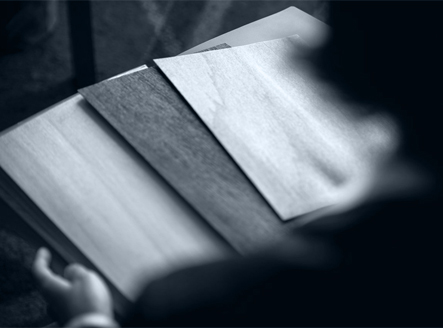






Previous Post
Natural stone has always been associated with permanence, sophistication, and architectural character. Marble, granite, slate, travertine, and other mineral surfaces bring variation, depth, and a tactile connection to nature. Yet for modern furniture and interior projects, designers increasingly need more than visual authenticity. Materials must also provide consistent quality, efficient fabrication, reliable surface performance, and greater flexibility in application.
This is where YAKCO Rock Design Melamine Board creates a new balance between natural aesthetics and engineered functionality.
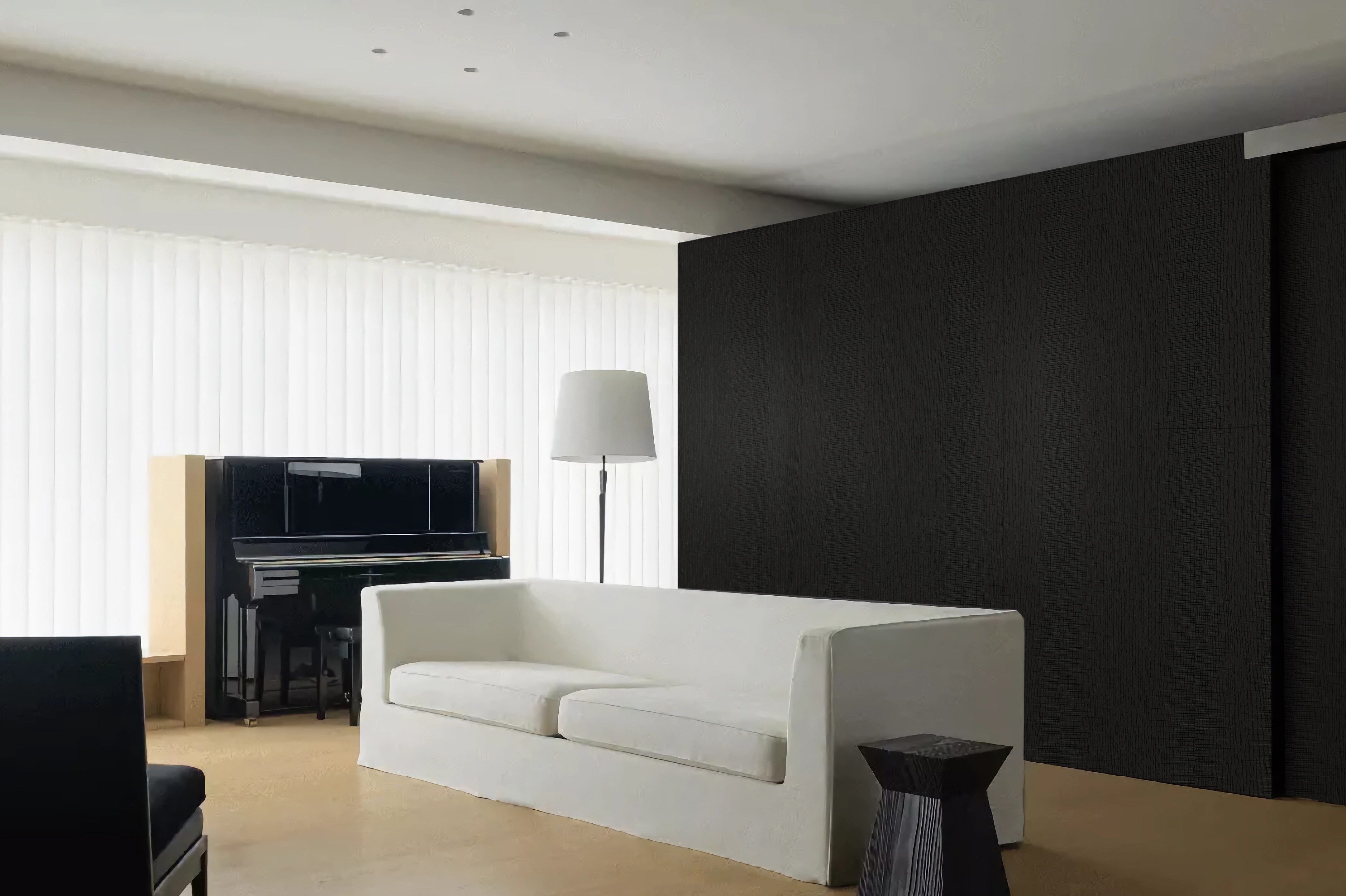
Rather than treating stone appearance as a purely decorative image, the Rock Design series focuses on combining visual stone patterns with three-dimensional surface texture. Through precision printing, embossing, and high-pressure lamination, the board translates the visual language of natural rock into a controlled, repeatable decorative surface.
To know more about YAKCO Rock Design Melamine Board
From Stone Imitation to Tactile Surface Design
The development of decorative materials is moving beyond color and pattern.
In contemporary interiors, designers increasingly consider how a surface looks under changing light, how it feels to the touch, and how well it retains its character after repeated use. YAKCO's approach to Rock Design Melamine Board follows this shift from purely visual decoration toward multi-sensory surface design.
Rock textures can reproduce the irregular characteristics found in natural materials: mineral variation, linear formations, subtle pits, cracks, layered structures, and uneven visual depth. When the printed grain is coordinated with the physical embossing, the eye and hand receive a more coherent impression of stone.
This principle is particularly important for travertine-inspired and other porous rock designs. Instead of simply printing an image of stone, the surface can create corresponding relief and texture, helping the material achieve a more convincing tactile identity.
How Technology Creates a More Realistic Rock Surface
The quality of a rock-inspired decorative board depends on much more than the decorative paper itself.
High-resolution printing determines the detail and color variation of the visual design, while embossing technology creates the physical topography of the surface. During high-pressure lamination, temperature, pressure, and pressing time must be carefully controlled so that the decorative structure is formed with sufficient clarity and stability.
The result is a surface in which visual elements and tactile elements work together.
For example, a stone vein should not appear completely flat when viewed under directional lighting. A porous travertine pattern can be reinforced through corresponding surface relief, while a slate-inspired design can emphasize layered directional texture. These details help reduce the artificial appearance commonly associated with repetitive decorative surfaces.
To know more about YAKCO Technology
Engineering Performance Is as Important as Appearance
A decorative board used in real furniture and interior applications must withstand considerably more than visual inspection.
YAKCO's available test report provides useful evidence of the performance of its tested 18 mm surface-decorated particleboard with paper impregnated thermosetting resins. The report, issued under GB/T 15102-2017, evaluates mechanical properties as well as resistance to moisture, temperature variation, scratching, wear, staining, dry heat, cracking, and vapor.
Among the reported results, the tested board achieved:
|
Performance Item |
Tested Value |
Result |
|
Bending strength |
29.8 MPa |
Pass |
|
Modulus of elasticity in bending |
4240 MPa |
Pass |
|
Internal bond strength |
0.36 MPa |
Pass |
|
2 h thickness swelling |
1.0% |
Pass |
|
Moisture content |
5.3% |
Pass |
|
Density |
0.72 g/cm³ |
Pass |
|
Screw holding capability – face |
1110 N |
Pass |
|
Screw holding capability – edge |
860 N |
Pass |
|
Surface scratching resistance |
1.50 N |
Pass |
|
Surface wear |
57 mg/100r |
Pass |
|
Cigarette burn resistance |
Grade 4 |
Pass |
|
Dry heat resistance |
Grade 5 |
Pass |
|
Surface staining resistance |
Grade 4 |
Pass |
|
Cracking resistance |
Grade 5 |
Pass |
|
Vapor resistance |
Grade 5 |
Pass |
The report records a surface wear value of 57 mg/100r, with no surface show-through after 350 rotations, while the tested samples also passed the specified surface scratching requirement.
For furniture manufacturers, these results are significant because texture only creates long-term design value when the surface can retain its visual character during everyday use.
A Surface Designed for High-Frequency Applications
Rock-inspired surfaces are particularly attractive for areas where designers want to introduce a natural architectural character without using solid stone throughout the space.
The combination of decorative depth and engineered surface properties makes Rock Design Melamine Board suitable for applications such as:
Residential Furniture
Rock textures can bring an architectural feel to wardrobes, TV cabinets, sideboards, kitchen storage, wall-mounted furniture, and other contemporary residential elements.
Hospitality Interiors
Hotels, serviced apartments, restaurants, and lounges can use stone-inspired surfaces for reception desks, feature walls, furniture fronts, wardrobes, and decorative structures where a refined natural atmosphere is required.
Commercial and Retail Spaces
Retail environments often need strong visual identity while also dealing with frequent contact and cleaning. Rock textures can introduce a premium material language to display furniture, counters, wall systems, and branded interiors.
Offices and Public Interiors
Conference rooms, executive offices, reception areas, and other commercial spaces can use rock-inspired surfaces to create a more substantial and sophisticated visual environment without relying entirely on natural stone.
Why Choose a Decorative Board Instead of Real Stone?
The objective of Rock Design Melamine Board is not to replace every application of natural stone. Instead, it offers designers another material strategy.
Compared with solid stone, engineered decorative boards can provide advantages in furniture production, particularly where cutting, CNC machining, edge processing, installation efficiency, repeatability, and weight are important considerations.
A natural stone slab is inherently unique, but its variation can also make large-scale furniture production more difficult to standardize. An engineered decorative surface provides manufacturers with much greater control over appearance and production consistency.
This is especially valuable for furniture brands and interior contractors working across multiple projects where design continuity is essential.
From Decorative Pattern to Material Language
The strongest value of a rock-inspired board is not simply that it “looks like stone.”
A well-designed surface establishes a material language for the entire interior.
Deep mineral patterns can reinforce a dramatic architectural style. Subtle travertine structures can create warmth and sophistication. Slate-inspired textures can introduce a more rugged character, while restrained stone patterns can support contemporary minimalist interiors.
Through differences in grain direction, color layering, relief depth, and surface finish, designers can create a broad range of atmospheres without changing the fundamental manufacturing system.
This flexibility allows the same material category to serve both residential and commercial design, while maintaining a coherent premium visual identity.
Surface Performance Supports Long-Term Design Value
For premium furniture, the cost of a material is not determined only by its initial appearance.
A surface that scratches easily, stains permanently, loses its texture, or becomes visually inconsistent during daily use can quickly reduce the perceived value of the finished product.
The YAKCO test data demonstrates that the tested surface-decorated particleboard system achieved Pass results across multiple resistance categories, including scratching, wear, staining, dry heat, cracking, and vapor resistance.
This combination of decorative expression and measurable performance is important for designers who need surfaces that remain visually convincing beyond the showroom.
The Future of Rock-Inspired Decorative Materials
The evolution of decorative boards is moving toward a more sophisticated definition of realism.
It is no longer enough to reproduce the color of marble, the pattern of granite, or the linear structure of travertine. Modern surface technology is increasingly focused on combining image, texture, depth, material perception, and technical performance into one engineered solution.
YAKCO Rock Design Melamine Board reflects this direction.
By combining stone-inspired decorative design with embossed surface technology and a tested melamine-board construction, it provides a practical material solution for designers and manufacturers seeking the character of natural rock together with the consistency required by modern furniture production.
For architects, furniture manufacturers, interior contractors, and material specifiers, the opportunity is not simply to imitate stone. It is to reinterpret the language of stone through a more controllable, production-friendly, and performance-oriented surface material.
YAKCO Rock Design Melamine Board — natural stone aesthetics, re-engineered for contemporary interiors.