中文简体
中文简体





Previous Post
In contemporary interior design and custom furniture manufacturing, “wood grain texture” is no longer merely a visual decorative element. It has evolved into a comprehensive expression that integrates material engineering, tactile experience, and spatial narrative. Against this backdrop, the YAKCO Wood Design Melamine Board developed by YAKCO New Materials has become an increasingly important material solution in high-end residential and commercial spaces.
Rather than focusing solely on visual imitation of natural wood, this product establishes a systematic approach that extends “natural aesthetics” into tactile perception and long-term performance through structural engineering, surface properties, and environmental adaptability.
1. From “Decorative Wood Grain” to Structural Wood Expression
Traditional wood grain decorative panels have long been limited to a “pattern replication” logic. The core process involves printing wood textures onto decorative paper and laminating it onto a substrate surface. While this approach provides a low-cost alternative to solid wood, it has clear limitations in tactile authenticity, light interaction, and durability.
The YAKCO Wood Design Melamine Board upgrades this logic by transforming wood grain design from a two-dimensional pattern into a structural surface system:
- High-precision texture reproduction technology that closely replicates the rhythm and direction of real wood grain
- Multi-layer hot-press lamination process that enhances structural stability
- Balanced optimization between visual appearance, tactile realism, and abrasion resistance
The essence of this design philosophy is a shift from “simulating wood” to “expressing the structural language of wood.”
To know more about YAKCO 3D Embossed Wood Melamine Board
2. Synchronized Embossing and Engineering Realism
In the high-end decorative panel industry, synchronized embossing (EIR, Embossed In Register) has become a key indicator of product quality.
The YAKCO Wood Design Melamine Board integrates an EIR system that aligns embossed texture precisely with printed wood grain patterns, resulting in:
- Unified visual and tactile perception: wood grain direction can be physically felt
- Enhanced light consistency: surface reflection behaves more like natural wood under different angles
- Reduced artificial “printed feel,” increasing realism as a wood substitute
This technological approach enables stronger design adaptability in cabinet doors, furniture panels, and commercial interior wall applications.
3. Substrate Structure and Physical Performance Optimization
As a surface material, performance depends not only on the decorative layer but also heavily on the substrate structure. Based on industrial testing systems (such as density, bending strength, thickness swelling, and screw-holding capacity), YAKCO material systems typically emphasize the following:
1. High-stability substrate system
Engineered using particle board, MDF, or high-density composite substrates, combined with resin impregnation and hot-press processes to improve density and reduce warping risk.
2. Mechanical strength and load-bearing capacity
Furniture applications require long-term structural reliability, making bending strength and elastic modulus critical parameters. YAKCO products are generally optimized to meet industrial-grade performance requirements for cabinetry, desktops, and structural components.
3. Environmental resistance
Optimized resin systems and surface sealing structures improve resistance to moisture, heat, and staining, thereby extending product lifespan.
These structural enhancements elevate wood design panels from “decorative layers” to functional engineering materials.
To know more about YAKCO Technology
4. Application Logic of Wood Aesthetic Language in Space Design
The value of Wood Design Melamine Board lies not only in the material itself but also in its ability to redefine spatial design language.
1. Residential spaces: balancing natural warmth and order
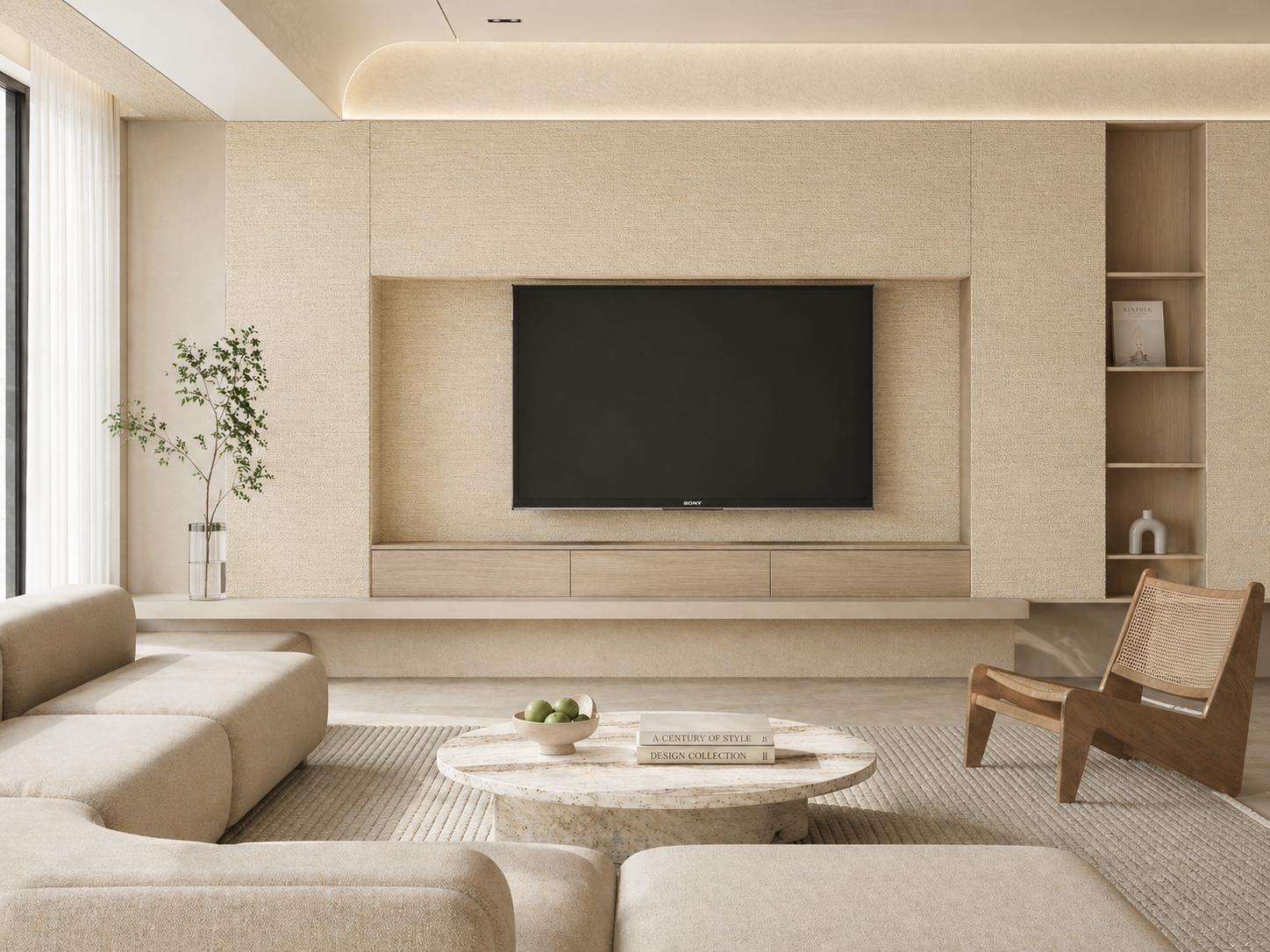
In modern minimalist and wabi-sabi interiors, wood grain panels provide visual warmth while avoiding the high maintenance cost of solid wood.
Typical applications include:
- Wardrobe systems
- Kitchen cabinetry
- Feature walls and wall paneling
2. Commercial spaces: consistency and brand identity
In hotels, offices, and retail environments, wood grain panels provide a unified visual system that can be applied at scale without batch variation issues common in natural wood.
3. Custom furniture: industrial production with design flexibility
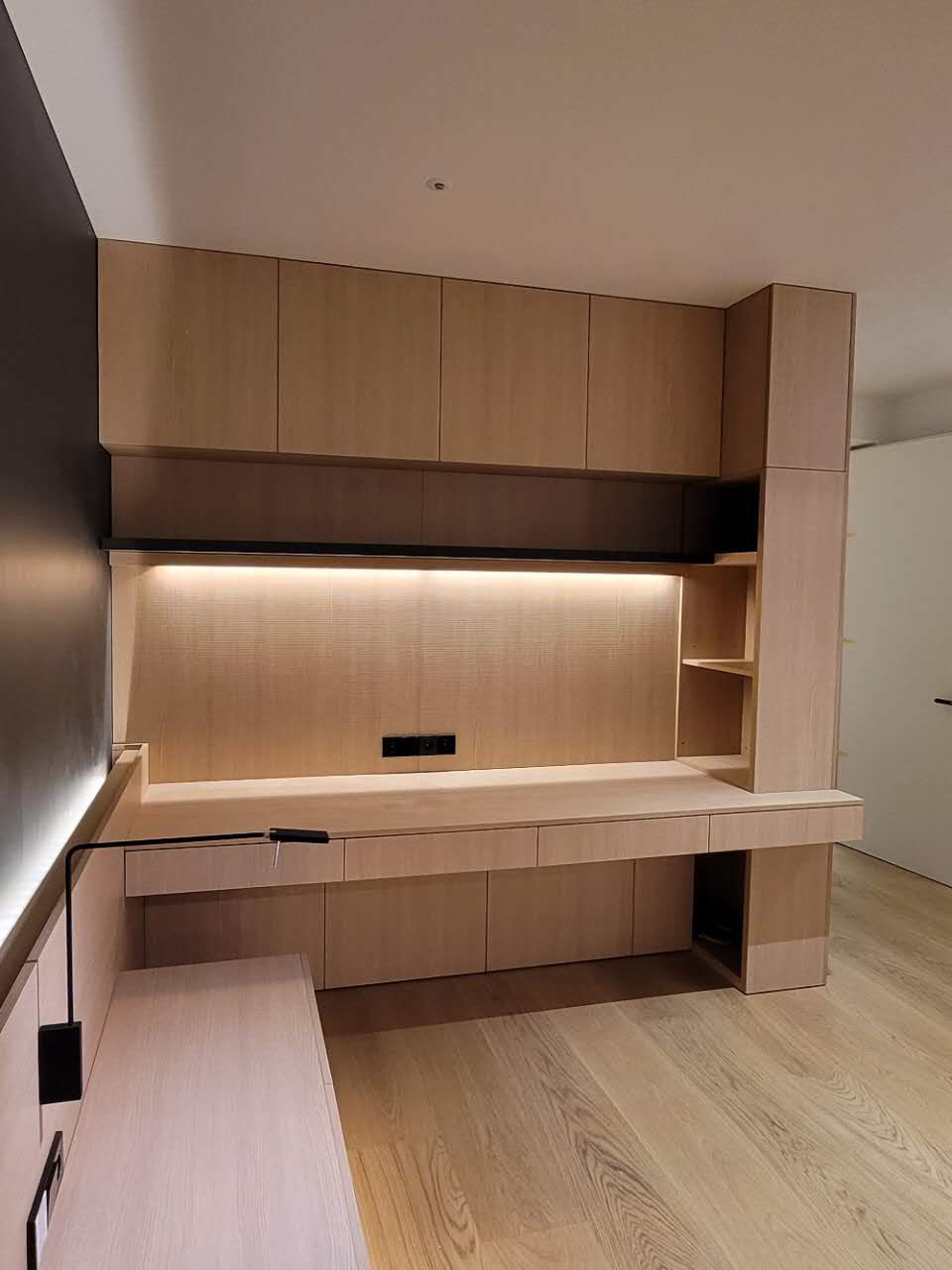
These panels enable standardized industrial manufacturing while preserving design control over texture, tone, and spatial rhythm.
5. Material Trends: From “Simulation” to Experience Design
The global decorative materials industry is shifting from simple visual imitation toward multi-sensory experience design, including:
- Visual realism
- Tactile feedback
- Spatial consistency
- Lifecycle stability
The YAKCO Wood Design Melamine Board reflects this evolution, where the key question is no longer “does it look like wood,” but rather “does it behave like wood in spatial systems.”
6. Conclusion: The Next Stage of Wood Grain Surfaces Is Systemic Material Design
From an industry evolution perspective, wood grain decorative panels are transitioning from “pattern-based materials” to “system-based materials.”
Through the Wood Design Melamine Board, YAKCO New Materials presents not only a surface decoration solution but a comprehensive material system integrating texture engineering, substrate structure, and spatial application logic.
With further advancements in synchronized embossing technology, eco-friendly resin systems, and high-performance substrates, wood grain panels will continue to evolve from “substitutes for natural wood” into materials that define a new standard of wood-based design in modern architecture and furniture manufacturing.