中文简体
中文简体





Previous Post
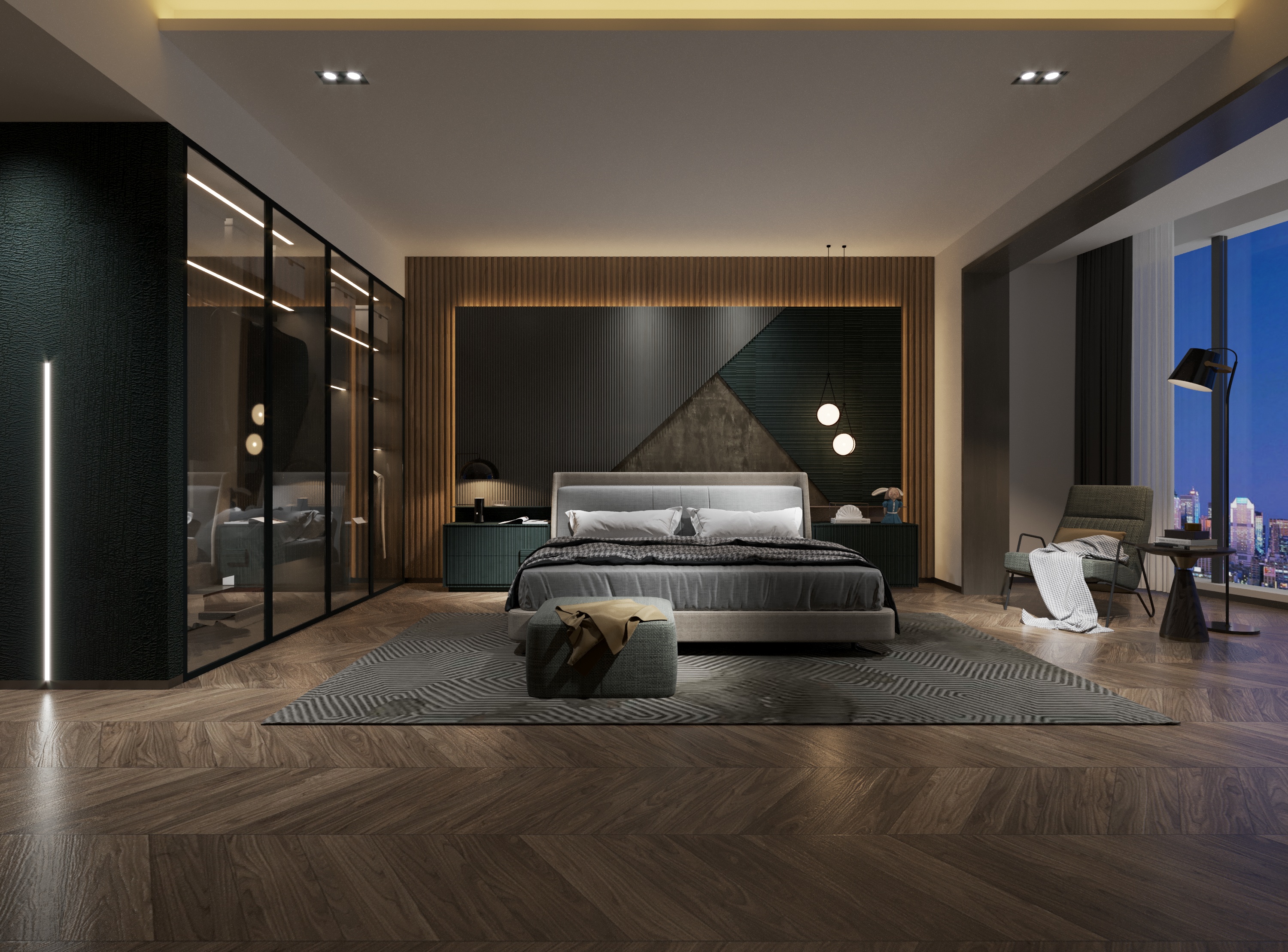
In the field of whole‑house customisation and engineering furniture, after‑sales repairs are the "profit black hole" that most pains business owners.
More: yakco technology
A single on‑site repair may have a material cost of only a few tens of RMB, but when labour, travel, and time costs are added, it easily exceeds 300 RMB per visit.
More importantly, after‑sales complaints are often concentrated on three recurring issues: edge banding cracking, hinge loosening, and panel deformation– and the root cause of these problems is not in the processing stage, but in the stability of the substrate.
YAKCO Melamine Board Substrate uses three sets of data from its test report to build three "firewalls" for furniture factories.
First Firewall: 2h Swelling in Thickness 1.0% – Edge banding does not crack, white lines do not appear
After‑sales pain point: Six months to one year after installation, white lines appear on cabinet door edge banding, or the banding even pops off completely. The customer complains: "It was fine when newly installed– why has it cracked after just one summer?"

Root cause: Ordinary panels have a 2h swelling in thickness of 6%‑8%. They absorb moisture and swell during the rainy season, then lose moisture and shrink during the heating season. The repeated stress difference between the edge banding and the panel surface eventually leads to fatigue failure of the adhesive layer.
YAKCO data: 2h swelling in thickness 1.0% (national standard ≤8.0%), only one‑eighth of the standard limit.
Logic: The lower the swelling rate, the smaller the dimensional change difference between the panel surface and the edge banding. 1.0% means that even after a full cycle of dry‑wet alternation, the panel thickness change is minimal, and the edge banding remains "tightly attached, without white lines". Furniture factories can expect a reduction of over 70% in edge banding‑related complaints.
Second Firewall: Screw Holding Capability 1110 N– Hinges do not loosen, door panels do not sag
After‑sales pain point: After one year of use, cabinet door hinge screws become loose, the door sags, and it does not close properly. The customer tightens them themselves, but they loosen again after two months– repeated service calls.
Root cause: Ordinary panels have a screw holding capability of 900‑1000 N – just "good enough". But cabinet doors open and close dozens of times per day, and the hinges undergo periodic alternating stress. The holding force of the screw hole degrades day by day. Once it falls below the critical threshold, the screw starts to "wobble".

YAKCO data: Screw holding capability (face) 1110 N (national standard ≥900 N), exceeding the standard by 23.3%.
Logic: 1110 N is not the "initial value", but the "safety margin after fatigue degradation". This extra 21 kg of redundancy means that in the cycle of 50 openings per day, 18,000 per year, the holding force of the screw hole always remains above the loosening threshold. Furniture factories can expect a reduction of over 50% in hinge loosening‑related complaints.
Third Firewall: Modulus of Elasticity in Bending 4240 MPa– Tabletops do not sag, shelves do not bend
After‑sales pain point: The middle of a long desktop shows visible sagging; open shelves are lower in the middle and higher at the ends, causing books to slide outwards. The customer complains: "Isn't this board too soft?"
Root cause: Ordinary particleboard has a modulus of elasticity in bending of 1600‑2500 MPa. When used over long spans, creep accumulates under long‑term heavy loads, leading to permanent deformation ("sagging").
YAKCO data: Modulus of elasticity in bending 4240 MPa (national standard ≥1600 MPa), 2.65 times the standard limit.
Logic: A high modulus of elasticity means smaller instantaneous deflection under unit load, and more importantly, extremely low long‑term creep. A 2.4‑metre long desktop, even when load bearing a computer, files, and arm leaning for years, will maintain its factory‑level flatness after many years. Furniture factories can expect a reduction of over 60% in deformation‑related complaints.
The "Unified Substrate" Behind the Three Firewalls
These three properties – low swelling, high screw holding, and high rigidity – are not isolated. They share the same foundation: the narrow‑window control of YAKCO substrate.
1.2h Swelling in Thickness
National Standard Requirement: ≤8.0%
YAKCO: 1.0%
Effect: Edge banding does not crack
2.Screw Holding Capability (Face)
National Standard Requirement: ≥900 N
YAKCO: 1110 N
Effect: Hinges do not loosen
3.Modulus of Elasticity in Bending
National Standard Requirement: ≥1600 MPa
YAKCO: 4240 MPa
Effect: Panels do not deform
4.Density
National Standard Requirement: 0.60‑0.90 g/cm³
YAKCO: 0.72 g/cm³
5.Internal Bond
National Standard Requirement: ≥0.35 MPa
YAKCO: 0.36 MPa
6.Moisture Content
National Standard Requirement: 3.0%‑13.0%
YAKCO: 5.3%
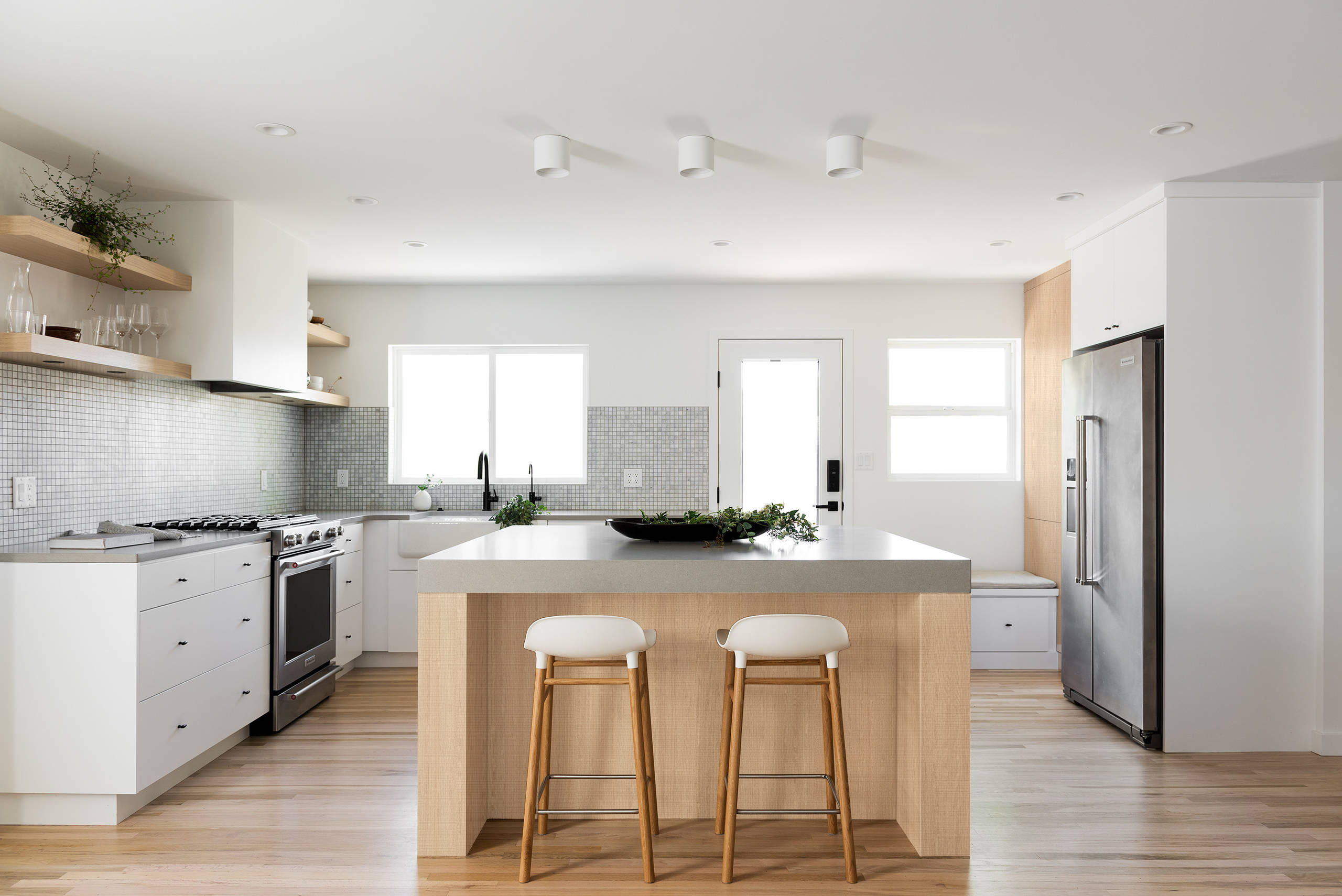
Conclusion: YAKCO helps you save on the "invisible bill" of after‑sales repairs
The profit of a furniture factory is often not "earned", but "saved". Every on‑site repair eats into profit. YAKCO Melamine Board Substrate uses a swelling rate of 1.0%, a screw holding capability of 1110 N, and a bending modulus of 4240 MPa to cut off the root causes of the three major after‑sales complaints at the source.
The next time a customer asks, "What's different about your panels?", you can skip the specifications and ask just one question: "How many times did you go out for repairs last year because of edge banding cracking, hinge loosening, or panel deformation?"
YAKCO specialises in the R&D and manufacturing of melamine decorative boards.
With a 50‑mu factory area and more than 30 pressing lines, and independent quality control across the entire chain from substrate to decorative surface, YAKCO provides a "low after‑sales, low complaint" substrate solution for furniture manufacturing enterprises.
Learn about Products: Premium Melamine Faced Board