中文简体
中文简体





Previous Post
In the public spaces of hotels, office buildings, and high‑end residences, elevator lobbies and corridors are "high‑pressure zones" for decorative panels.
Suitcase metal corners impact the walls, rubber wheels repeatedly scrape, wheelchair armrests rub against wall cladding, and hard objects bump during furniture– these events occur dozens or even hundreds of times every day.
After one year of use in such areas, ordinary decorative panels are often left with dense "scars": dents, scratches, and chipped edges.
More: yakco technology
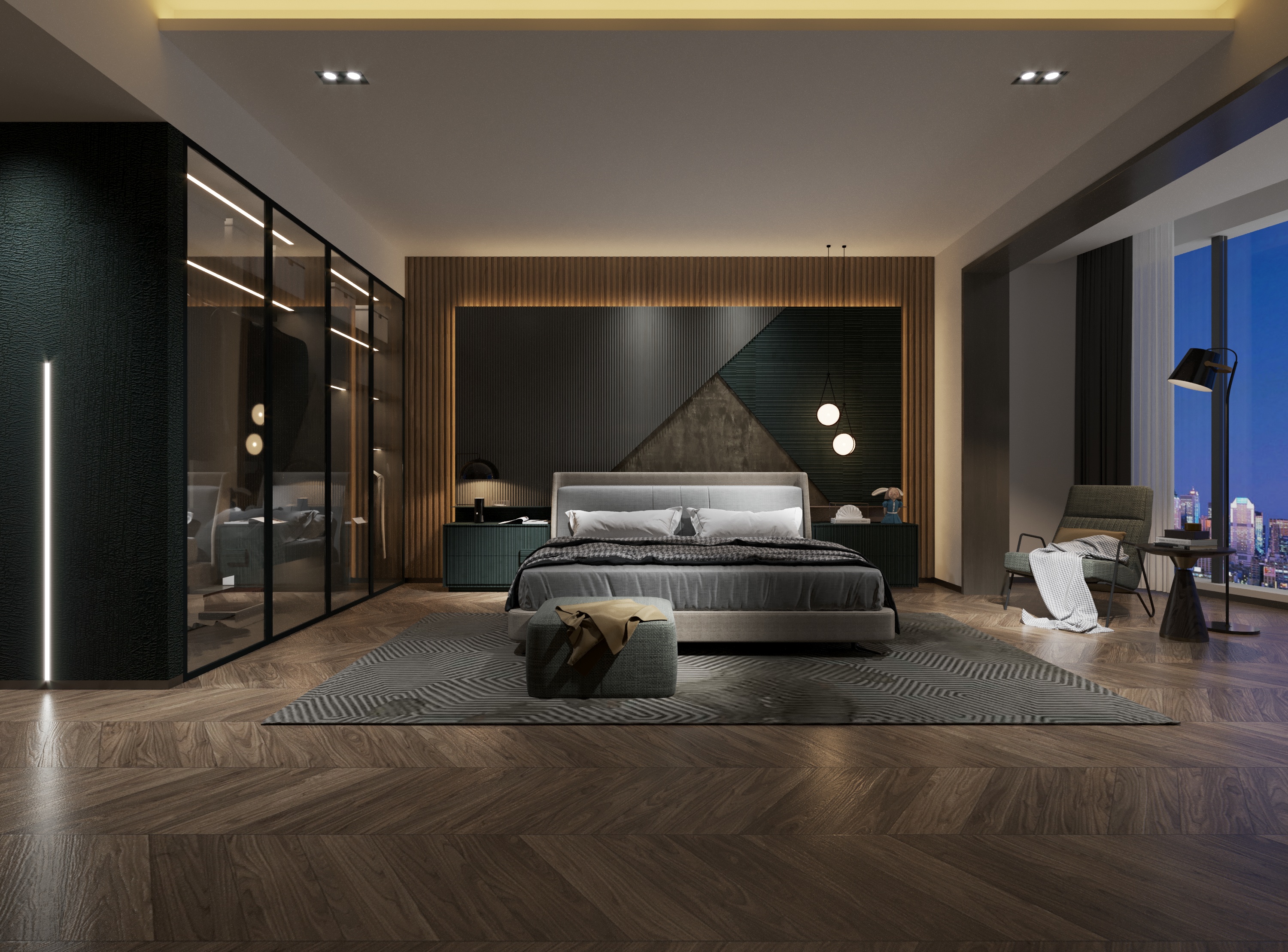
When designers choose the Art Deco style, they often avoid "high‑impact areas" like elevator lobbies, worried that the delicate geometric lines and metallic textures cannot withstand such intense physical test.
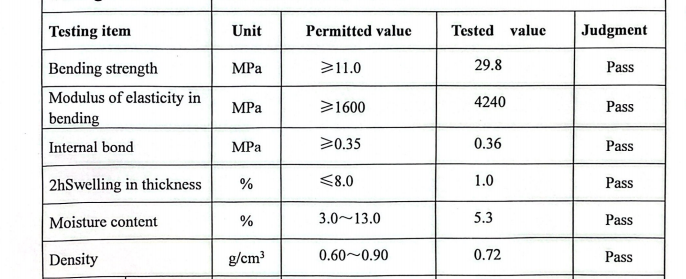
YAKCO Art Deco Melamine Board uses three data points from its test report– internal bond 0.36 MPa, resistance to surface scratching 1.5N, and 2h swelling in thickness 1.0%– to prove that Art Deco aesthetics can also "withstand impact".
The following sections, from the perspective of impact mechanics, break down how these three data points function in elevator lobbies and corridors.
1.Internal Bond 0.36 MPa: Impact energy does not transmit into internal cracking
Impact scenario: A suitcase metal corner strikes the wall cladding at a certain speed. If the substrate's internal bond is insufficient, the interface between particles and adhesive around the impact point will crack instantly, forming a local "dent" or "bulge"– even if the surface decorative layer is not broken, the substrate has already suffered "internal injury".

YAKCO data: Internal bond 0.36 MPa (national standard ≥0.35 MPa)
Mechanical logic: Internal bond is the substrate's ability to resist internal interface failure. 0.36 MPa means that the bonding force between particles and adhesive inside the substrate is higher, and the impact energy is spread over a larger area of the particle network rather than concentrating at the impact point to cause interface tearing.
Compared to ordinary panels (internal bond at the marginal value of 0.35 MPa), the extra 0.01 MPa margin of YAKCO manifests under high‑speed impact as: no blistering, no denting on the surface after impact, and no micro‑cracks inside the substrate.
Even with daily "servicing" by suitcases, the elevator lobby wall remains flat.
2.Resistance to Surface Scratching 1.5N: Hard objects do not "disfigure" the surface
Scraping scenario: Sand particles trapped on the edges of rubber wheels, burrs on wheelchair metal armrests, and metal corners during furniture– these hard objects scrape across the wall surface, leaving continuous white marks or shallow grooves.
YAKCO data: Resistance to surface scratching 1.5N– Pass (no more than 90% continuous scratch)

Mechanical logic: The scratch test under a 1.5N load simulates the failure mode of a hard object pressing and scraping across the surface.
YAKCO's result of no more than 90% continuous scratch under this load means that the gold lines and geometric boundaries of the Art Deco pattern are not "cut through" when scraped by hard objects – only extremely slight and discontinuous marks may appear.
The delicate patterns on the elevator lobby walls remain "lines intact" amidst daily foot traffic.
3.2h Swelling in Thickness 1.0%: Cleaning moisture does not cause edge warping
Moisture scenario: Elevator lobby and corridor floors are wet‑mopped daily, and the bottom 20‑30 cm of the wall is in a high‑humidity micro‑environment. Ordinary panels absorb moisture and swell in thickness, causing wall cladding joints to "step up", skirting boards to deform, and edge banding to pop off – these "minor issues" make the entire space appear rough and cheap.

YAKCO data: 2h swelling in thickness 1.0% (national standard ≤8.0%)
Physical logic: A swelling rate of 1.0% is only one‑eighth of the standard limit, meaning that even if the bottom of the wall is exposed to humid air, the panel thickness changes minimally.
The flatness of the wall cladding joints remains as original, and the vertical lines of the Art Deco pattern do not "deviate" due to panel warping.
Designers can extend geometric patterns from the top of the wall all the way to the skirting board, without having to switch to other materials for "trimming" at the bottom.
4.Substrate support: Without a stable "wall body", even the best pattern will deform
The three properties above– impact resistance, scratch resistance, and moisture‑swelling resistance– together depend on the stability of YAKCO Melamine Board Substrate:
Density 0.72 g/cm³: uniformly distributed, ensuring that impact energy is spread evenly and does not concentrate locally.
Internal bond 0.36 MPa: the substrate is compact; impact does not cause internal cracking, and scraping does not cause powdering.
Moisture content 5.3%: low shrinkage/swelling; moisture does not trigger deformation, and joints do not "step up".
5.Comparison of typical application scenarios
1.Hotel elevator lobby-Suitcase impacts, scraping
Ordinary panel performance: After six months: dense dents, blurry lines
YAKCO: Internal bond 0.36 MPa– impact resistant, pattern intact
2.Office building corridor-Wheelchair armrests, furniture bumps
Ordinary panel performance: Wall cladding: chipped edges, warped joints
YAKCO: Scratch resistance 1.5N– no continuous scars
3.High‑end residential hallway-Children's scooters, pet claws
Ordinary panel performance: Bottom 20cm of wall becomes "mottled"
YAKCO: Swelling 1.0%– no warping from moisture
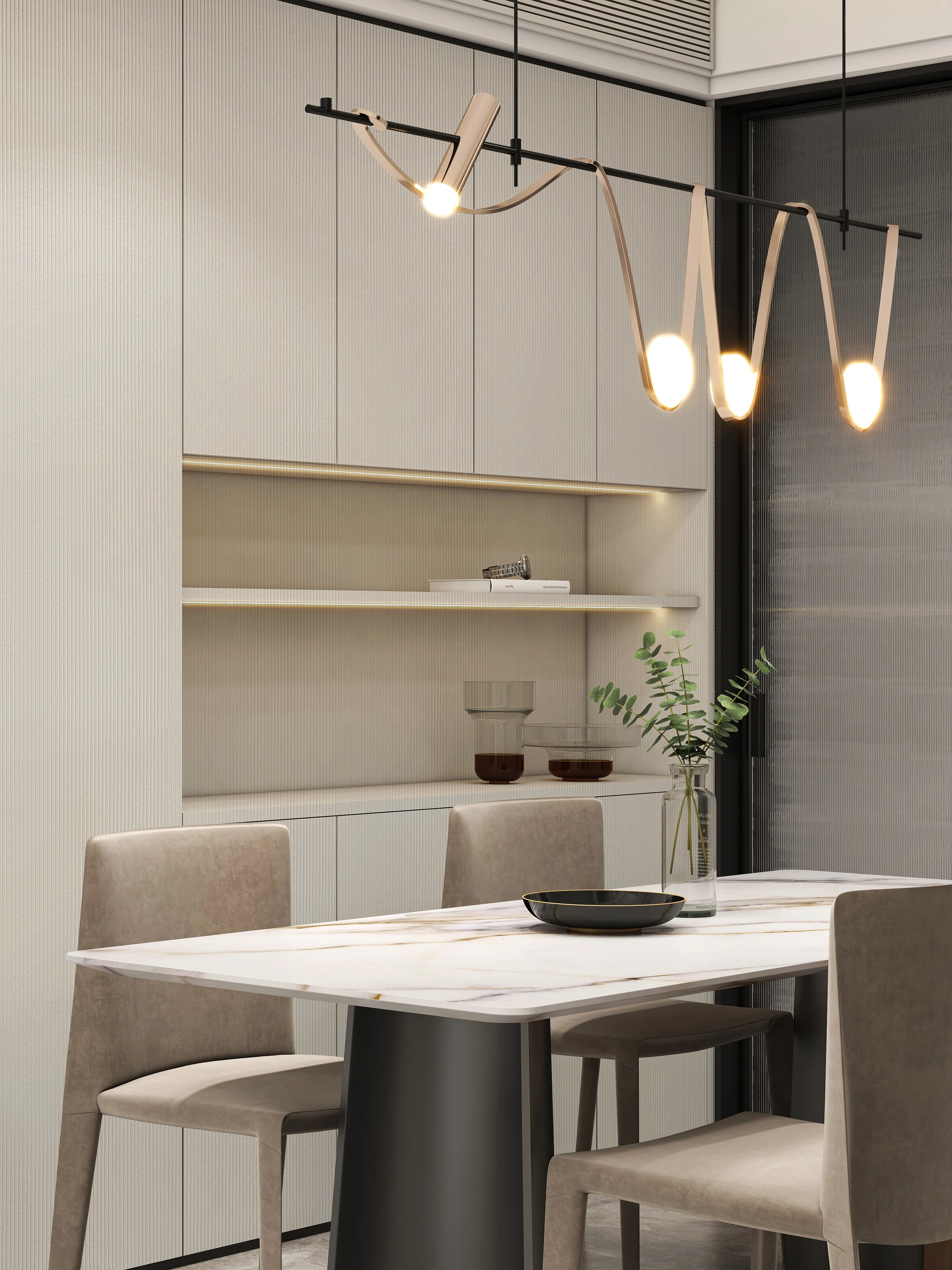
Conclusion: Art Deco should not exist only where "nobody touches"
When planning the Art Deco style, designers often place it in "visual focal point" areas such as lobby fronts, feature walls, and reception desks, while spaces like elevator lobbies and corridors– "high‑contact, easily overlooked" areas– are often "settled for" with plain wall cladding.
The value of YAKCO Art Deco Melamine Board is this: delicate aesthetics can also be placed where they are most likely to be bumped.
When the walls of an elevator lobby are impacted daily by suitcases, and surrounded by wet mops, YAKCO uses the data of internal bond 0.36 MPa, scratch resistance 1.5N, and swelling 1.0% to ensure that the geometric lines and gold textures of Art Deco still "stand firm".
YAKCO specialises in the R&D and manufacturing of melamine decorative boards, offering parallel series of Art Deco, rock design, 3D wood txeture, and leather design, providing a "aesthetics and impact resistance in one" decorative solution for public spaces.
Know About Art Deco: Art Deco Melamine Faced Board