中文简体
中文简体





Previous Post
The Art Deco style is known for its high‑contrast colour blocks such as black‑gold, blue‑silver, and black‑white.
These bold colours are highly visually impactful in commercial spaces – hotel lobbies, high‑end clubs, boutique stores, art galleries.
However, designers and homeowners often have a concern: Will large areas of dark and metallic colour blocks fade, yellow, or change colour due to local heat sources over long‑term use?
Tech:yakco technology
YAKCO Art Deco Melamine Board uses three data points from its test report– resistance to dry heat Grade 4, passing the resistance to high‑low temperature cycle, and resistance to surface staining Grade 5– to prove the “colour anchoring” capability of its high‑contrast patterns: even under direct sunlight, near heat sources, and in high‑frequency cleaning environments, the gold lines do not darken, the black blocks do not turn grey, and the blue does not fade.
1.Resistance to dry heat Grade 4: Coffee cups and warm light sources do not cause local “discolouration rings”
Test item: Resistance to dry heat
National standard requirement: ≥ Grade 4
YAKCO: Grade 4 
Art Deco often uses combinations of gold geometric lines and dark base colours in areas such as bar counters, coffee tables, and reception desks.
These are precisely the areas where hot coffee cups, teapots, and even warm‑colour spotlights are present for long periods.
Grade 4 means that after brief contact with a heat source at approximately 100°C, the surface shows no white heat rings, no uneven gloss, and– more importantly– no local thermochromic discolouration: the gold does not turn reddish or darken due to heat, and the black does not become whitish.
For Art Deco patterns printed with metallic inks, resistance to dry heat directly determines whether the edges of the lines remain sharp and colour‑saturated after repeated contact with hot cup bottoms.
2.Passing the resistance to high‑low temperature cycle: Direct sunlight by windows does not cause fading or yellowing
Test item: Resistance to high‑low temperature cycle
National standard requirement: No fissure, no blister, no change of colour, no wrinkle
YAKCO: All requirements met
In commercial spaces, large‑area Art Deco walls near floor‑to‑ceiling windows are heated by direct sunlight during the day and cool down at night, with repeated temperature differences.
Dark pigments in some materials may fade or yellow (especially white and light metallic areas) under the combined action of UV light and thermal stress.
YAKCO’s resistance to high‑low temperature cycle test explicitly includes the “no change of colour” requirement.
Passing it means that the melamine resin and colourant system of the decorative layer have high thermal stability and lightfastness.
Even under long‑term exposure to window light or spotlights, sensitive colour blocks such as blue‑silver and black‑white will not develop visible colour differences. This is especially important for boutique window displays and hotel lobby feature walls.
3.Resistance to surface staining Grade 5: Cleaners do not corrode metallic inks
Test item: Resistance to surface staining
National standard requirement: ≥ Grade 4
YAKCO tested value: Grade 5 – Pass

In high‑frequency cleaning of commercial spaces, the cleaners used may contain alcohol, surfactants, or even weakly alkaline ingredients. These chemicals risk dissolving or corroding ordinary printing inks, causing gold lines to darken and edges to bleed.
Grade 6 means that common contaminants such as coffee, alcohol, and cleaners, when wiped, do not leave stains or rings, and the gloss and colour of the metallic colour blocks are fully preserved.
Cleaning staff do not need special detergents– regular neutral cleaner is sufficient for safe maintenance.
4.Application scenarios: Commercial spaces where high‑contrast colour blocks remain “age‑free”
1.Hotel lobby wall by floor‑to‑ceiling windows-Direct sunlight causes dark colours to fade, metallic colours to yellow:
2.Coffee bar countertop (black‑gold geometric)-Hot cup bottoms, coffee stains contact gold lines
3.Boutique window display background-Long‑term spotlights; white areas prone to yellowing
4.High‑end club elevator lobby wall cladding-Frequent cleaning; cleaners contact metallic inks
5.Art gallery exhibition wall (blue‑silver)-Large temperature/humidity fluctuations; stress cracking at colour block edges 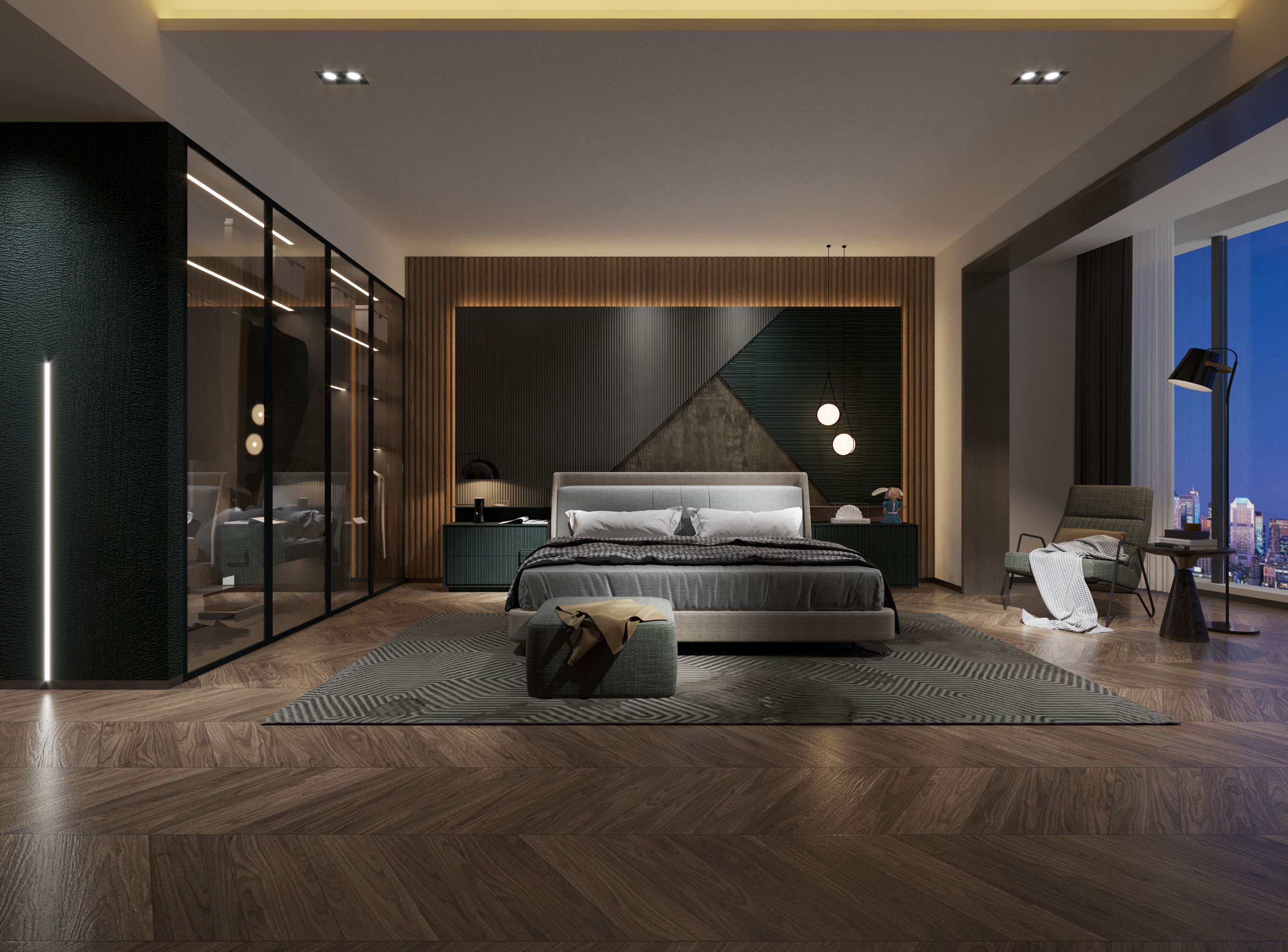
Conclusion: Art Deco colours deserve to be treated kindly by time
YAKCO Art Deco Melamine Board uses the data of resistance to dry heat Grade 4, passing the high‑low temperature cycle, and stain resistance Grade 5 to respond to a long‑overlooked issue: the visual durability of high‑contrast colour blocks.
Designers can confidently use bold colour schemes such as black‑gold, blue‑silver, and black‑white near windows, heat sources, and high‑frequency cleaning areas, without worrying that the pattern will “look completely different” after six months.
When the retro luxury of Art Deco meets the high‑frequency use of modern commercial spaces, YAKCO uses colour anchoring technology to ensure that every gold line withstands the test of time and cleaning agents.
More about Rock Board: Art Deco Melamine Board