中文简体
中文简体





Previous Post
For decades, natural stone has been synonymous with luxury in commercial interior design. From five-star hotel lobbies and premium retail stores to corporate headquarters and upscale residential developments, stone surfaces have long been valued for their elegance, durability, and prestige.
However, as commercial projects increasingly prioritize cost efficiency, construction speed, and sustainability, the industry is asking a new question:
Do you really need natural stone to create a stone-inspired luxury interior?
For many architects, designers, and furniture manufacturers, the answer is no.
This shift is one of the key reasons why YAKCO Rock Design Melamine Board is rapidly gaining popularity in modern commercial interior applications.
To know more about yakco Rock Design Melamine Board
From Material-Centric Design to Experience-Centric Design
Traditionally, designers focused on the material itself.
Today, they focus on the experience and visual outcome it delivers.
Project owners want:
- The sophistication associated with natural stone
- Consistent aesthetics across large-scale projects
- Long-lasting durability
- Better budget control
Rather than simply specifying natural stone as a material, designers are increasingly seeking solutions that achieve the same visual impact while offering superior practicality.
This is exactly where YAKCO Rock Design Melamine Board excels.
The Industry Shift: From Stone Materials to Stone Effects
Decorative surface technology has evolved significantly over the last decade.
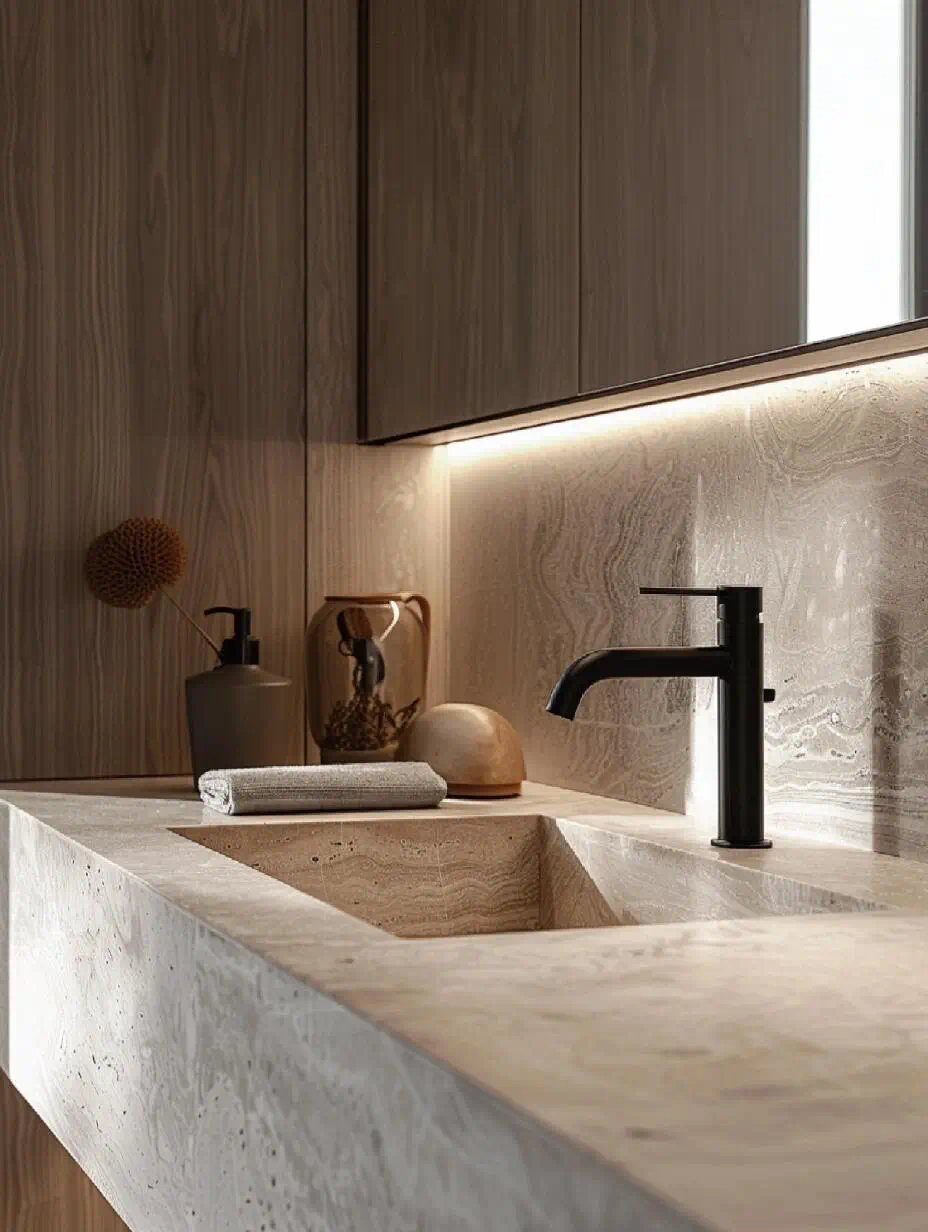
Modern printing and embossing technologies allow engineered decorative panels to replicate the appearance and texture of natural stone with remarkable accuracy.
YAKCO Rock Design Melamine Board captures the essential characteristics of premium stone surfaces, including:
- Natural veining patterns
- Mineral-inspired textures
- Layered color variations
- Authentic tactile depth
Whether inspired by marble, travertine, granite, or slate, the surface delivers a realistic stone aesthetic suitable for contemporary commercial environments.
For end users, what matters most is the overall spatial experience—not necessarily whether the surface originated from a quarry or an engineered decorative panel.
As a result, stone-effect design is increasingly replacing stone-dependent design.
Why Furniture Manufacturers Need Alternatives to Natural Stone
One of the greatest limitations of natural stone is not its appearance—it is its practicality.
In furniture production, natural stone presents several challenges:
Excessive Weight
Stone surfaces significantly increase the weight of furniture components.
This often results in:
- Higher transportation costs
- More complex installation procedures
- Additional structural requirements
Lower Manufacturing Efficiency
Cutting, polishing, and processing stone requires specialized equipment and skilled labor, increasing production complexity.
Higher Cost Volatility
Natural stone prices are influenced by quarry availability, logistics, and processing expenses, making cost management more difficult for large projects.
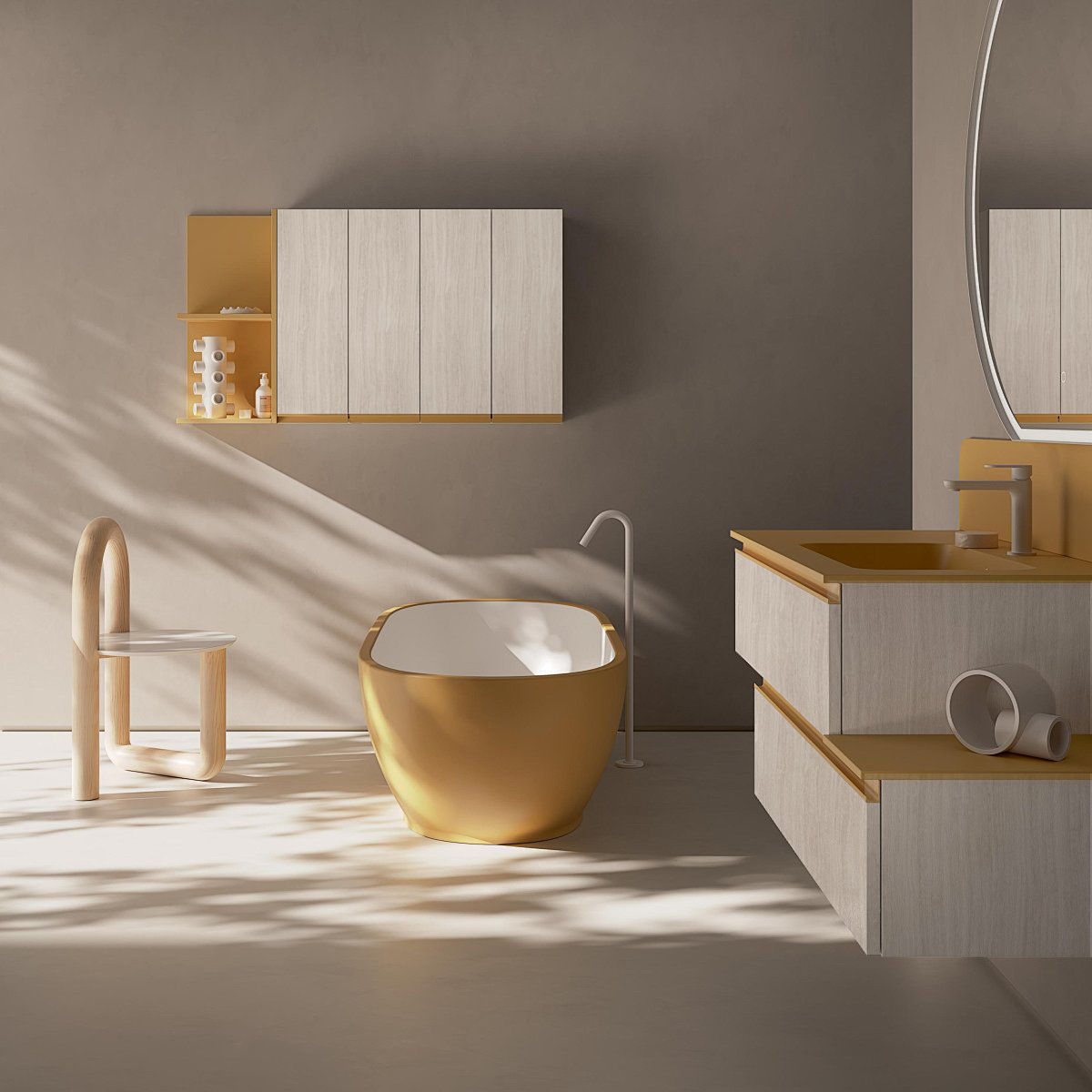
By contrast, YAKCO Rock Design Melamine Board combines the processing advantages of engineered wood panels with the premium appearance of natural stone.
It can be easily applied to:
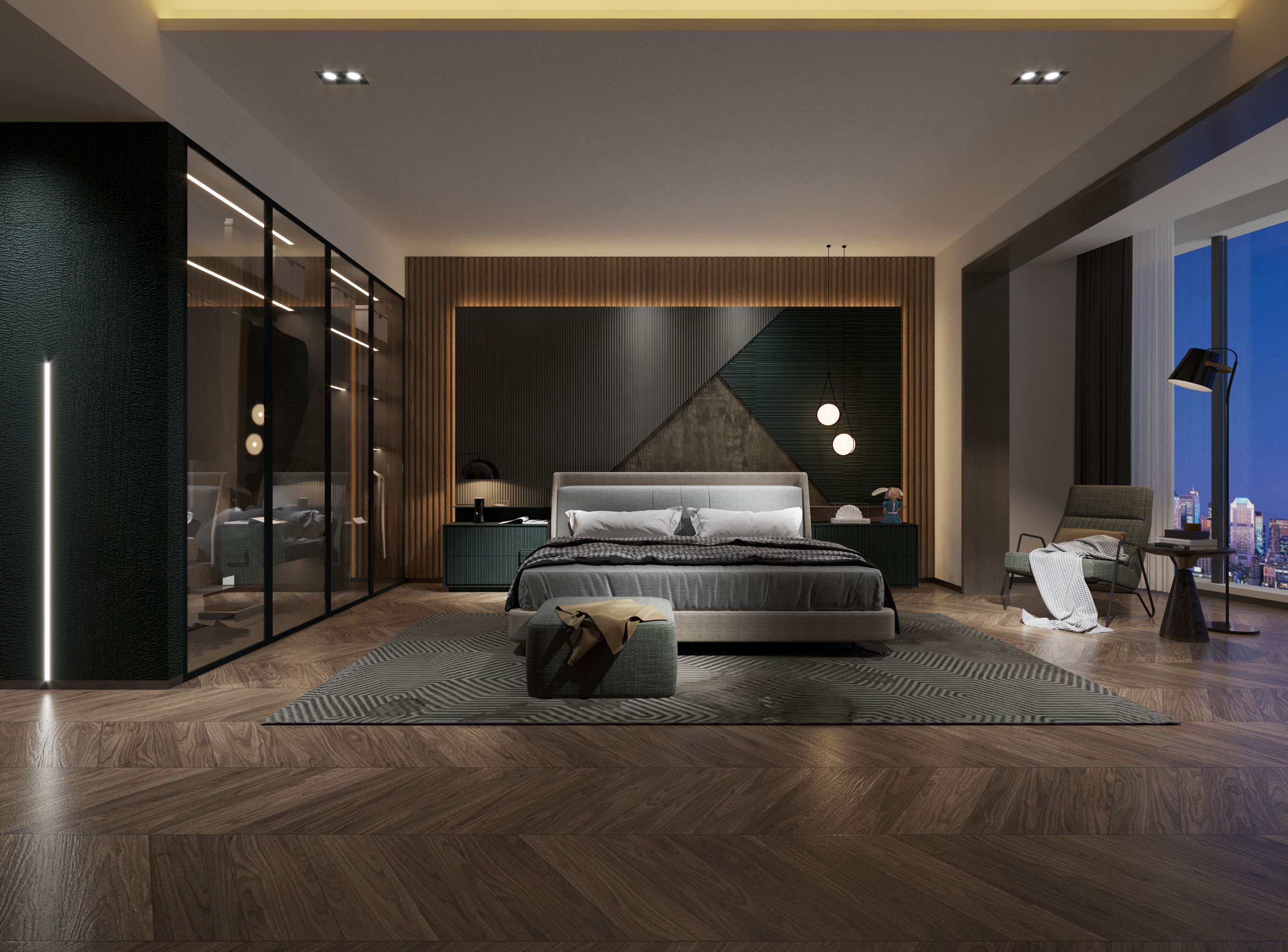
- Wardrobe systems
- Kitchen cabinetry
- Office furniture
- Retail display fixtures
- Hospitality furniture
- Decorative wall systems
This flexibility significantly improves manufacturing efficiency.
Commercial Projects Focus on Total Lifecycle Cost
Today's developers and contractors evaluate materials based on total ownership cost rather than initial purchase price alone.
While natural stone may create a premium appearance, it often generates additional expenses throughout the project lifecycle, including:
- Transportation losses
- Installation costs
- Maintenance requirements
- Future replacement expenses
YAKCO Rock Design Melamine Board offers several economic advantages:
Reduced Transportation Costs
Its lightweight structure lowers logistics expenses.
Faster Installation
Standardized panel systems accelerate project completion.
Lower Maintenance Requirements
The durable melamine surface is easy to clean and maintain.
Consistent Quality
Engineered production minimizes color variation and pattern inconsistency.
For hotels, office buildings, and retail developments, these benefits can contribute directly to improved project profitability.
From Luxury to Scalable Luxury
One of the defining characteristics of natural stone is uniqueness.
However, for international hotel groups, retail chains, and large commercial brands, consistency is often more valuable than uniqueness.
Global brands require:
- Standardized visual identity
- Repeatable design solutions
- Reliable quality control
- Consistent customer experiences
YAKCO Rock Design Melamine Board enables project teams to achieve:
- Uniform surface appearance
- Consistent color performance
- Stable production quality
- Repeatable results across multiple locations
This makes it an ideal material for large-scale commercial rollouts and brand-focused interior projects.
How YAKCO Meets Modern Commercial Demands
YAKCO Rock Design Melamine Board is engineered not only for aesthetics but also for performance.
Key benefits include:
- Scratch resistance
- Wear resistance
- Heat resistance
- Stain resistance
- Easy maintenance
The decorative surface can be combined with multiple substrate options, including:
- MDF
- Particle Board
- OSB
- Plywood
This flexibility allows architects, designers, and furniture manufacturers to select the most suitable solution for different applications and markets.
Conclusion
The future of commercial interiors is no longer defined by the materials used, but by the results achieved.
As the industry shifts from asking “What material should we use?” to “What experience do we want to create?”, natural stone is no longer the only answer.
YAKCO Rock Design Melamine Board successfully combines the visual sophistication of natural stone with the efficiency, consistency, and practicality of engineered decorative panels.
For hotels, offices, retail environments, and custom furniture manufacturers, it represents more than a decorative surface—it is a smarter, more scalable solution for the next generation of commercial interiors.