中文简体
中文简体








Previous Post
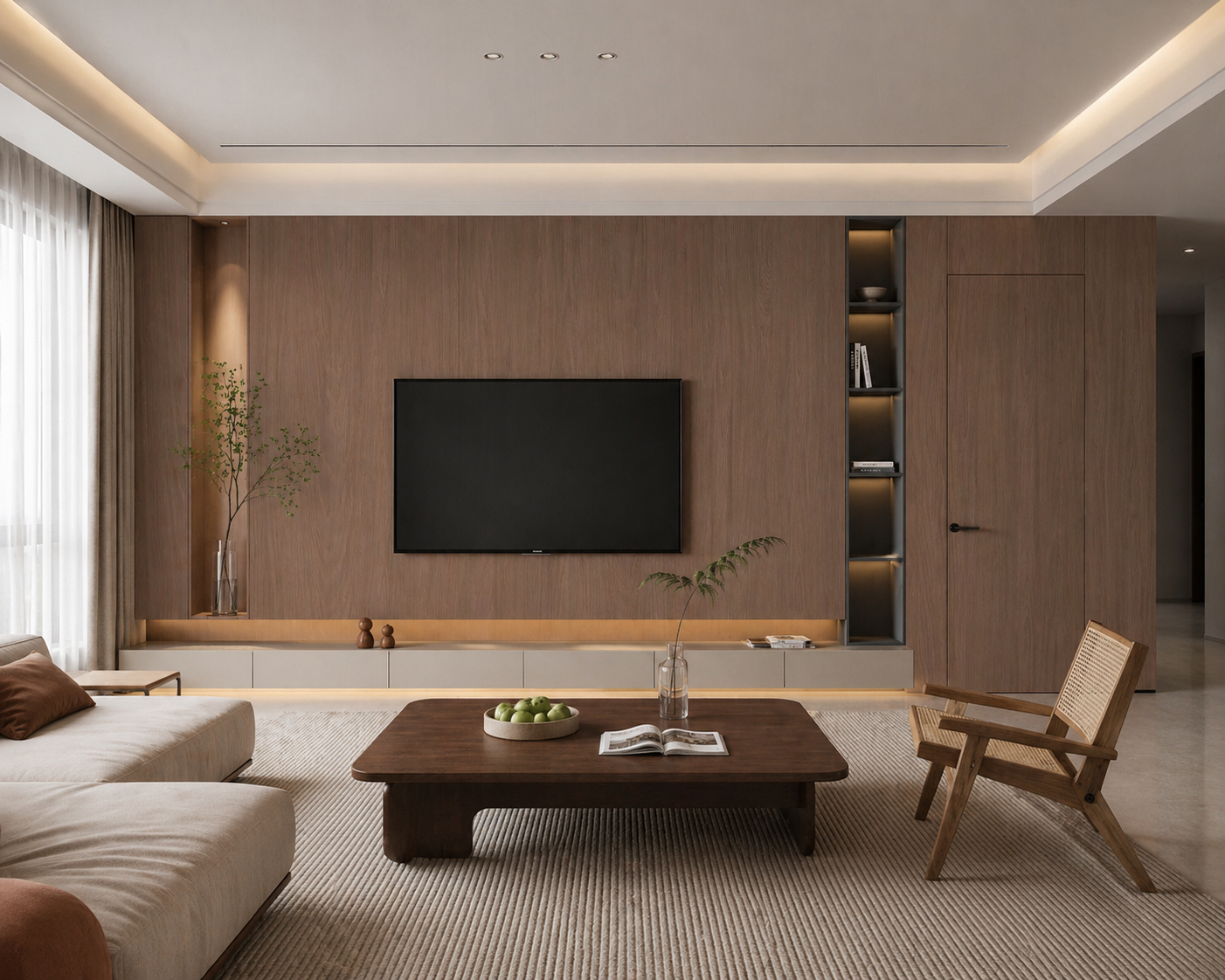
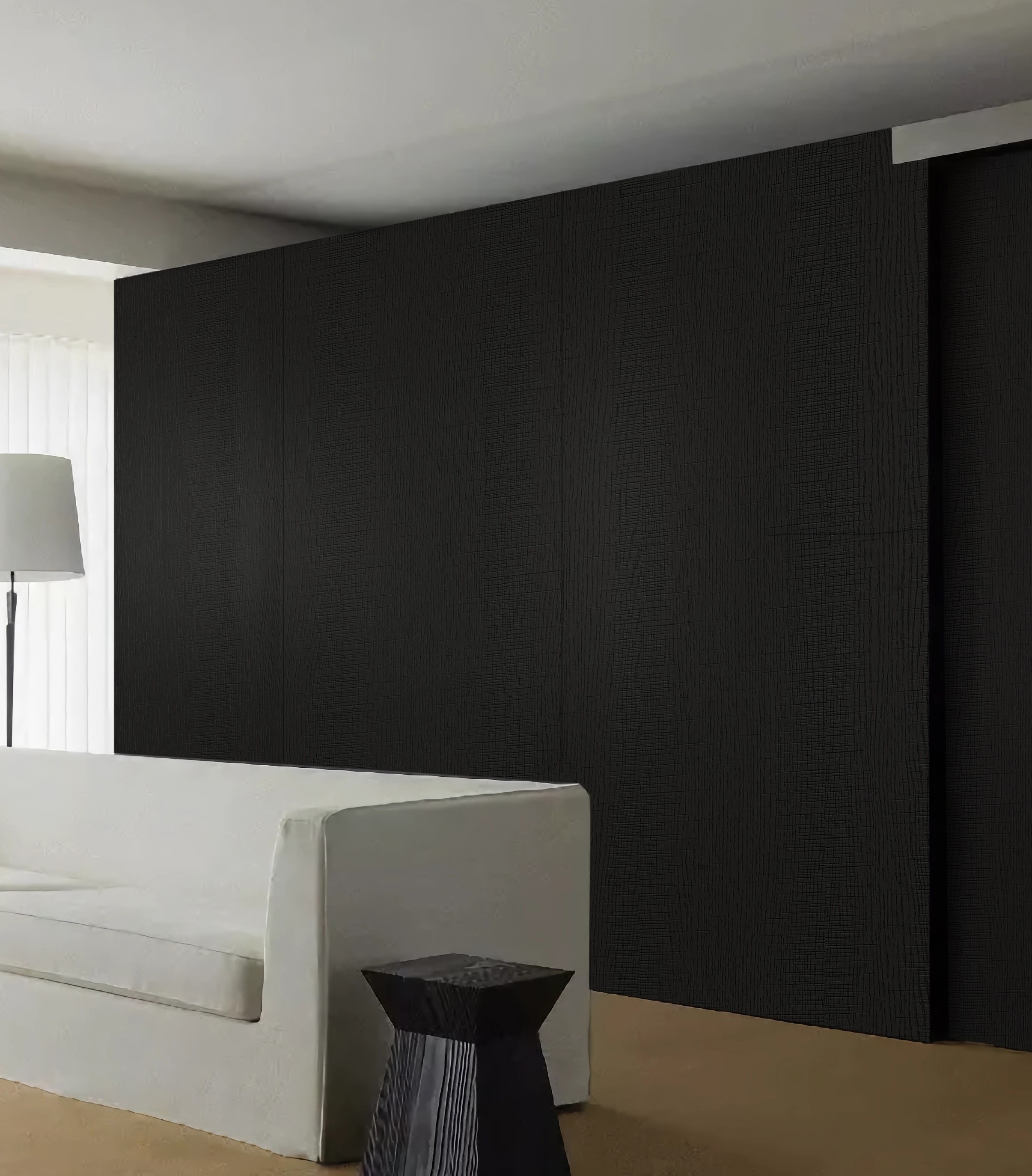
As the global home furnishing and architectural decoration industry enters an era of refined and brand-driven competition, the role of materials is undergoing a fundamental transformation. In the past, decorative panels were largely regarded as basic raw materials. Today, however, a new generation of products—represented by 3D Embossed Wood Panels—is reshaping the value chain from upstream manufacturing to end-user consumption.
Industry Perspective: From “Material Supply” to “Value Output”
In traditional supply chain models, decorative panel manufacturers mainly competed on cost, production capacity, and delivery efficiency, resulting in severe product homogeneity. The emergence of 3D Embossed Wood Panels introduces a much stronger perceived value—recognizable not only by designers but also intuitively appreciated by end consumers.
This shift brings two key transformations:
- Pricing logic upgrade:from “price per panel” to “premium based on design and texture”
- Customer structure evolution:from solely furniture manufacturers to design firms, integrated home furnishing brands, and commercial space clients
In other words, decorative panels are no longer just a link in the supply chain—they are becoming a decisive factor influencing end-user choices.
Manufacturing Transformation: Technological Barriers Widen the Gap
The core competitiveness of 3D Embossed Wood Panels lies in their demanding manufacturing requirements. Compared to traditional flat panels, production is significantly more complex:
- Pattern synchronization:the wood grain printed on decorative paper must perfectly align with the embossed texture
- High-precision equipment:pressing machines require superior stability and accuracy
- Consistent quality:uniform results must be maintained across different production batches
This has ushered the industry into a “technology filtering phase”, where companies with strong R&D capabilities and advanced equipment gain greater market share, while low-end, homogeneous production capacity is gradually phased out.
Channel Restructuring: Digital Marketing Accelerates Market Reach
Unlike traditional panels that rely heavily on offline exhibitions and distributor networks, 3D Embossed Wood Panels demonstrate stronger advantages in digital channels. Their three-dimensional texture and tactile sensory performance can be vividly showcased through short videos and high-definition visuals.
In recent years, companies have expanded their market presence through:
- Short video platforms (TikTok, Instagram) to display realistic texture effects
- Online sample libraries and digital material selection systems to improve decision efficiency
- Cross-border e-commerce platforms targeting overseas small and medium B-end clients
As a “visual-friendly material,” it naturally lends itself to content marketing—reducing customer acquisition costs while enhancing brand awareness.
End-User Trends: Consumers Are Paying for “Tactile Experience”
With consumption upgrading, user demand has shifted from “functional satisfaction” to “experience-first.” Studies show that tactile feel and realism are becoming key factors in material selection.
3D Embossed Wood Panels align perfectly with this trend:
- Dual sensory realism (visual + tactile) enhances spatial immersion
- Replaces natural wood while reducing maintenance costs
- Strong style adaptability to meet diverse aesthetic preferences
Especially in high-end customization and integrated interior solutions, such products are increasingly becoming a standard specification.
Competitive Landscape: From Price Wars to Differentiation
As the market matures, competition in the 3D Embossed Wood Panel industry is undergoing structural change:
- Leading companies:strengthen R&D and original texture design to build brand barriers
- Mid-sized companies:achieve differentiation through niche markets (specific styles or regions)
- Small companies:face dual pressure from technology and cost, with shrinking survival space
In the future, companies with strong design capabilities and consistent quality output will hold a more advantageous position in global competition.
Sustainability: Environmental and Substitution Value
Amid increasingly stringent global environmental regulations, reducing reliance on natural wood has become an industry consensus. 3D Embossed Wood Panels replicate the look and feel of real wood while offering higher resource efficiency.
Their environmental value includes:
- Reduced consumption of natural timber
- Use of renewable or efficiently utilized substrate materials
- Compliance with international environmental certification standards
As a result, they hold strong long-term potential in green building and sustainable design.
Future Outlook: Toward Integration of “Material + Design + Service”
The next stage of competition will extend beyond single products into multi-dimensional capabilities:
- Providing spatial design suggestions and support
- Building digital material selection and rapid sampling systems
- Connecting the application chain from panels to finished furniture
Material manufacturers are gradually transforming into design service providers, participating more deeply in spatial planning and brand expression—upgrading from material supply to value empowerment.
Conclusion
From supply chain upgrades to the reconstruction of consumer experience, 3D Embossed Wood Panels are not just a new material—they are a key driver of industry transformation. Driven by advancements in technology, design, and market demand, they are reshaping the competitive landscape of the decorative panel industry and opening up new avenues for growth.