中文简体
中文简体




Previous Post
Traditional HPL materials are primarily used for furniture such as cabinets and tabletops, as well as wall panels. Their application is similar to that of usual panels, but they are considered more premium and correspondingly more expensive.
Today, decorative materials used in furniture manufacturing are continuously being upgraded. Unlike the past focus on cost-effectiveness and quality, market competition has intensified, prompting customers to pay greater attention to material patterns, textures, and Differential Design. Compared to HPL, melamine impregnated paper has emerged as the preferred choice for many panel manufacturers and furniture producers due to its core advantages: high cost-performance ratio, excellent craftsmanship, versatile adaptability, and diverse decorative effects. It has become the dominant trend in material selection for surface finishes within the industry.
Limitations of HPL:
- Deep-textured HPL lacks natural texture. Due to manufacturing variations, deep-embossed HPL often exhibits a“plastic-like appearance”, particularly in wood grain designs, which are frequently perceived as unnatural and more expensive.
- Moreover, the quality of commercially available HPL products is difficult to guarantee, thereby increasing customers' procurement costs.
How Yakco delivers superior quality compared to HPL:
- Unlike traditional melamine panels, Yakco's panels employ specialized surface treatment technology to achieve identical physical properties to HPL, with enhanced wear resistance, stain resistance, heat resistance, and waterproofing.
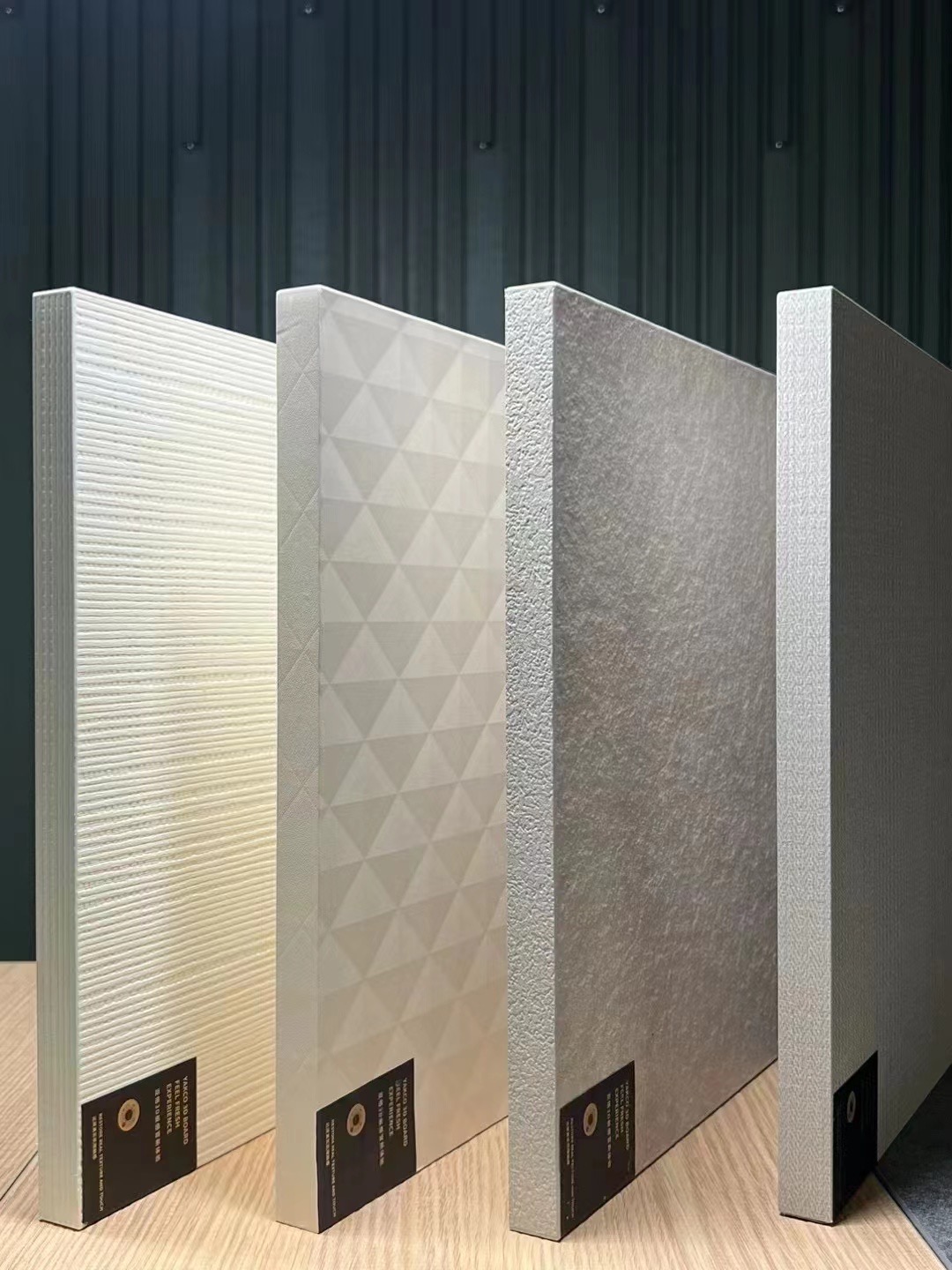
- They feature a more authentic deep embossed pattern and a refined, premium surface texture free from any "plastic feel," making them more eco-friendly and safe.
- Using formaldehyde-free adhesive paired with ABS edge banding, every panel undergoes rigorous quality control across the substrate, surface, and edge banding stages, ensuring each product meets the highest quality standards.
Price Comparison: Deep Melamine Faced Board vs. Premium HPL:
When it comes to production processes and cost control, melamine-impregnated paper holds unparalleled advantages. HPL is manufactured by laminating multiple layers of impregnated paper and decorative paper under ultra-high temperature and pressure—a highly complex process involving intricate steps. Moreover, after initial formation, it requires a separate secondary bonding with the base material, resulting in extended production time and persistently high labor, equipment, and processing costs, making it particularly uneconomical.
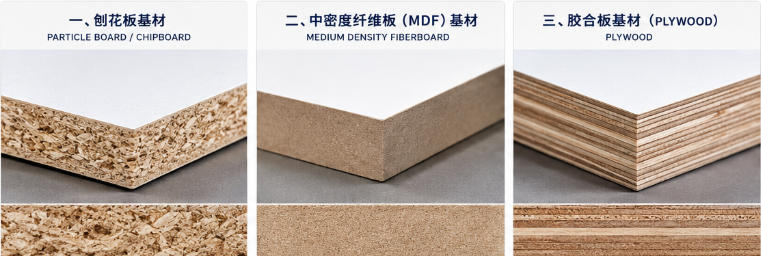
Melamine impregnated paper is significantly simpler in manufacturing: after soaking and drying the decorative base paper with melamine resin, it undergoes direct hot pressing to form one-time compression molding structure with various substrates such as particleboard or MDF. This eliminates the need for multi-layer laminating or secondary processing, substantially reducing production time.
Overall, the price is 30%–50% lower than that of HPL.
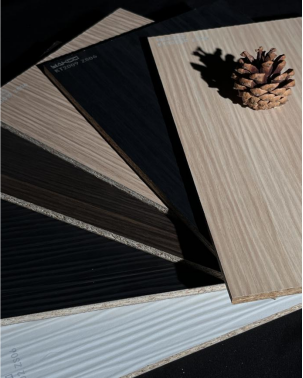
Yakco’s board offers superior decorative effects and greater flexibility in use:
In terms of decorative appeal and functional versatility, melamine-impregnated paper far surpasses HPL. HPL offers a limited range of textures and patterns, with a fixed surface finish that fails to meet today's demand for personalized and diverse interior design solutions.
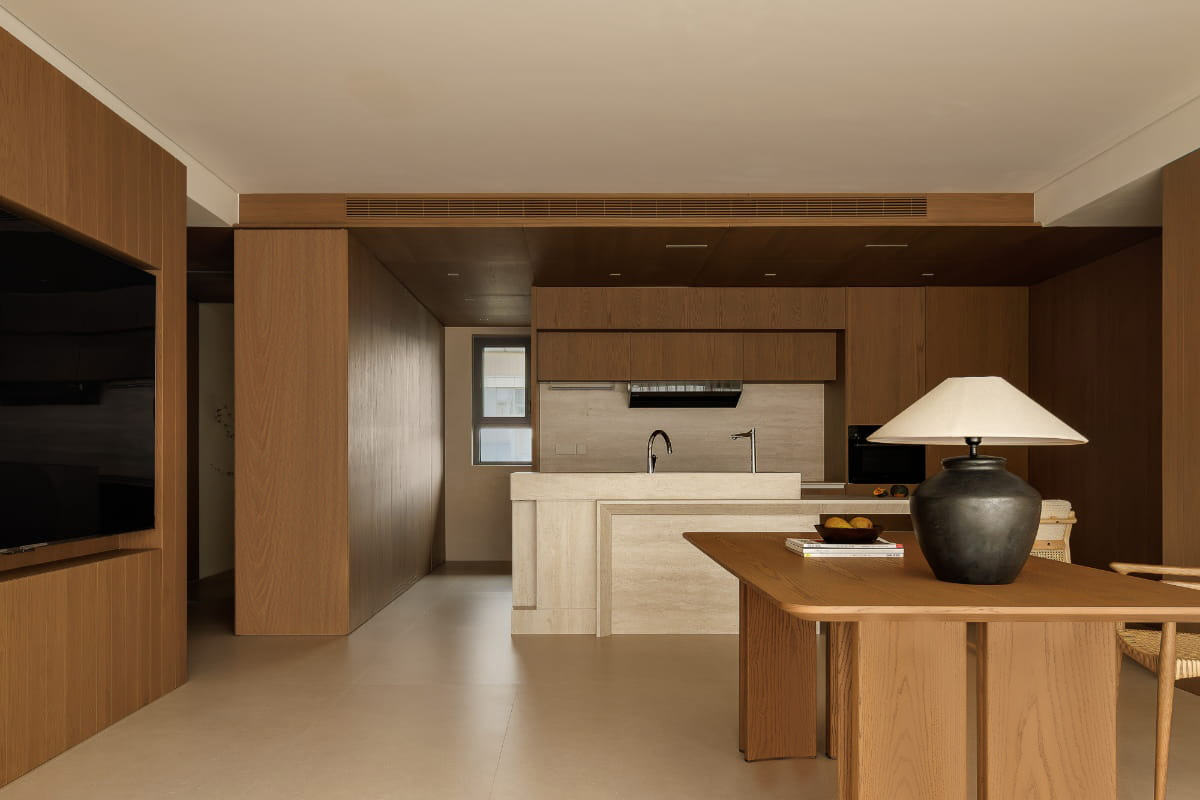
However, melamine impregnated paper is different. Leveraging High-Definition Printing Technology, it perfectly reproduces a wide range of patterns—including solid wood grain, stone patterns, solid colors, and sophisticated luxury designs—with exceptionally fast color updates that keep pace with evolving market aesthetics.
Overall, when considering comprehensive factors such as cost, manufacturing process, aesthetics, and practicality, melamine impregnated paper not only delivers excellent usability and visual appeal but also better aligns with industry trends and market demands—this is precisely why we firmly choose melamine impregnated paper.