中文简体
中文简体





Previous Post
Selecting the correct architectural material for interior cabinetry, wall cladding, and custom furniture manufacturing requires a thorough understanding of decorative panel construction, substrate characteristics, and surface finishes. Melamine boards, widely recognized for their structural versatility and surface resilience, consist of engineered wood substrates bonded with decorative paper impregnated with thermosetting melamine-formaldehyde resin. Modern manufacturing capabilities have expanded the aesthetic range of these panels far beyond traditional solid colors and simple woodgrains. Among these innovations, Rock Design Melamine Board has emerged as an increasingly prominent category, offering the authentic visual character and tactile depth of natural stone, slate, and mineral textures without the immense weight or fabrication complexity of real quarry materials. Classifying melamine boards involves evaluating substrate density, surface texture technology, moisture resistance capabilities, and visual design typologies.
Fundamental Classification by Core Substrate Material
The internal core of a melamine panel determines its structural integrity, screw holding strength, weight distribution, and suitability for specific interior environments. While the outer melamine surface provides protective resistance, the core substrate dictates how the panel responds to mechanical stress, cutting processes, and ambient humidity fluctuations.
Particle Board and Chipboard Cores
Particle board, frequently referred to as chipboard, serves as one of the most widely used substrate materials in commercial furniture production. Constructed from wood chips, sawdust, and synthetic resin binders compressed under high heat and pressure, particle board features a multi-layer structure. The central core consists of larger wood flakes that provide dimensional stability, while the outer surfaces feature finer wood particles that yield a smooth base for resin-impregnated decorative paper.
Melamine faced particle board provides a cost-effective solution for interior cabinetry carcasses, office desks, and modular shelving units. The material offers good dimensional stability across wide panel dimensions, resisting warping when properly edge-banded. However, the internal density distribution of particle board requires specialized fasteners or dowel joinery to achieve optimal load-bearing performance. Standard particle board cores remain sensitive to prolonged water exposure, making them best suited for dry interior applications unless specialized moisture resistant resins are incorporated during manufacturing.
Medium Density Fiberboard Cores
Medium density fiberboard, commonly known as MDF, represents a premium substrate choice for decorative melamine panels. Manufactured by breaking down hardwood or softwood residuals into individual wood fibers, combining them with wax and resin binders, and forming them into panels under elevated temperature and pressure, MDF presents a uniform, homogenous core without internal voids or coarse particles.
The exceptionally smooth surface profile of MDF makes it an outstanding substrate for high-definition decorative papers, particularly complex patterns like Rock Design Melamine Board. When deep textures or synchronized embossing techniques are applied, the high density of the MDF core allows the surface to absorb deep press plate profiles without telegraphing irregularities from the underlying wood fibers. Additionally, MDF offers superior machinability, allowing clean routing, edge shaping, and precise joinery execution without risk of edge chipping.
Plywood and Blockboard Substrates
Plywood and blockboard substrates represent heavy-duty core options for demanding structural applications. Melamine faced plywood consists of multiple thin veneers of wood stacked in alternating grain directions and bonded with structural adhesives. Blockboard features a solid core of softwood blocks sandwiched between outer veneer layers before the melamine paper is applied to the surface faces.
These cross-laminated and solid wood core configurations deliver high tensile strength, exceptional screw retention, and superior resistance to mechanical bending under continuous structural loads. Melamine faced plywood is frequently selected for commercial fixtures, heavy-duty shelving, and high-end residential cabinetry where maximum physical strength is required. The multi-layered wood construction also provides enhanced resistance to ambient humidity compared to standard particle board.
Moisture Resistant and Fire Retardant Specialty Cores
Specialty core formulations are engineered to meet strict building codes and challenging environmental conditions. Moisture resistant substrates, often identified by a green dye added to the internal matrix during production, utilize hydrophobic wax emulsions and moisture resistant resin systems such as melamine-urea-formaldehyde or polymeric diphenylmethane diisocyanate.
Moisture resistant melamine panels maintain structural integrity and resist thickness swelling in high humidity areas such as bathroom vanities, kitchen sink cabinets, and commercial laundry facilities. Fire retardant core panels, frequently tinted with red or grey internal identification dyes, incorporate mineral fire suppressants into the wood fiber mixture. These panels slow flame spread and reduce smoke development, making them suitable for public buildings, hotel corridors, and high-density commercial developments requiring compliance with stringent fire safety regulations.
Aesthetic Surface Finishes and Design Typologies
The surface appearance of a melamine board depends on the printed pattern of the base paper and the optical properties of the cured melamine resin layer. Design typologies range from classic organic patterns to industrial and mineral aesthetics.
Woodgrain and Organic Timber Patterns
Woodgrain melamine boards replicate the visual characteristics of natural timber species including oak, walnut, ash, maple, and teak. Advanced rotogravure and digital printing technologies allow manufacturers to capture subtle tonal variations, natural growth rings, ray medullas, and cathedrals found in genuine wood veneers.
These designs range from light, minimalist Scandinavian pine aesthetics to deep, rich American walnut tones. Woodgrain panels are widely utilized in residential bedroom wardrobes, kitchen cabinetry, and office systems, offering the warm visual appeal of natural timber paired with the easy maintenance and scratch resistance of a cured thermosetting surface.
Natural Stone and Rock Design Melamine Board
Rock Design Melamine Board represents a sophisticated synthesis of raw mineral aesthetics and modern material engineering. This design category includes detailed replications of slate, granite, basalt, schist, travertine, concrete, and fine marble structures. The visual paper incorporates intricate vein patterns, subtle color gradations, and mineral inclusions that mirror genuine geological formations.
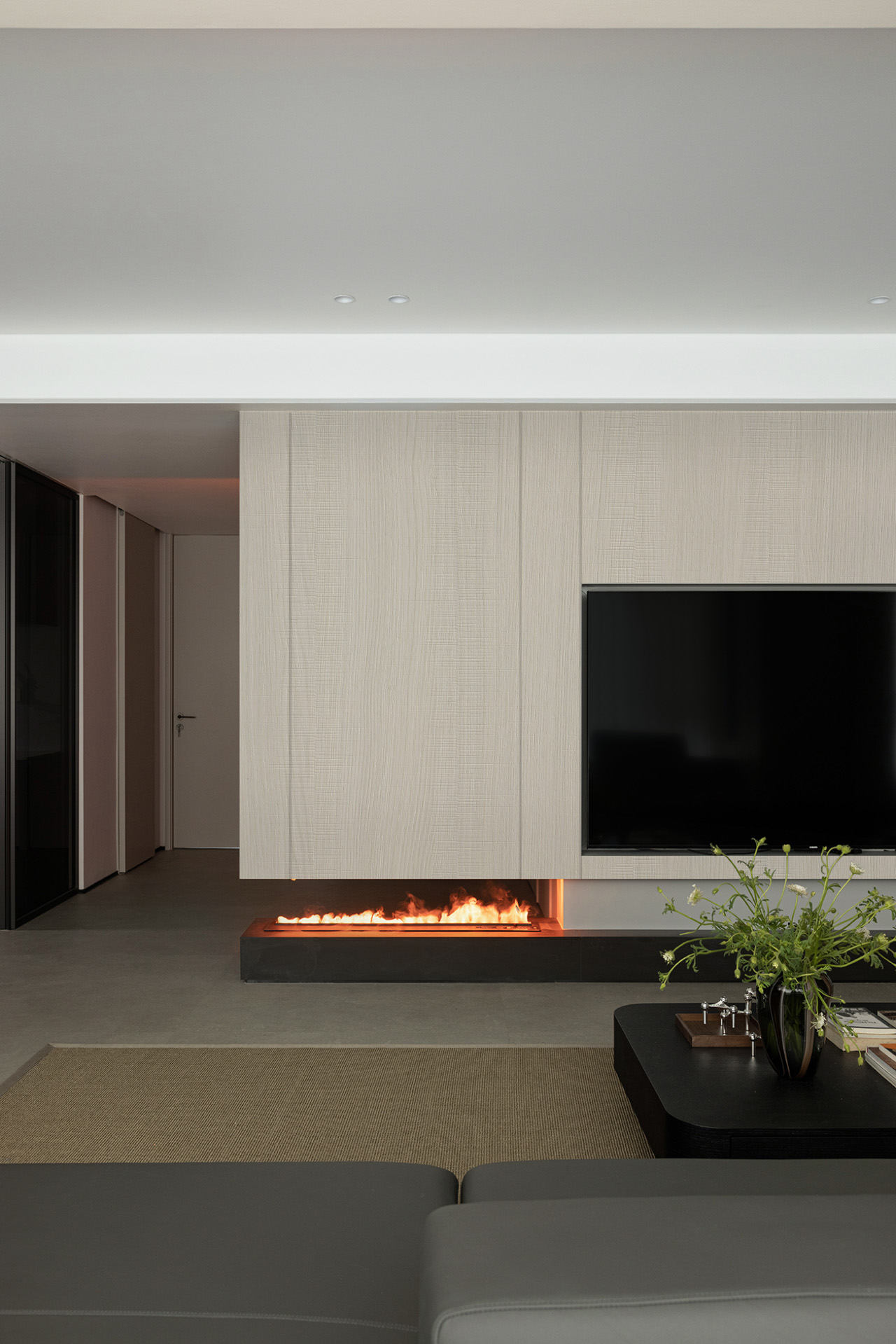
Utilizing a Rock Design Melamine Board allows architects and interior designers to introduce bold, grounding stone aesthetics into interior environments without the structural loading constraints associated with heavy natural stone slabs. These panels provide an ideal balance of visual texture and practical utility, bringing organic architectural character to kitchen islands, feature walls, reception desks, and vertical wall paneling systems. The non-porous nature of the cured melamine surface ensures that stone-look panels resist liquid staining from oils, coffee, and household chemicals, which often discolor genuine unsealed rock surfaces.
Solid Colors and Monochrome Finishes
Solid color melamine boards provide clean, uniform visual fields essential for contemporary minimalist architecture. The color spectrum spans from clean crisp whites and warm creams to deep charcoal, navy, and matte black tones. Pastel shades and vibrant primary colors are also produced for educational facilities and specialized commercial projects.
Monochrome melamine panels rely heavily on the quality of the surface texture to define their visual character. A solid color panel finished with an ultra-matte press plate creates a soft, tactile surface that absorbs light, whereas a high-gloss finish generates reflective surfaces suitable for modern commercial retail environments.
Metallic and Fabric Textured Surface Designs
Specialty design typologies expand creative possibilities by mimicking woven textiles and industrial metals. Fabric-patterned melamine boards reproduce the delicate appearance of linen, canvas, or tweed, offering soft, tactile visual appeal for the internal linings of luxury bedroom wardrobes and walk-in closets.
Metallic-look melamine panels incorporate pearlescent inks and reflective pigments to simulate brushed aluminum, oxidized copper, bronze, and raw steel. These industrial finishes are frequently selected for modern retail display systems, corporate office accents, and bar fronts, delivering a sleek architectural aesthetic that cleans easily and maintains surface consistency over years of continuous use.
Surface Texture and Embossing Mechanics
The realism and physical feel of a melamine board depend heavily on the embossing technology used during the thermal lamination process. When the resin-impregnated paper is pressed onto the substrate under heat and pressure, specialized steel press plates imprint physical textures into the curing melamine layer.
Synchronized Embossed in Register Technology
Synchronized Embossed in Register technology, commonly abbreviated as EIR, represents a high level of surface realism in decorative panel manufacturing. In standard texturing, a generic surface roughness is applied uniformly across the panel regardless of the printed image beneath. In contrast, EIR technology precisely aligns the physical grooves, pores, and ridges of the steel press plate with the printed visual pattern of the paper.
When applied to a Rock Design Melamine Board, synchronized embossing ensures that every visual mineral fissure, stone cleft, or slate grain line corresponds exactly to a physical indentation on the board surface. Light reflects off the panel in direct alignment with the visual texture, creating an authentic three-dimensional surface that closely simulates genuine cleft stone or natural timber.
Smooth, Satin, and Matte Press Plates
Non-directional surface textures offer versatile optical effects for both solid colors and abstract patterns. Smooth satin finishes deliver a subtle, low-sheen surface that feels pleasant to the touch and cleans effortlessly, making it a reliable standard for interior cabinet carcasses.
Ultra-matte textures have gained significant popularity in contemporary interior design. These surfaces diffuse light evenly, eliminating harsh glare and reducing the visibility of fingerprints and smudge marks on dark surfaces. Ultra-matte press plates applied over dark stone patterns enhance the natural, unpolished character of raw slate or concrete visuals.
Deep-Structured Slate and Tactile Stone Textures
Deep-structured press plates are specifically engineered to impart heavy physical texture into the melamine surface layer. These plates feature pronounced elevation changes that create deep valleys, rough clefts, and granular mineral fields.
When combined with stone visual papers, deep-structured plates produce panels with remarkable tactile depth. The deep texture creates dynamic highlights and shadows across the panel face as room lighting changes throughout the day. Despite the pronounced surface relief, the non-porous cured resin layer ensures that dust and ambient grime can be wiped away using standard non-abrasive cleaning methods.
|
Melamine Board Category |
Primary Substrate Options |
Common Surface Finishes |
Relative Scratch Resistance |
Recommended Application Environments |
|---|---|---|---|---|
|
Woodgrain Decorative Boards |
Standard Particle Board, MDF, Plywood |
Synchronized Timber Pore, Satin Woodgrain, Matt |
Moderate to High |
Bedroom Wardrobes, Office Desks, Kitchen Cabinets |
|
Rock Design Melamine Board |
High-Density MDF, Moisture Resistant Particle Board |
Deep Slate Cleft, Synchronized Stone, Rough Concrete |
High |
Kitchen Islands, Feature Walls, Reception Desks |
|
Solid Color Architectural Boards |
Standard Particle Board, MDF |
Ultra-Matte, High Gloss, Micro-Peen |
Moderate |
Cabinet Carcasses, Retail Displays, Interior Doors |
|
Fabric Patterned Interior Boards |
Particle Board, Standard MDF |
Woven Linen Texture, Soft Touch Matte |
Moderate |
Wardrobe Interior Linings, Drawer Boxes, Shelving |
|
Heavy-Duty Structural Panels |
Birch Plywood, Solid Blockboard |
Textured Satin, High Impact Matte |
High |
Commercial Fixtures, Utility Worktables, Storage Racks |
Structural Advantages and Functional Performance Characteristics
Understanding the performance characteristics of melamine boards helps specifiers select appropriate materials based on environmental demands, physical wear expectations, and maintenance requirements.
Surface Resistance to Scratches, Thermal Stress, and Moisture
The primary functional benefit of a melamine board lies in its fully cured surface layer. During the hot-press lamination process, which typically operates between one hundred eighty and two hundred twenty degrees Celsius with pressures exceeding twenty bars, the liquid melamine-formaldehyde resin undergoes irreversible chemical cross-linking.
This thermosetting process creates a hard, dense surface barrier that exhibits high resistance to surface scratches, light impacts, and daily abrasion. The non-porous resin face also protects against common liquid spills such as water, fruit juices, alcohol, and mild cleaning solutions. Additionally, cured melamine surfaces demonstrate good thermal stability, resisting localized heat from warm dinnerware or hot cups without scorching or blistering, provided direct contact with red-hot cookware is avoided.
Weight Efficiency Compared to Real Stone and Solid Wood
Weight management is a critical factor in structural engineering and interior spatial design. Natural stone slabs, such as granite or slate, impose massive structural dead loads on building floor plates and require specialized steel support frameworks, heavy lifting equipment, and diamond-tipped cutting tools for installation.
Using a Rock Design Melamine Board provides a substantial reduction in material weight while achieving an equivalent visual effect. A standard nineteen-millimeter MDF-cored melamine panel weighs a fraction of a natural stone slab of equal thickness. This dramatic weight reduction simplifies transportation, speeds up on-site installation, allows the use of standard concealed cabinet hinges, and permits decorative wall cladding on standard metal stud partitions without structural reinforcement.
Maintenance and Cleaning Protocols
Maintaining melamine boards requires simple cleaning practices due to the non-porous nature of the protective resin layer. Daily maintenance involves wiping the surface with a soft microfiber cloth dampened with warm water and a neutral, non-abrasive household detergent.
Because the surface resin does not absorb liquids, stains do not penetrate into the core substrate unless edge seals are compromised. Abrasive cleaning pads, steel wool, highly acidic descalers, and strong alkaline solvents should be avoided, as these can dull the protective clear resin layer or micro-scratch matte surface finishes over time. For deep-structured textures found on stone-look panels, a soft-bristled brush can be used occasionally to remove dust build-up from deep grain crevices.
Application Scenarios Across Residential and Commercial Spaces
The diversity of substrate options and surface aesthetics enables melamine boards to fulfill both decorative and functional roles across various interior typologies.
Modern Kitchen Cabinetry and Countertop Elements
In residential kitchen design, melamine panels serve as the primary material for cabinet carcasses, drawer boxes, and vertical door fronts. The material provides a stable, easy-to-clean environment for food storage and kitchenware.
Incorporating Rock Design Melamine Board into kitchen architecture has become a prominent trend in modern open-plan homes. Vertical cabinet fronts clad in dark slate or concrete textures contrast elegantly with smooth solid color surfaces or warm timber accents. Waterfall kitchen island wraps constructed with stone-look melamine panels deliver a bold architectural anchor to the living space while maintaining high resistance to daily splashes and light bumps from barstool seating.
Architectural Feature Walls and Retail Display Systems
Commercial spaces, hotel lobbies, and corporate offices utilize decorative melamine panels to create striking architectural feature walls and brand environments. Large-format panels offer a seamless visual continuity across expansive wall surfaces.
Using a Rock Design Melamine Board for lobby feature walls or elevator surrounds introduces the sophisticated ambiance of raw stone at a fraction of the installation timeline required for masonry construction. Integrated concealed hanging systems allow panels to be mounted securely onto perimeter walls, creating clean reveal joints between panels. Retail display systems benefit from the durability of melamine surfaces, which withstand frequent restocking and heavy customer interaction without showing excessive surface wear.
Modular Wardrobes and Custom Commercial Furniture
Custom closet systems, residential bedroom wardrobes, and commercial office furniture rely on melamine boards for structural frameworks, internal partitions, and exterior doors. The dimensional stability of engineered wood cores ensures that tall wardrobe doors remain flat over time when properly supported by appropriate hardware.
Using fabric-textured melamine panels for internal wardrobe linings creates a luxurious, soft-looking backdrop for clothing storage. In office environments, melamine-faced desks and conference tables provide durable work surfaces that resist pen marks, coffee stains, and laptop scuffs, maintaining a professional appearance throughout years of continuous commercial use.
Essential Selection Standards and Quality Indicators
Ensuring long-term satisfaction with a melamine board installation requires evaluating manufacturing certifications, environmental emissions ratings, and edge finishing quality.
Formaldehyde Emission Classifications and Air Quality Standards
Indoor air quality represents a key health considerations in residential and commercial interior construction. Synthetic resins used in engineered wood cores and melamine impregnation contain formaldehyde compounds that can off-gas over time if not properly manufactured and sealed.
Specifiers should look for panels compliant with recognized international emission standards. European classifications designate E1 as the baseline standard for safe indoor use, while E0 and Super E0 represent significantly lower emission levels. In North America, compliance with the California Air Resources Board Phase 2 regulations and the Environmental Protection Agency TSCA Title VI standard ensures that raw panel formaldehyde emissions remain well within safe thresholds for indoor living spaces. Fully encapsulating the core with melamine faces and proper edge banding further restricts potential off-gassing.
Edge Banding Technologies and Sealing Methods
The long-term performance and moisture resistance of any melamine board depend directly on the quality of its edge protection. Raw substrate edges exposed during cutting operations must be completely sealed to prevent moisture ingress and mechanical damage.
Modern edge banding utilizes plastic edging strips made from Acrylonitrile Butadiene Styrene or Polyvinyl Chloride, applied using high-performance hot-melt adhesives. Polyurethane hot-melt adhesives, commonly referred to as PUR, offer superior heat and water resistance compared to standard ethylene-vinyl acetate glues, forming a tough, chemical bond that prevents water penetration at cabinet edges. Advanced laser edge banding technology fuses the edge strip directly to the board substrate using a color-matched functional layer, creating an almost invisible zero-joint seam that maximizes both aesthetic appeal and moisture protection.