中文简体
中文简体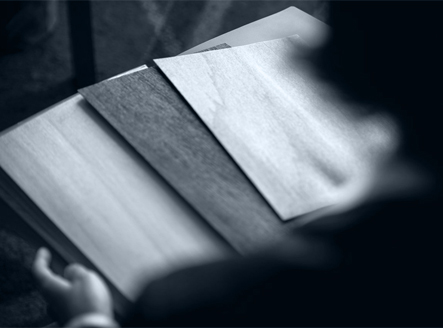





Previous Post
What Melamine Particle Board Is and Whether It Is Right for Your Project
Melamine Particle Board is a Furniture Grade Particle Board core panel surfaced on both faces with a decorative melamine resin paper that is permanently bonded to the chipboard substrate under heat and high pressure, creating a Decorative Board product that is ready for direct use in furniture, cabinetry, shelving, and interior fit-out without any additional painting or laminating. It is sold commercially under several names including Melamine Board, MFC Board (Melamine Faced Chipboard), and Laminated Chipboard, all of which refer to the same fundamental product category.
For the vast majority of indoor furniture and cabinet applications, Melamine Particle Board is durable, cost-effective, and the correct specification choice. Its Scratch-resistant surface resists daily wear from dishes, objects, and cleaning, its wide range of colors and wood-grain decors enables any aesthetic direction, and its consistent flat surface eliminates the priming and painting costs that solid timber or MDF products often require. When sourced at E1 or E0 Formaldehyde Grade from a responsible manufacturer, it is also safe for residential use including children's bedrooms and kitchens according to the international standards EN 717-1 (Europe), CARB Phase 2 (United States), and JIS A 5908 (Japan).
This guide answers every practical question buyers, designers, specifiers, and wholesale sourcing professionals have about Melamine Particle Board, MFC Board, and related Indoor Project Board products, including how to choose colors for modern kitchen cabinets, how to evaluate MFC Board manufacturer claims from China, and when to specify Moisture-resistant Melamine versus standard grade.
What Is MFC Board (Melamine Faced Chipboard): Construction and Manufacturing Process
MFC Board (Melamine Faced Chipboard) begins its production life as a particle board core, manufactured by bonding wood particles (wood chips, shavings, and sawdust recovered from timber processing) with a urea-formaldehyde (UF) or melamine-urea-formaldehyde (MUF) resin adhesive under heat and pressure in a continuous or batch press. The resulting Furniture Grade Particle Board core has a homogeneous structure with consistent density and excellent dimensional stability compared to solid timber, which is subject to seasonal expansion and contraction with humidity changes.
The High-Pressure Lamination Process That Creates the Melamine Surface
The defining manufacturing step that converts raw Furniture Grade Particle Board into MFC Board (Melamine Faced Chipboard) is the lamination of the decorative melamine paper onto the core surface. This process, known as short-cycle pressing or high-pressure lamination, involves:
- A decorative paper printed with the desired color, woodgrain, or pattern is impregnated with melamine resin in a resin impregnation line. The resin loading is typically 120 to 150 grams per square meter for the decorative layer and 80 to 120 grams per square meter for the backing paper.
- The impregnated decorative paper is laid on the face of the particle board core, and an impregnated backing paper is placed on the reverse face to balance the panel and prevent warping.
- The assembly is placed in a short-cycle hot press at temperatures of 160 to 200 degrees Celsius and pressures of 25 to 35 kg/cm² for 30 to 60 seconds. The heat causes the melamine resin to flow and then cure to a hard, thermoset state, permanently bonding the paper to the core surface and forming the Scratch-resistant surface that distinguishes MFC Board from raw chipboard.
- The finished Melamine Particle Board panel is cooled, trimmed to size, quality inspected, and either cut to order or stacked for distribution.
The high-pressure lamination process creates a surface with Brinell hardness typically above 20 N/mm² and abrasion resistance exceeding 100 cycles on the Taber abrasion test (EN 14322), making the MFC Board surface harder and more resistant to surface scratching than standard paint or varnish finishes applied to MDF or solid wood.
Standard Panel Dimensions and Core Density
Standard MFC Board (Melamine Faced Chipboard) sheets are produced in the following formats across most markets:
- Standard sheet size: 2440 mm x 1220 mm (8 foot x 4 foot) for most global markets; 2800 mm x 2070 mm and 2800 mm x 2100 mm formats are standard in European manufacturing for kitchen and wardrobe cabinet production.
- Thickness range: 8 mm, 12 mm, 15 mm, 16 mm, 18 mm, 25 mm, and 30 mm are the most common commercial thicknesses. 18 mm Melamine Particle Board is the dominant specification for furniture carcasses, cabinet sides, shelves, and drawer bases in residential and commercial furniture manufacture worldwide.
- Core density: Standard Furniture Grade Particle Board core density is 620 to 720 kg/m³. High-density options at 720 to 780 kg/m³ are available for applications requiring enhanced Screw-holding power, such as frameless cabinet construction where the carcass box relies entirely on screws and dowels in the panel face and edge for structural integrity.
- Surface texture: Available in woodgrain texture (simulating the raised grain of real timber), super-matte (low reflectance, fingerprint-resistant), gloss (high-reflectance mirror finish), and through-color solid surface. The woodgrain texture is produced by an embossed pressing plate in the short-cycle press that imprints the texture into the melamine surface simultaneously with the lamination.
Difference Between Melamine Particle Board and MDF: Which to Choose
The difference between melamine particle board and MDF is one of the most commonly asked questions in furniture and interior design procurement. Both are engineered wood panel products manufactured from wood fiber bonded with resin adhesive, but their internal structure, density, mechanical properties, and ideal applications differ significantly. Choosing incorrectly between these two materials for a given application results in either unnecessary cost (if MDF is specified where Melamine Particle Board would perform equally well) or structural inadequacy (if Melamine Particle Board is specified where MDF's homogeneous density is required for edge routing or profiling).
Internal Structure and Density Comparison
Melamine Particle Board uses coarse and medium-sized wood particles as its core material, producing a panel with a slightly textured internal structure. This structure is excellent for flat-faced panel applications but has limitations for routing and profiling of edges and surfaces because the particles create a rough edge profile that cannot be finished to the smooth, paint-ready profile achievable with MDF.
MDF (Medium Density Fiberboard) uses very fine wood fiber as its core material, creating a homogeneous, smooth internal structure that can be routed, carved, and profiled to precise shapes with crisp edges and surfaces that accept paint or lacquer without additional filling. MDF surface density is typically 720 to 860 kg/m³, higher than most standard Furniture Grade Particle Board, which makes MDF heavier per unit volume but also gives it a denser, more machining-friendly surface.
Melamine Particle Board vs MDF: Direct Comparison
| Property | Melamine Particle Board | MDF |
|---|---|---|
| Core material | Wood particles (chips, shavings) | Fine wood fiber |
| Typical density | 620 to 720 kg/m³ | 720 to 860 kg/m³ |
| Surface finish (factory) | Melamine laminate, ready to use | Bare or pre-primed, requires finishing |
| Edge routing capability | Limited (rough particle edge) | Excellent (smooth, crisp profiles) |
| Screw-holding power | Good in face; moderate in edge | Good in face; good in edge |
| Weight (18 mm) | approx. 11 to 13 kg/m² | approx. 13 to 15.5 kg/m² |
| Cost (relative) | Lower | Higher (15% to 35% premium) |
| Moisture resistance | Standard or moisture-resistant grade | Standard or moisture-resistant grade |
| Best application | Flat panel furniture carcasses, shelving | Routed doors, profiled moldings, painted panels |
The practical conclusion from this comparison is clear: use Melamine Particle Board (MFC Board) for flat-panel cabinet carcasses, shelves, drawer boxes, and back panels where the surface is the decorative finish; use MDF where shaped, routed, or profiled components such as cabinet doors with decorative edge profiles or painted panel inserts are required. Many kitchen cabinet manufacturers combine both products in the same product line: Melamine Particle Board for the carcass and drawer components (where it is more economical and equally functional), and MDF for the doors (where the routing capability of MDF is needed for shaker-style or profiled door edges).
E1/E0 Formaldehyde Grade: What It Means and Why It Matters for Indoor Projects
The E1/E0 Formaldehyde Grade designation is the single most important health and environmental specification for any Melamine Particle Board, MFC Board, or Indoor Project Board product used in enclosed spaces. Formaldehyde is used as the crosslinking agent in the urea-formaldehyde (UF) resin adhesive that binds the wood particles in the chipboard core, and residual unreacted formaldehyde slowly off-gasses from the panel throughout its service life. In poorly ventilated spaces containing large amounts of non-compliant board, formaldehyde concentrations can reach levels associated with respiratory irritation, eye irritation, and in long-term high exposures, increased cancer risk.
Formaldehyde Emission Standards by Grade
| Grade | Maximum Emission (mg/m³ air, chamber method) | Applicable Standard | Market |
|---|---|---|---|
| E2 | Above 0.12 to 1.0 mg/m³ | EN 13986 (legacy) | Not acceptable for interior use in EU since 2023 |
| E1 | 0.10 mg/m³ (new EN 2023 limit) | EN 717-1, EN 13986 | EU minimum for construction products |
| CARB Phase 2 | 0.09 ppm (particleboard) | CARB 93120 | United States mandatory |
| E0 | 0.05 mg/m³ | EN 717-1 (enhanced), JIS A 5908 F | Premium grade, children's furniture, medical |
| ENF (Formaldehyde Free) | 0.025 mg/m³ or below background level | CARB NAF/ULEF categories | Ultra-premium, healthcare, nursery |
Which Grade to Specify for Each Indoor Project Application
For standard residential furniture and cabinet projects in well-ventilated rooms, E1 Formaldehyde Grade Melamine Particle Board meets all regulatory requirements in Europe and most global markets and is the correct specification for the majority of Indoor Project Board applications. E1 grade from reputable manufacturers tested under EN 717-1 chamber method produces measured room concentrations well below the WHO indoor air quality guideline of 0.1 mg/m³ when the furniture is used in a normally ventilated residential room.
For children's bedroom furniture, nurseries, playrooms, healthcare environments, and any project where the ventilation rate is low or the total installed board area per room volume ratio is high (such as a fitted wardrobe filling an entire wall in a small bedroom), specify E0 Formaldehyde Grade or products certified under the Japanese F (four stars) standard, which requires formaldehyde emissions below 0.5 mg/L per the perforator method and is widely recognized as the most conservative mainstream formaldehyde standard for residential use.
Eco-friendly melamine faced chipboard for interior design projects targeting LEED, BREEAM, or WELL building certification typically requires E0 or ENF (No Added Formaldehyde) certification, along with FSC or PEFC certification of the wood fiber used in the chipboard core, confirming responsible forest management of the source material.
Moisture-Resistant Melamine and Scratch-Resistant Surface: Technical Properties That Matter
Two surface and substrate properties of Melamine Particle Board deserve detailed attention because they are frequently misunderstood in specifications and create costly failures when incorrectly specified: moisture resistance and surface hardness. Understanding what these properties mean technically, how they are tested, and which grade is appropriate for each application prevents specification errors that result in swollen panels, peeling surfaces, and premature furniture failure.
Moisture-Resistant Melamine: What the Green Core Actually Delivers
Moisture-resistant Melamine Particle Board (also called MR grade or P3 grade under EN 312) is produced by adding hydrophobic additives and using a melamine-urea-formaldehyde (MUF) or phenol-formaldehyde (PF) resin system in the core bonding adhesive rather than the standard urea-formaldehyde (UF) resin used in standard P2 grade Furniture Grade Particle Board. The green color of the core in commercial MR boards is produced by a green dye added to the resin mix specifically to allow visual identification of the moisture-resistant grade from a cut edge, rather than any functional property of the color itself.
It is critical to understand what Moisture-resistant Melamine does and does not provide:
- What it does: Reduces the rate and degree of thickness swelling when the panel edge or surface is exposed to high humidity or splashed water. Standard P2 Furniture Grade Particle Board swells up to 12% to 14% in thickness after 24 hours of water immersion. Moisture-resistant P3 grade swells no more than 6% under the same test (EN 317 24-hour immersion test). This improved resistance prevents the edge swelling and surface bubbling that occurs in standard board when used in kitchens, bathrooms, and laundry areas where water contact is likely.
- What it does not do: Moisture-resistant Melamine is not waterproof. Prolonged immersion or continuous wetting of the cut edge will still cause eventual swelling and delamination. It is suitable for high-humidity environments and intermittent splash exposure but not for external use, areas of continuous water contact such as inside sink cabinet bases that regularly collect standing water, or shower enclosures.
For kitchen base cabinets, bathroom vanity units, laundry furniture, and any Indoor Project Board application within 600 mm of a water source, Moisture-resistant Melamine (P3 grade or MR grade) should be specified as the minimum, with all exposed edges sealed with edge banding and all cut edges at the base of cabinets protected with silicone or waterproof sealant.
Scratch-Resistant Surface: Testing, Grades, and Real-World Performance
The Scratch-resistant surface of Melamine Particle Board is its most visible and commercially important property for kitchen, office, and residential furniture applications where daily abrasive contact is the primary surface wear mechanism. The hardness of the melamine surface is assessed using two standard tests:
- Brinell hardness (EN ISO 4486-2): A steel ball is pressed into the surface under a defined load. Quality Melamine Particle Board achieves Brinell hardness above 20 N/mm², compared to 15 to 18 N/mm² for a standard lacquered wood surface and 8 to 12 N/mm² for a standard paint finish on MDF.
- Taber abrasion resistance (EN 14322): A weighted abrasive wheel is rotated against the surface for a set number of cycles. Premium MFC Board achieves abrasion resistance above 150 cycles (IP class or initial point where the surface pattern is visibly damaged), with high-wear applications specifying 350 cycles or above (RP class, which is the class used for kitchen worktops and flooring-grade laminated boards).
For furniture and cabinet applications (not worktops), standard MFC Board with an IP abrasion class (100 to 150 cycles minimum) is the appropriate specification. For horizontal surfaces such as desktop tops and dining table surfaces that receive direct abrasion from items being slid across the surface, specifying a board with 200 to 350 cycle abrasion resistance provides meaningful additional service life.
Best Melamine Board Colors for Modern Kitchen Cabinets
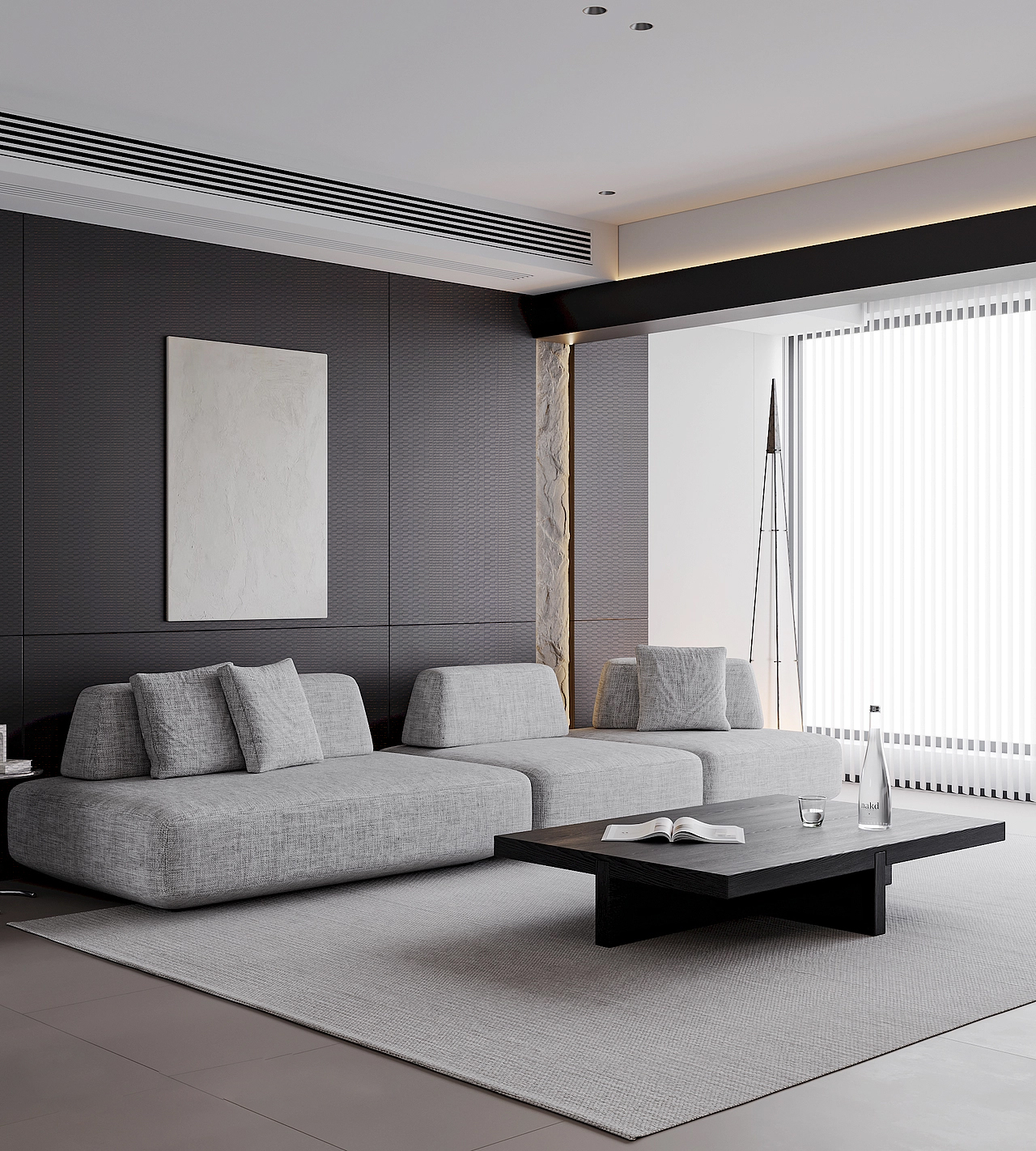
The best melamine board colors for modern kitchen cabinets are a practical question that combines color psychology, interior design trend awareness, and the specific functional requirements of the kitchen environment. The range of available Melamine Board decors from leading manufacturers numbers in the hundreds, but the colors and finishes that consistently perform best in modern kitchen design cluster into identifiable categories.
The Five Dominant Color and Finish Directions in Modern Kitchen Melamine Board
- Super-matte white and off-white: The most commercially dominant Melamine Board specification for modern kitchen cabinets across all price points globally. Super-matte white provides a clean, contemporary appearance while the matte surface texture dramatically reduces the visibility of fingerprints compared to high-gloss white. Off-white tones including warm cream, greige (grey-beige), and linen white have grown significantly in market share since 2020 as consumers seek warmer alternatives to pure bright white. Surface texture choices include smooth matte, subtle linen grain, and fine pore woodgrain to add depth without adding color.
- Natural and light wood grain decors: Oak woodgrain in natural, blonde, and light honey tones is the fastest-growing Melamine Board color direction in kitchen cabinetry as of 2023 to 2025, reflecting the broader interior design movement toward biophilic and natural material aesthetics. The key specification requirement for wood grain Melamine Board in kitchens is that the embossed surface texture be synchronized (EIR, or Embossed in Register) with the printed wood grain pattern so that the surface texture aligns with the printed grain direction, eliminating the artificial appearance of generic wood-texture plates that do not match the grain pattern.
- Dark tones: navy, forest green, charcoal, and black: Two-tone kitchen designs combining upper cabinets in white or light neutral Melamine Board with lower cabinets in a deep color have become the dominant specification in mid to high end residential kitchen design. Forest green (particularly sage green and moss green tones) and navy blue are the leading dark colors in 2024 to 2025. For dark-colored Melamine Board in kitchen applications, super-matte surface texture is strongly preferred over gloss because dark gloss surfaces show fingerprints, water spots, and minor scratches dramatically more than matte equivalents.
- Concrete and stone pattern decors: Printed concrete, terrazzo, marble, and stone pattern Melamine Board decors provide a cost-effective alternative to actual stone surfaces in kitchen cabinet door panels and interior panel surfaces. They are particularly popular for kitchen island panels and visible interior shelf faces where a natural stone texture reading is desired at significantly lower cost than stone veneer or ceramic tile cladding.
- High-gloss white and color acrylic-look: High-gloss Melamine Board in white and solid colors remains the specification of choice for ultra-modern handleless kitchen designs where the visual continuity of the reflective surface is a deliberate design element. The trade-off is the fingerprint and scratch visibility noted above, which is managed by the selection of appliances, handles, and operating hardware that minimize direct hand contact with the cabinet surface.
Specifying Edge Banding to Match Melamine Board Colors
Edge banding is the narrow strip of material applied to the cut edges of Melamine Particle Board panels to cover the raw chipboard substrate and create a finished, hygienic edge that resists moisture ingress and provides a complete surface aesthetic. The specification of Edge banding that correctly matches the face Melamine Board decor is a critical detail that separates professional quality furniture from amateur work.
For most Melamine Board colors, PVC edge banding in matching color and texture is the industry-standard choice, available in 0.4 mm (economical, for cabinet backs and low-visibility edges), 1.0 mm (standard residential), and 2.0 mm (impact-resistant, for high-use edges). For modern kitchen cabinets where seamless edge appearance is required, ABS edge banding (acrylonitrile butadiene styrene) is preferred over PVC because ABS is more dimensionally stable at the elevated temperatures encountered in kitchens and does not yellow with age as PVC can. ABS edge banding is also more environmentally favorable because ABS is free of chlorine and the plasticizers that PVC requires for flexibility.
For the natural wood grain decors increasingly popular in modern kitchens, real wood veneer edge banding provides a more authentic visual transition from the printed woodgrain face to the edge than a PVC print, particularly in high-visibility horizontal cabinet face edges at eye level. Real veneer edge banding costs approximately 3 to 5 times the cost of PVC edge banding but produces a significantly more premium finished appearance.
Screw-Holding Power and Structural Performance in Furniture Applications
Screw-holding power is the mechanical property of Melamine Particle Board that determines whether a furniture carcass assembled with screws and dowels will remain structurally sound in service, and it is one of the most important but frequently overlooked specifications when selecting Furniture Grade Particle Board for high-use or heavy-load applications.
How Screw-Holding Power Is Measured and What the Numbers Mean
Screw-holding power is measured according to EN 13446 by driving a test screw into the face or edge of the panel under controlled conditions and then measuring the force required to withdraw it axially. The result is expressed in Newtons (N) and represents the maximum axial pull-out force the panel material can resist before the screw strip or the surrounding material fails.
Typical screw-holding power values for Furniture Grade Particle Board are:
- Face screw-holding (perpendicular to panel surface): 900 to 1,400 N for standard P2 grade at 18 mm thickness (620 to 680 kg/m³ density)
- Edge screw-holding (perpendicular to panel edge): 600 to 1,000 N for standard P2 grade at 18 mm thickness
- High-density P2 board (700 to 720 kg/m³): Face screw-holding 1,200 to 1,600 N; edge screw-holding 900 to 1,200 N
For comparison, a standard kitchen wall cabinet mounting screw requires approximately 400 to 600 N of axial resistance per screw to safely support a fully loaded cabinet, which means standard P2 Furniture Grade Particle Board face screws meet this requirement with a safety factor of 1.5 to 2.5. For frameless kitchen base cabinets and wardrobe systems that rely entirely on edge screws and cam lock fittings (Rafix, Minifix) for structural assembly without a face frame, high-density Furniture Grade Particle Board at 700 to 750 kg/m³ is strongly recommended to provide adequate edge Screw-holding power for the assembled carcass to remain rigid under load.
Wholesale Melamine Particle Board for Office Furniture: Sourcing and Specification Guide
Wholesale sourcing of Melamine Particle Board for office furniture represents one of the highest-volume commercial applications of this material category globally. Office furniture panels including desk tops, storage unit sides, shelves, partition panels, and screen boards share a common set of performance requirements that differ in important ways from residential kitchen and wardrobe applications.
Key Specifications for Office Furniture Melamine Board
- Surface abrasion resistance: Desk tops and working surfaces in office furniture require minimum 200 cycle abrasion resistance (EN 14322) because of the continuous abrasive contact from paper, office equipment, and forearm resting. Specify the resistance class and test standard explicitly in the purchase order rather than relying on the generic term Scratch-resistant surface.
- Light fastness (EN ISO 4892-2): Office furniture is often exposed to significant levels of window daylight or UV from overhead lighting for extended periods each day. Specify minimum light fastness class 5 or above on the blue wool scale (EN ISO 105-B02) to prevent visible color fading of the Melamine Board surface within the typical 7 to 10 year replacement cycle of commercial office furniture.
- Formaldehyde grade: For office environments where staff spend 8 or more hours per day in the space, E1 minimum and E0 preferred, with certification documentation from an accredited laboratory. California CARB Phase 2 certification is required for products supplied to the US market regardless of the end use application.
- Panel thickness: 18 mm for vertical panels (sides, dividers), 25 mm for horizontal spans above 800 mm unsupported span (desk tops, conference table tops), 12 mm for drawer sides and secondary panels.
- Color consistency across batches: Wholesale supply for office furniture projects often involves multiple production batches delivered over weeks or months. Require the supplier to maintain color reference samples with defined colorimetric tolerances (Delta-E below 1.0 in CIELAB color space) and to confirm batch-to-batch consistency before shipment, particularly for solid color Melamine Board decors where any shade variation is immediately visible in a large installed installation.
High-Quality MFC Board Manufacturer in China: What to Verify
China is the world's largest producer of Melamine Particle Board and MFC Board, with major manufacturing clusters in Guangdong, Shandong, Hebei, and Jiangsu provinces. Finding a High-quality MFC board manufacturer in China requires verification beyond price quotation, because the quality range among Chinese manufacturers spans from products meeting or exceeding European E1 and EN 14322 standards to products that would not pass basic formaldehyde emission testing.
The following verification steps should be completed before placing a wholesale order with any High-quality MFC board manufacturer in China:
- Request third-party laboratory test reports for formaldehyde emission: Acceptable testing bodies include SGS, TUV Rheinland, Bureau Veritas, Intertek, and CARB-approved testing laboratories. The test report must be from a test on the specific product being offered, not a different product from the same manufacturer.
- Verify surface performance certificates: Request EN 14322 abrasion test report (for the specific surface texture and decor), EN ISO 4486-2 Brinell hardness report, and EN 438-2 moisture resistance test report if Moisture-resistant Melamine is specified.
- Check FSC or PEFC certification for the core material: Eco-friendly melamine faced chipboard for interior design projects in markets with environmental procurement policies requires chain-of-custody documentation confirming the wood fiber used in the chipboard core is sourced from responsibly managed forests.
- Request color sample books and reference panels: Evaluate the actual Melamine Board decors, surface textures, and color accuracy under the lighting conditions representative of the end-use environment before finalizing the color selection for a large project.
- Confirm customized melamine board sizes for large-scale projects: Verify that the manufacturer can produce the specific panel sizes, thicknesses, and edge banding combinations required for the project, and confirm lead times and minimum order quantities for custom sizes that deviate from the manufacturer's standard production format.
Customized Melamine Board Sizes for Large-Scale Projects: What Is Achievable
Customized melamine board sizes for large-scale projects are an important capability for fit-out contractors, furniture manufacturers, and project designers who need panels cut to finished dimensions as a value-added service from the supplier, reducing on-site cutting waste and labor. Understanding the capabilities and limitations of Customized melamine board sizes for large-scale projects prevents design decisions that cannot be executed in practice.
Standard vs Custom Sizing Capabilities
Most Melamine Particle Board manufacturers produce panels in standard master formats of 2440 mm x 1220 mm, 2800 mm x 2070 mm, or 3660 mm x 1830 mm. These master formats are then cut to customer-specified sizes on precision beam saws with positioning accuracy of plus or minus 0.5 mm and squareness tolerance of plus or minus 0.3 mm over 2000 mm length. For Customized melamine board sizes for large-scale projects, minimum order quantities for non-standard sizes typically start at 50 to 100 sheets per size from Chinese manufacturers, with lower MOQs of 10 to 20 sheets available from domestic or regional suppliers at a price premium of 10% to 25% over standard sizes.
Key limitations of Customized melamine board sizes that designers must account for:
- Maximum panel dimension is limited by the master format: A panel cannot be wider than the master sheet from which it is cut. For a 2440 mm x 1220 mm master format, the maximum single-piece width is 1220 mm. For applications requiring wider single-piece panels (such as large conference table tops or wide wardrobe sides), specify a manufacturer with the larger 2800 mm x 2070 mm or 3660 mm x 1830 mm master format.
- Grain direction is fixed by the master format: Wood grain decors run in a fixed direction on the master sheet. The orientation of the grain direction in cut panels is determined by how the panel is nested within the master sheet, and very long narrow panels may require the grain to run crossways rather than lengthways if the panel exceeds the master format dimension in one direction.
- Thickness is a factory parameter, not a field-adjustable dimension: Melamine Particle Board is produced in fixed standard thicknesses at the factory. Requests for non-standard thicknesses such as 17 mm or 19 mm require a custom production run with significant minimum quantities and lead times, typically 6 to 12 weeks for Chinese manufacturers.
Is Melamine Particle Board Durable for Home Use: Real-World Performance Assessment
Is melamine particle board durable for home use is the most fundamental question a homeowner or interior designer must answer before specifying it for a major residential project. The honest answer is context-dependent: in appropriate applications with correctly specified grades and properly finished edges and surfaces, Melamine Particle Board delivers excellent durability for residential use at a cost point that solid timber, MDF, or engineered stone cannot match.
Where Melamine Particle Board Performs Excellently in Home Use
- Kitchen cabinet carcasses (sides, tops, bottoms, shelves): With Moisture-resistant Melamine core and fully edge-banded panel edges, kitchen cabinet carcasses in Melamine Particle Board routinely achieve 15 to 25 years of service life without visible degradation in a normal residential kitchen. The Scratch-resistant surface resists the abrasion of groceries, cookware, and cleaning that kitchen interiors receive daily.
- Bedroom wardrobes and storage: Bedroom conditions are the most benign environment for Melamine Particle Board: stable temperature, low humidity, minimal abrasion, and low moisture exposure. Standard E1 Melamine Particle Board in bedroom wardrobes and storage furniture will outlast most homeowners' desire to keep the same furniture, with 20 to 30 year service lives routinely achieved in practice.
- Living room shelving and media units: Static load on shelves and low surface wear from books and electronics makes this an ideal application for standard Melamine Particle Board. The primary durability concern is shelf sag under heavy book loads on long unsupported spans; specify 25 mm thickness for shelves with unsupported spans above 800 mm to keep mid-span deflection below the visible threshold of 1/300 of the span length.
- Home office desks and study furniture: The Scratch-resistant surface of Melamine Board performs well for typical home office use with 200 cycle or higher abrasion resistance specification. The desk surface will show micro-scratches over time from writing and moving objects, but these are on the surface of the melamine layer and do not compromise the structural integrity of the panel.
Where Melamine Particle Board Has Limitations in Home Use
- Bathroom sink cabinet bases with frequent water spillage: Even Moisture-resistant Melamine cannot survive continuous water contact at the base of a cabinet where water regularly sits on the bottom panel. For sink cabinets, specify sealed edges with silicone sealant at all joints, a tray liner inside the base, and regular inspection and maintenance of the silicone sealing to prevent moisture ingress.
- External or semi-external applications: Melamine Particle Board is specifically an Indoor Project Board product. Any application exposed to rain, outdoor humidity cycles, or direct sunlight will cause premature failure. Even a covered outdoor laundry or balcony cabinet with significant wind-driven rain exposure is not suitable for Melamine Particle Board without additional waterproof barrier treatment.
- Heavy impact applications: The chipboard core has moderate impact resistance. A sharp corner impact from a heavy object can cause chipping at the edge of a panel that cannot be repaired invisibly. High-traffic areas where impact damage is likely should specify 2 mm ABS edge banding rather than 0.4 mm or 1 mm PVC, as the thicker edge banding absorbs corner impacts without chipping to the chipboard core.
Frequently Asked Questions
1. What is the difference between Melamine Particle Board and MFC Board (Melamine Faced Chipboard)?
Melamine Particle Board and MFC Board (Melamine Faced Chipboard) are the same product described by different commercial names used in different markets and by different manufacturers. Both terms refer to a particle board core panel with a decorative melamine resin paper laminated to both faces under heat and high pressure in a short-cycle press. The term MFC Board is more commonly used in the UK and European furniture trade, while Melamine Particle Board and Melamine Board are more common in Asian and global wholesale markets. When evaluating supplier quotations, always confirm that the product specification including core density, formaldehyde grade, surface abrasion resistance class, and panel dimensions is explicitly stated, regardless of which commercial name the supplier uses.
2. Is melamine particle board durable for home use in a kitchen environment?
Yes, Melamine Particle Board is durable for home kitchen use when the correct grade is specified. For kitchen applications, specify Moisture-resistant Melamine (P3 or MR grade) for the carcass core material, ensure all cut edges are fully covered with PVC or ABS edge banding bonded with hot melt adhesive, and apply silicone sealant to the joint between the base cabinet bottom panel and the cabinet sides at floor level. With these specifications, a Melamine Particle Board kitchen carcass routinely achieves 15 to 25 years of service life in a residential kitchen under normal use conditions.
3. What is the best melamine board color for modern kitchen cabinets?
The best melamine board colors for modern kitchen cabinets in 2024 to 2025 are super-matte white for upper cabinets combined with either a natural oak woodgrain or a deep tone (forest green, navy, or charcoal) for lower cabinets. Super-matte surface texture is strongly recommended over high-gloss in both light and dark colors because it is significantly more forgiving of fingerprints, minor scratches, and daily kitchen contact. For kitchens emphasizing natural material aesthetics, synchronized embossed natural oak grain in blonde or honey tones on both upper and lower cabinets is the leading single-color specification direction.
4. What does E1 Formaldehyde Grade mean and is it safe for children's bedrooms?
E1 Formaldehyde Grade means the panel product meets the European standard limit of 0.10 mg/m³ formaldehyde emission in a standardized chamber test (EN 717-1). E1 board is safe for general residential use including children's bedrooms when properly installed in normally ventilated rooms. For additional peace of mind in nurseries, children's bedrooms, or poorly ventilated rooms, specify E0 Formaldehyde Grade (maximum 0.05 mg/m³) or products carrying the Japanese F (four stars) certification (below 0.5 mg/L perforator equivalent). Always request the original test report from an accredited laboratory rather than accepting a supplier's self-declaration of formaldehyde grade, particularly when sourcing wholesale melamine particle board for office furniture or large residential projects where a large surface area of board will be installed per room.
5. How do I find a high-quality MFC board manufacturer in China?
To identify a High-quality MFC board manufacturer in China, require the following documentation before placing an order: third-party formaldehyde emission test reports from SGS, TUV, or Bureau Veritas; EN 14322 surface abrasion and EN ISO 4486-2 Brinell hardness test reports; FSC or PEFC chain-of-custody certification for the wood fiber; ISO 9001 quality management certification for the manufacturing facility; and color sample books with reference panels for the specific decors required. Visit the factory or commission a factory audit through a third-party inspection agency if the order value justifies the cost. Chinese manufacturers with established European and North American export records (verifiable through customs data services) consistently demonstrate better quality management compliance than manufacturers without documented export history.
6. What is edge banding and why is it essential for Melamine Particle Board furniture?
Edge banding is a narrow strip of PVC, ABS, real wood veneer, or matching melamine paper applied to the cut edges of Melamine Particle Board panels to cover the raw chipboard substrate that is exposed when the panel is cut to size. It is essential for three reasons: it prevents moisture from penetrating the chipboard core through the cut edge (the primary failure mode of Melamine Particle Board in wet environments), it creates a finished appearance that matches or complements the face surface, and it protects the edge from impact chipping that can expose the chipboard core and cause progressive edge damage. Edges that are not protected by edge banding in any environment with humidity above 60% RH will begin to show visible swelling within 6 to 18 months, which is irreversible and requires panel replacement.
7. Can customized melamine board sizes be ordered for a large-scale commercial project?
Yes, Customized melamine board sizes for large-scale projects are available from most MFC Board manufacturers and distributors, with panels cut to the exact finished dimensions required for the project using precision CNC beam saws. Standard practice for large-scale fit-out projects is to provide a cut-to-size list (also called a cutting schedule or nesting file) specifying the exact dimensions, quantity, thickness, decor, and edge banding requirement for each panel. Minimum order quantities for non-standard custom sizes from Chinese manufacturers typically start at 50 to 100 sheets per size. For very large projects (above 1,000 sheets total), many manufacturers can accommodate small minimum quantities per individual size within the overall project order.
8. Is eco-friendly melamine faced chipboard really better for the environment than standard board?
Eco-friendly melamine faced chipboard for interior design carries two distinct environmental credentials that are meaningful when both are present: a low formaldehyde emission grade (E0 or ENF) that protects indoor air quality, and FSC or PEFC certification of the wood fiber raw material that confirms responsible forest management. The combination of both credentials represents a genuine environmental improvement over standard board from uncertified sources. However, eco-friendly labeling without independent third-party certification of both the formaldehyde emission and the chain-of-custody for the wood material should be treated skeptically. Require specific certification certificates from recognized bodies (FSC International, PEFC, SGS, TUV) rather than accepting generic eco-friendly claims without documentation.
9. What is high-pressure lamination and how does it differ from the surface of low-cost Melamine Board?
High-pressure lamination in the context of Melamine Particle Board refers to the short-cycle pressing process that bonds the melamine impregnated paper to the particle board core at 25 to 35 kg/cm² pressure and 160 to 200 degrees Celsius, creating a permanently crosslinked thermoset surface. This is the standard process used by all reputable MFC Board manufacturers and produces the Scratch-resistant surface and moisture resistance that defines quality Melamine Board performance. Lower-cost Melamine Board products sometimes use a cold-press lamination process with contact adhesive or a thinner paper with insufficient resin loading, producing a surface that peels, blisters, and loses adhesion at the edges within months of installation in a kitchen or bathroom environment. The distinction is not always visible by inspection of the finished surface, which is why formaldehyde test reports, surface abrasion resistance test reports, and adhesion test reports from accredited laboratories are necessary to verify product quality before ordering.
10. How does Screw-holding power affect the structural performance of flat-pack furniture assembled from Melamine Particle Board?
Screw-holding power directly determines whether a flat-pack furniture assembly will remain structurally sound under the loads applied during use. In frameless cabinet construction where the carcass box is assembled using confirmat screws, cam locks (Minifix, Rafix), or dowels driven into the face or edge of the panels, the panel's ability to resist the withdrawal of these fasteners determines the rigidity and load capacity of the completed assembly. A wardrobe carcass assembled from standard P2 Furniture Grade Particle Board at 620 kg/m³ density using edge screws has a carcass load capacity of approximately 40 to 60 kg per shelf, while the same design using high-density board at 720 kg/m³ achieves 60 to 90 kg per shelf because the higher density core provides proportionally greater Screw-holding power in the edge screw positions that carry the shelf load to the carcass sides. For heavy-duty storage applications such as tool storage, book storage, or commercial display units, always specify high-density Furniture Grade Particle Board with documented Screw-holding power test results above 1,000 N face and 800 N edge per EN 13446.