中文简体
中文简体





Previous Post
Among the vast array of decorative patterns available for wood-based panels surfaced with impregnated paper, Leather Design Melamine Board holds a unique position.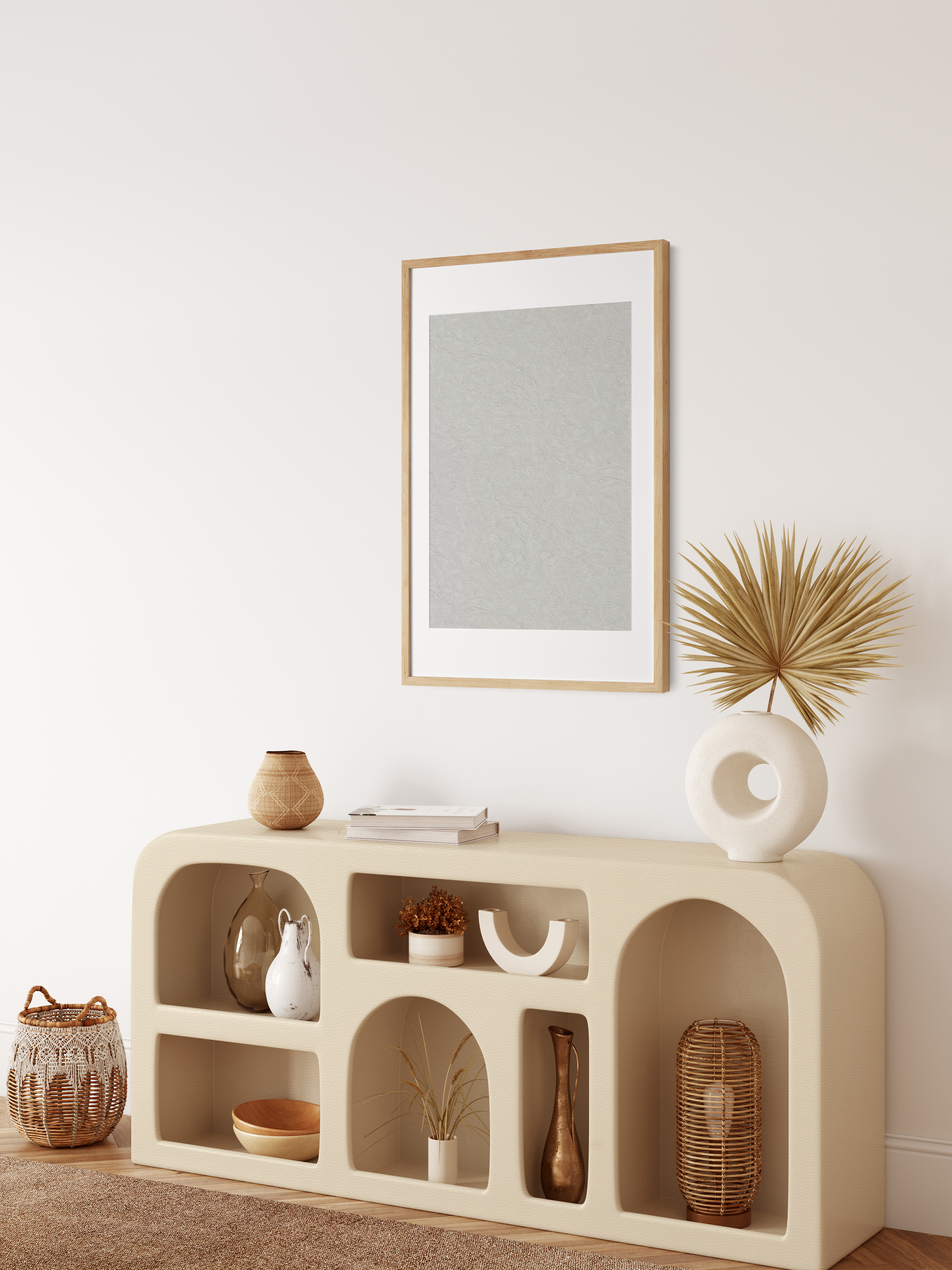
It does not imitate wood grain, nor does it replicate stone – instead, with near-deceptive craftsmanship, it "transfers" the pores, grain, supple sheen, and even the tactile warmth of genuine leather onto the surface of wood-based panels.
Especially when deep embossing technology is applied, leather textures are no longer just a visual illusion – they become a tactile reality. As your finger glides across, you can clearly feel the granular ups and downs of pebble grain or the fine matte texture of Nappa leather.
More:yakco technology
However, the more realistic the leather texture and the deeper the embossing, the higher the mechanical load-bearing demands on the substrate.
Deep embossing is essentially a process of "reshaping" the panel's surface structure – it applies localised high pressure to the substrate, creating raised and recessed deformations. If the substrate's own bending strength, modulus of elasticity, and internal bond strength are insufficient, the embossed areas will gradually spring back, collapse, or even crack during use – no matter how realistic the leather pattern, it will "deflate" after months or years.
The mechanical data in the test report serve as the core basis for judging whether a leather-textured panel can truly "look and feel authentic" while remaining "unchanged over time."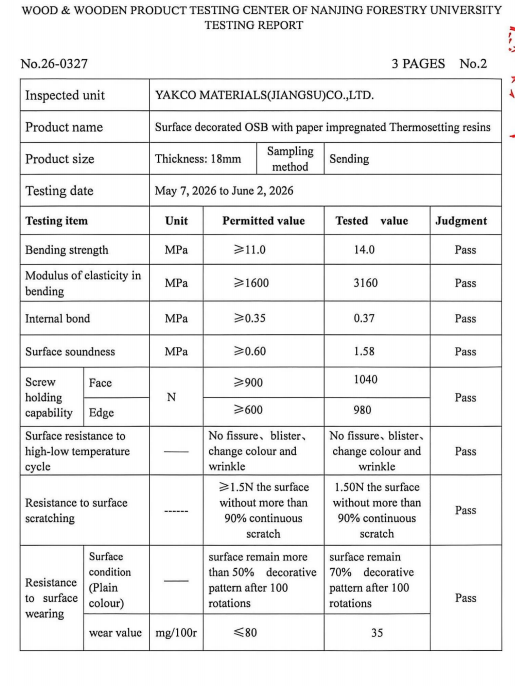
Bending Strength: The "Anti-Collapse Baseline" of Deep Leather Embossing
Deep embossing creates dense raised and recessed areas on the substrate surface. When subjected to vertical pressure (such as sitting weight or heavy objects), stress concentrates at the edges of recesses and the roots of protrusions.
If bending strength is insufficient, the embossed areas will develop permanent indentations under load, and the granularity of pebble grain will gradually be "flattened."
The standard requires bending strength ≥ 11.0 MPa, and the tested value reached 14.0 MPa – exceeding the requirement by 27%.
This margin ensures that when leather panels are used as desktops, chair seats, sofa side panels, or other load-bearing components, the three-dimensional grain of the deep embossing remains plump over the long term, without losing its tactile layering due to daily use.
Modulus of Elasticity in Bending: The "Fatigue Stiffness" of Leather Pattern Ridges
The refinement of leather textures depends largely on the clarity of the ridges – whether it is the coarse grains of pebble leather or the fine wrinkles of Nappa leather, both are defined by sharp ridges.
The modulus of elasticity reflects the material's ability to resist elastic deformation – the higher the value, the greater the material's creep resistance under long-term loading.
The standard requires ≥ 1600 MPa, and the tested value reached 3160 MPa – nearly double the requirement. This means that even if the leather panel is subjected to long-term vertical loading from cabinet doors or desktop weight, the embossed ridges will not gradually "relax" due to gravity or temperature changes, and the granular boundaries of pebble grain remain clearly distinguishable.
Internal Bond Strength: The "Interlayer Anti-Delamination" of Embossed Protrusions
The hot-pressing process of deep embossing applies uneven pressure to the substrate surface – protrusions are compressed while recesses are relatively stretched.
This uneven stress tests the bonding integrity between the internal layers of the substrate. The tested internal bond strength was 0.37 MPa(standard ≥ 0.35 MPa).
Although only slightly above the standard, this value is particularly critical for deep leather embossing – it ensures that the protruding grain particles do not "shell" due to interlayer micro-cracks, and that the decorative layer in the recessed areas does not separate from the substrate due to stretching.
Substrate Density: The "Underlying Support" for Grain Plumpness
Substrate density directly affects the forming effect of deep embossing. Too low a density prevents clear embossing, leaving grain edges blurred; too high a density makes panels overly heavy and accelerates tool wear.
The measured density of 0.72 g/cm³ places it in the upper-middle range of the national standard, balancing embossing clarity and processability.
More importantly, uniform density ensures that grain plumpness is highly consistent across different areas of the same panel – no unevenness such as clear grain at the centre and blurred edges.
Surface Soundness: The "Zero-Delamination Promise" Between the Leather Decorative Layer and Substrate
The decorative layer on deep-embossed leather panels undergoes maximum stretching and compression during the embossing process.
If surface soundness is insufficient, the decorative paper at the deepest recessed pores can easily separate from the substrate, resulting in visible "hollowing" or "peeling." The tested surface soundness reached 1.58 MPa – 2.6 times the standard value.
This data means that even at the deepest recesses of the leather grain, the decorative layer remains fully integrated with the substrate – regardless of humidity changes or repeated wiping, no delamination will occur.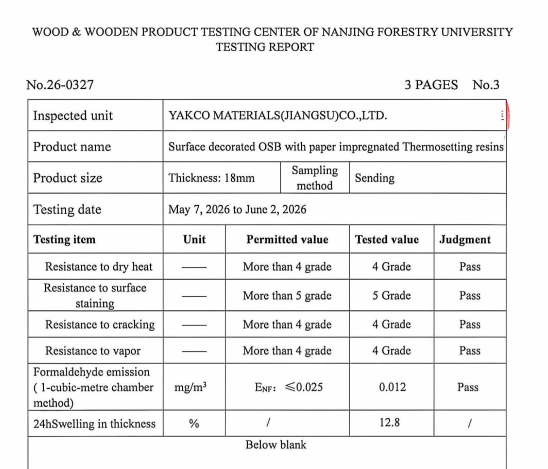
Conclusion
The true value of Leather Design Melamine Board lies not only in its convincingly realistic visual and tactile experience, but also in the strong mechanical support provided by the substrate beneath the deep embossing.
Bending strength of 14.0 MPa, modulus of elasticity of 3160 MPa, internal bond strength of 0.37 MPa, density of 0.72 g/cm³, and surface soundness of 1.58 MPa – these data together form a "mechanical safety net" that ensures every grain particle and every wrinkle of the leather texture retains its original plumpness and clarity throughout decades of use.
When choosing leather panels, remember: the more realistic the touch, the more critical the substrate.
The visible depth of the leather grain depends on the invisible strength of the mechanics.