


 中文简体
中文简体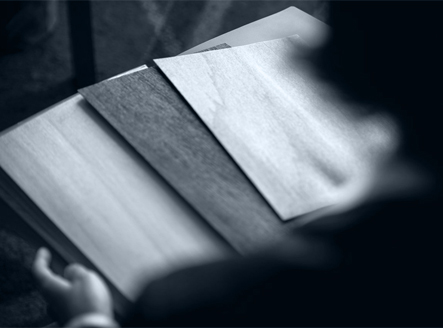





Previous Post
What Are Wood Grain 3D Veneer Panels?
Wood grain 3D veneer panels are engineered panels made from natural or engineered wood, designed with three-dimensional textures that mimic the intricate patterns of real wood grain. Unlike traditional flat veneer sheets, 3D veneer panels add depth and visual interest, creating dynamic surfaces that enhance the spatial experience of any room.
These panels are often manufactured using advanced techniques such as high-pressure lamination, CNC carving, or heat embossing, allowing for precise and repeatable wood grain patterns. They are available in a variety of finishes, from natural wood tones to painted or stained surfaces, enabling designers to achieve both classic and contemporary aesthetics.
Key Features and Advantages
| Feature | Description |
|---|---|
| 3D Textured Surface | Creates depth and visual interest, enhancing interior aesthetics |
| Realistic Wood Grain | Mimics natural wood patterns for a premium look |
| Lightweight and Easy to Install | Simplifies construction and renovation processes |
| Durable Material | Resistant to warping, cracking, and moisture compared to traditional wood |
| Versatile Applications | Suitable for walls, ceilings, furniture, and decorative panels |
| Customizable Finishes | Available in various stains, paints, or natural wood tones |
| Eco-Friendly Options | Can be produced from sustainable or recycled wood sources |
| Sound Absorption | 3D texture can improve acoustic properties in interior spaces |
Transforming Interior Spaces
The most striking advantage of wood grain 3D veneer panels is their ability to transform ordinary walls and ceilings into captivating focal points. The interplay of light and shadow across the textured surfaces creates a sense of depth that enhances the perception of space. In commercial environments, such as hotels, offices, or restaurants, these panels can provide a luxurious and inviting atmosphere. In residential spaces, they offer homeowners a way to add warmth, sophistication, and tactile appeal to living rooms, bedrooms, or feature walls.
Additionally, 3D veneer panels can conceal imperfections on walls or surfaces, making them a practical choice for renovations or remodeling projects. Their lightweight design also reduces the need for heavy structural support, simplifying installation and reducing labor costs.
Versatility Across Applications
Wood grain 3D veneer panels are increasingly being used in a wide variety of settings:
Residential Interiors: Feature walls, ceilings, kitchen islands, and furniture accents.
Commercial Spaces: Hotels, offices, restaurants, and retail stores to create upscale, inviting atmospheres.
Architectural Projects: Lobby walls, conference rooms, and exhibition spaces where visual impact is essential.
Furniture and Cabinetry: Panels for wardrobes, cabinets, and shelves to add texture and elegance.
Acoustic Enhancement: Textured surfaces can improve sound absorption, making them suitable for auditoriums, theaters, and studios.
The combination of aesthetic appeal and functional advantages makes these panels a multi-purpose design solution for modern architecture and interior decoration.
Durability and Maintenance
Beyond their visual appeal, wood grain 3D veneer panels are engineered for long-lasting performance. They are resistant to warping, cracking, and moisture damage, which are common issues with traditional wood surfaces. Many panels are coated with protective layers, such as UV-resistant finishes or water-repellent coatings, enhancing their durability and ease of maintenance.
Cleaning and maintenance are straightforward—most panels can be wiped with a damp cloth or mild cleaning solution, making them practical for both residential and commercial applications. Unlike traditional wood surfaces, they do not require frequent polishing or refinishing, which reduces long-term upkeep costs.
Sustainable and Eco-Friendly Options
As sustainability becomes a critical consideration in design and construction, many manufacturers offer eco-friendly 3D veneer panels. These panels can be made from recycled wood fibers, sustainably sourced timber, or engineered composites that reduce the demand for solid wood. Using environmentally responsible materials not only supports green building initiatives but also allows designers to meet LEED or other sustainability certification requirements.
Design Flexibility
One of the most significant benefits of wood grain 3D veneer panels is their customizability. Designers can choose from a wide range of wood species, colors, and grain patterns. CNC and laser technologies enable intricate carvings and bespoke textures, allowing designers to implement unique patterns, geometric shapes, or naturalistic textures that align with the project’s vision.
The panels can also be combined with lighting techniques, such as backlighting or spotlights, to accentuate the 3D effect and create dramatic interior statements. This flexibility allows them to be used creatively across both traditional and modern design concepts.
Are Wood Grain 3D Veneer Panels the Future of Interior Design?
Wood grain 3D veneer panels are more than just a decorative element—they are a strategic design tool that blends aesthetics, functionality, and sustainability. Their ability to provide realistic textures, depth, and visual interest while remaining durable and easy to maintain makes them ideal for modern interiors and architectural projects.
For homeowners, designers, and architects seeking to elevate interior spaces with sophistication and practicality, these panels offer a compelling solution. With continued innovation in materials and manufacturing techniques, wood grain 3D veneer panels are poised to become a staple in contemporary design, redefining how we perceive and interact with interior surfaces.





