


 中文简体
中文简体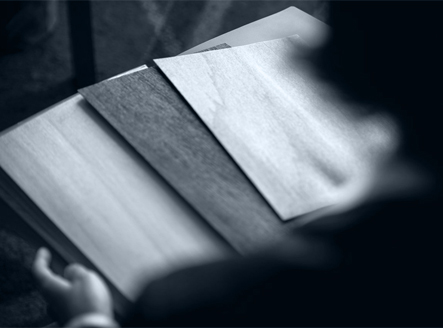





Previous Post
The Crossroads of Design and Deforestation
For centuries, natural solid wood has been the gold standard in architecture and interior design, coveted for its warmth, texture, and inherent luxurious appeal. However, the global demand for authentic wood—from oak to mahogany to walnut—has placed immense pressure on the world's forests, driving up costs and raising serious environmental concerns about sustainability and ethical sourcing.
In response to this critical challenge, a new material has emerged that promises to deliver the rich, natural aesthetics of solid wood while offering superior performance, a lower cost, and a dramatically reduced ecological footprint. The Wood Grain 3D Veneer Panel is not simply a laminate; it is a meticulously engineered, multi-layered product that leverages cutting-edge digital technology to reproduce the complexity and soul of natural wood, achieving a truly three-dimensional and tactile experience. This innovation is setting a new standard for materials used in furniture manufacturing and interior decoration, fundamentally changing how designers and homeowners approach creating natural, comfortable spaces.
The Science of Mimicry: The Technological Triad
The ability of these panels to realistically replicate the appearance and feel of natural wood lies in the sophisticated Technology employed during their creation. Achieving this level of realism requires a blend of high-precision methods, often utilized in concert to achieve the final effect:
3D Digital Printing Technology: This is the core engine for aesthetic accuracy. Digital printing allows for precise control of colour and texture details, capturing the nuanced tonal shifts, subtle variations in hue, and minute grain details found in genuine lumber. Sophisticated scanners map the wood grain of premium natural samples, and high-resolution printers apply these intricate, photorealistic images onto the panel’s surface layer.
Transfer Printing Technology: For full coverage and perfect consistency across large surfaces, transfer printing is utilized. This method efficiently transfers the wood grain pattern to the surface of the panel in its entirety, ensuring a seamless, high-definition look without visible seams or repetition.
Embossing Technology (The 3D Factor): This is where the true innovation lies, moving the panel beyond a simple two-dimensional photograph. Embossing technology uses a mould to create a concave-convex wood grain on the surface of the panel. This process, often referred to as registered embossing, aligns the physical texture perfectly with the digitally printed visual grain. When light hits the surface, it casts shadows and highlights that mimic the depth of real wood, fooling both the eye and the hand, and delivering the promised 3D effect.
The Art of Observation: Design Principles and Texture
The entire process is governed by a strict Design Principle rooted in mimicry and precision. The goal is to mimic the grain, colour, and texture of a variety of natural wood species—from the fine, straight lines of maple to the bold, sweeping patterns of hickory. This effort satisfies the universal desire for natural wood aesthetics while simultaneously addressing the practical needs for a material that is more economical, sustainable, and stable.
The designers and engineers conduct an exhaustive study of grain characteristics of different wood species, including annual rings, wood rays, tube holes, etc. This research allows for accurate reproduction and artistic processing. The resulting Characteristics of wood grain texture are defined by:
Clear Lines: Precisely simulating the growth of the wood's annual cycle.
Directional Realism: Capturing the authentic flow and direction of the wood grain.
Natural Imperfections: Crucially, the texture incorporates natural imperfections, such as knots, cracks and so on, which are the hallmarks of authentic wood, preventing the surface from looking artificially uniform or repetitive.
Colour Tones: The material’s colour palette authentically shows the natural tone of the wood, ranging from light yellow to dark brown, offering options that perfectly match any established design scheme.
Engineering Stability: The Multi-Layer Structure and Hot Pressing
The durability and structural integrity of the 3D veneer panel are secured by its sophisticated Product structure and raw materials, coupled with a precisely controlled manufacturing technique.
The panel features a multi-layer structure, essential for balancing stability and aesthetics. This structure typically includes:
The Base Layer (Core): This thickest layer provides the structural strength and stability.
The Core Layer: This may include layers for added moisture resistance or reinforcement.
The Wood Grain Decorative Layer (Surface): This final layer carries the visual and tactile 3D effect.
Raw materials for the core are predominantly man-made panels, such as cost-effective and structurally reliable particle board, medium-density fibreboard (MDF), or polymer materials. The use of these engineered wood products is a key sustainable feature, as they utilize recycled wood fibres and sawdust, maximizing timber utilization and minimizing waste. All layers are fused together using environmentally friendly adhesives, ensuring the final product meets modern health and air quality standards.
The critical final step is the Hot Pressing Process. This is where the layers are permanently bonded and the 3D texture is set. During this process, the parameters of temperature, pressure, and time are strictly controlled according to the core material and the expected performance. The controlled high temperature makes the adhesive in the plate fully cured, creating a permanent bond. Simultaneously, the application of pressure prompts the layers of material to be closely combined to form a solid plate structure, ensuring the panel will not delaminate. The process also makes the wood grain pattern better integrated into the surface of the plate, embedding the texture for lasting tactile durability.
Sustainable Superiority: Features and Advantages
The Features of the wood grain 3D veneer panels underscore their unique position in the market. They realistically reproduce the appearance of natural wood, instantly giving a natural, warm feeling to any space they adorn. Because the grain is digitally applied and manufactured, it is rich and varied and can mimic a wide range of wood species, offering designers an unparalleled palette of options without the logistical constraints of sourcing rare timber.
The Advantage over solid wood is compelling, especially for large-scale projects:
Stability and Durability: Compared with solid wood, it has a more stable performance and is not easy to deform and crack. Solid wood is highly susceptible to warping, expanding, or cracking due to changes in humidity and temperature. Engineered veneer panels, built from compressed fibers, possess inherent dimensional stability, making them ideal for high-humidity environments like kitchens and bathrooms.
Cost-Effectiveness: The material is of a relatively low price, offering a genuinely cost-effective solution that democratizes the use of high-end wood aesthetics. This makes luxurious interior designs accessible to a much broader market.
Sustainability: Perhaps the most important benefit is the sustainable nature of the product. By relying on fast-growing engineered wood and highly efficient surface applications, these panels reduce the dependence on natural wood, helping to preserve ancient forests and promoting responsible material consumption.
Function and Widespread Application
The Role (Function) of these panels is to act as a versatile, high-performance decorative and structural material. They are mainly used in furniture manufacturing and interior decoration. Their primary applications include:
Cabinetry: Essential for creating high-end kitchen and bathroom cabinets and built-ins.
Wardrobes: Providing luxurious yet durable finishes for closet systems.
Flooring: Offering a stable, easy-to-maintain alternative to hardwood.
Wall Panels: Used to create striking feature walls and cladding that introduce texture and warmth into a room.
The widespread Application (Usage) of the 3D veneer panel reflects its adaptability and appeal across multiple sectors. In the home space, they are widely used in various areas, such as bedrooms, living rooms, kitchens, etc. The stability in humid areas like kitchens is a major selling point. They are also commonly used in commercial places, where durability and aesthetic impact must meet demanding public use standards. This includes offices, restaurants, shopping malls, etc., creating a professional, welcoming, and natural atmosphere that significantly enhances the user experience.
In a world increasingly focused on environmental stewardship and value, the Wood Grain 3D Veneer Panel offers an uncompromising solution. It is a testament to how material science and digital technology can collaborate to not only answer the demand for natural beauty but to do so in a way that is stable, economical, and profoundly sustainable. The answer to the question of packaging our food without destroying the planet is a resounding "Yes," provided we embrace these next-generation materials.





