


 中文简体
中文简体





Previous Post
Good texture does not always need to be complex.
In modern furniture design, a line can serve as a division or define proportion. It can emphasize direction or change the visual weight of a piece of furniture.
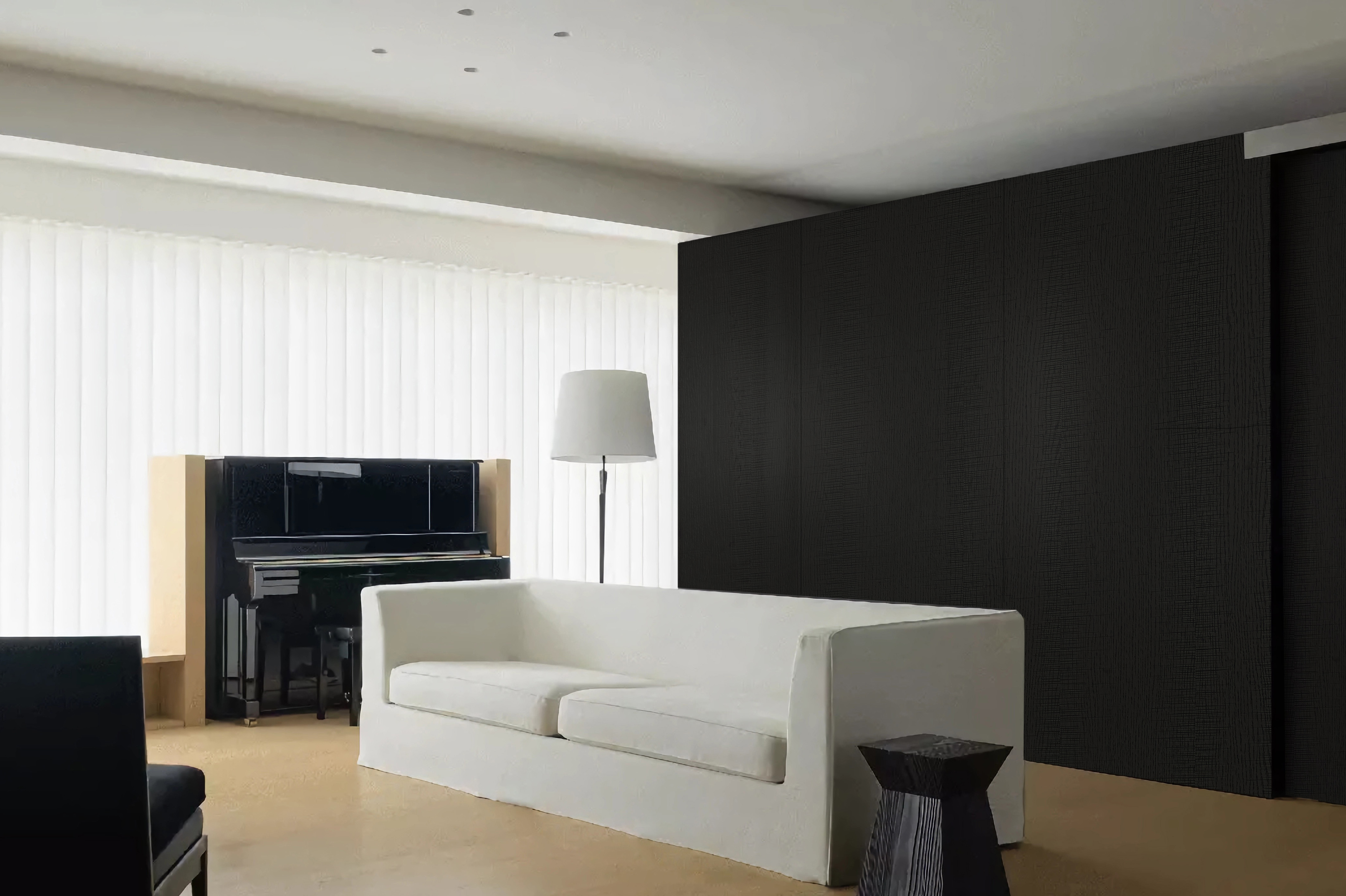
YAKCO ZS35 Line Texture Panel does not rely on complex patterns to attract attention. Instead, it turns the linear texture itself into a design element. The regular arrangement of lines allows the surface to move beyond being simply the “skin” of furniture and become part of the overall form of cabinets, walls, and interior spaces.
From “Surface Decoration” to “Design Language”
Traditional decorative surfaces mainly provide color and material expression, while ZS35 functions more like a directional design language.
Continuous lines can extend along cabinet doors or create visual continuity across different panels. When the texture follows the structural direction of the furniture, the overall proportions appear more complete and unified.
Therefore, ZS35 does not need complex forms to create a visual focus.
The lines themselves become the form.
How Lines Change Furniture Proportions
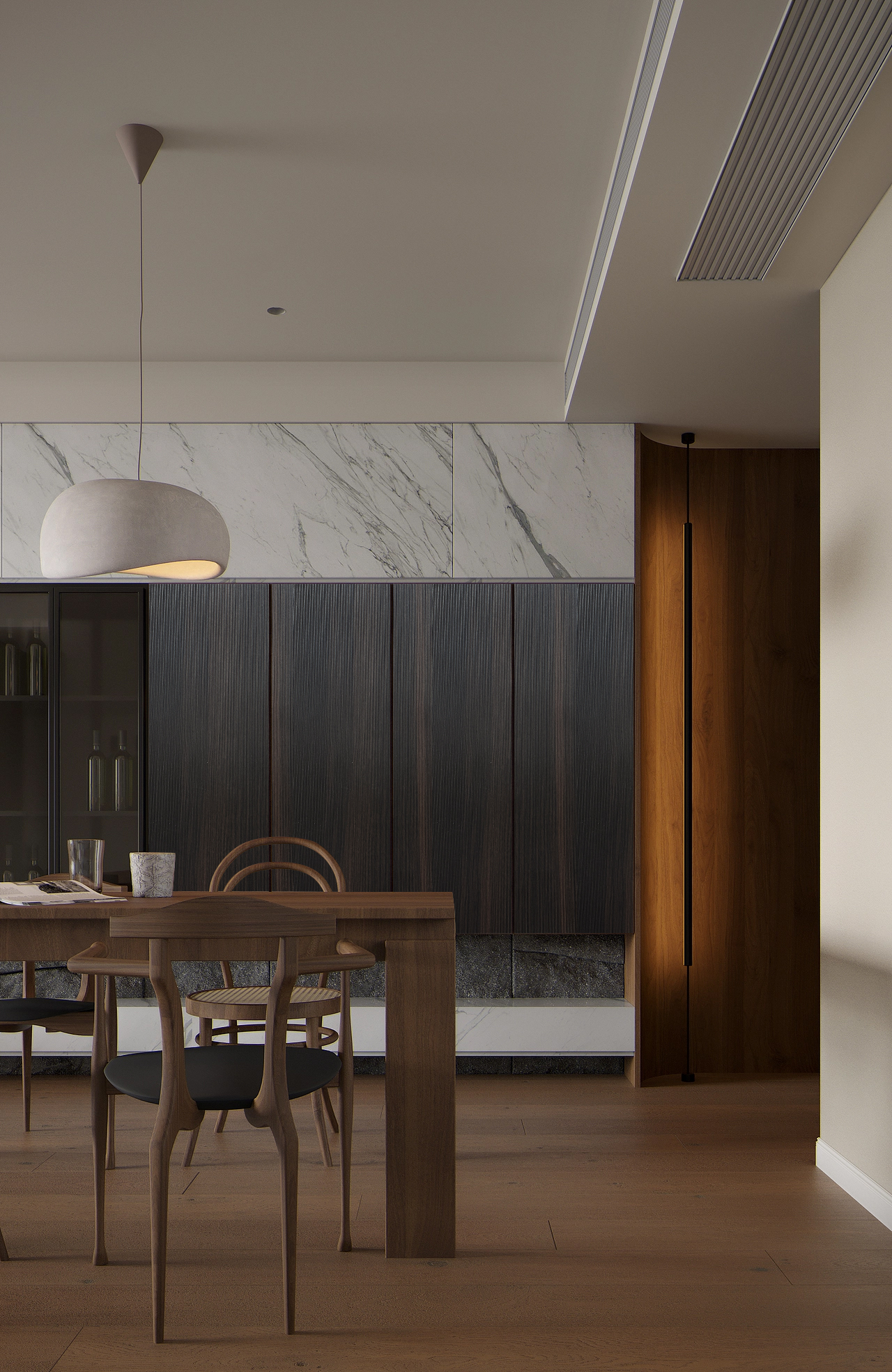
The direction of a texture can directly influence how we perceive the proportions of furniture.
Vertical lines can emphasize height, making tall cabinets, wardrobes, and doors appear more slender. Horizontal applications, on the other hand, can visually reduce the sense of height and create a greater feeling of horizontal extension.
When the same texture is continuously applied across multiple cabinet doors or wall panels, individual components can also form a more unified visual surface.
This makes ZS35 more than simply a “texture choice.” It gives designers another way to control spatial proportions.
Designed for Restrained Furniture Aesthetics
The value of ZS35 does not lie in creating a strong visual impact.
Instead, it is better suited to designs that emphasize proportion, negative space, and the relationship between materials.
Minimalist cabinets, modern wardrobes, feature walls, interior doors, and custom furniture can all use continuous lines to create subtle details. Without the distraction of complex patterns, the structure, color, and overall silhouette of the furniture become more prominent.
For contemporary interior design, this kind of restraint can often be more timeless than layers of decoration.
One Panel Can Become a Design System
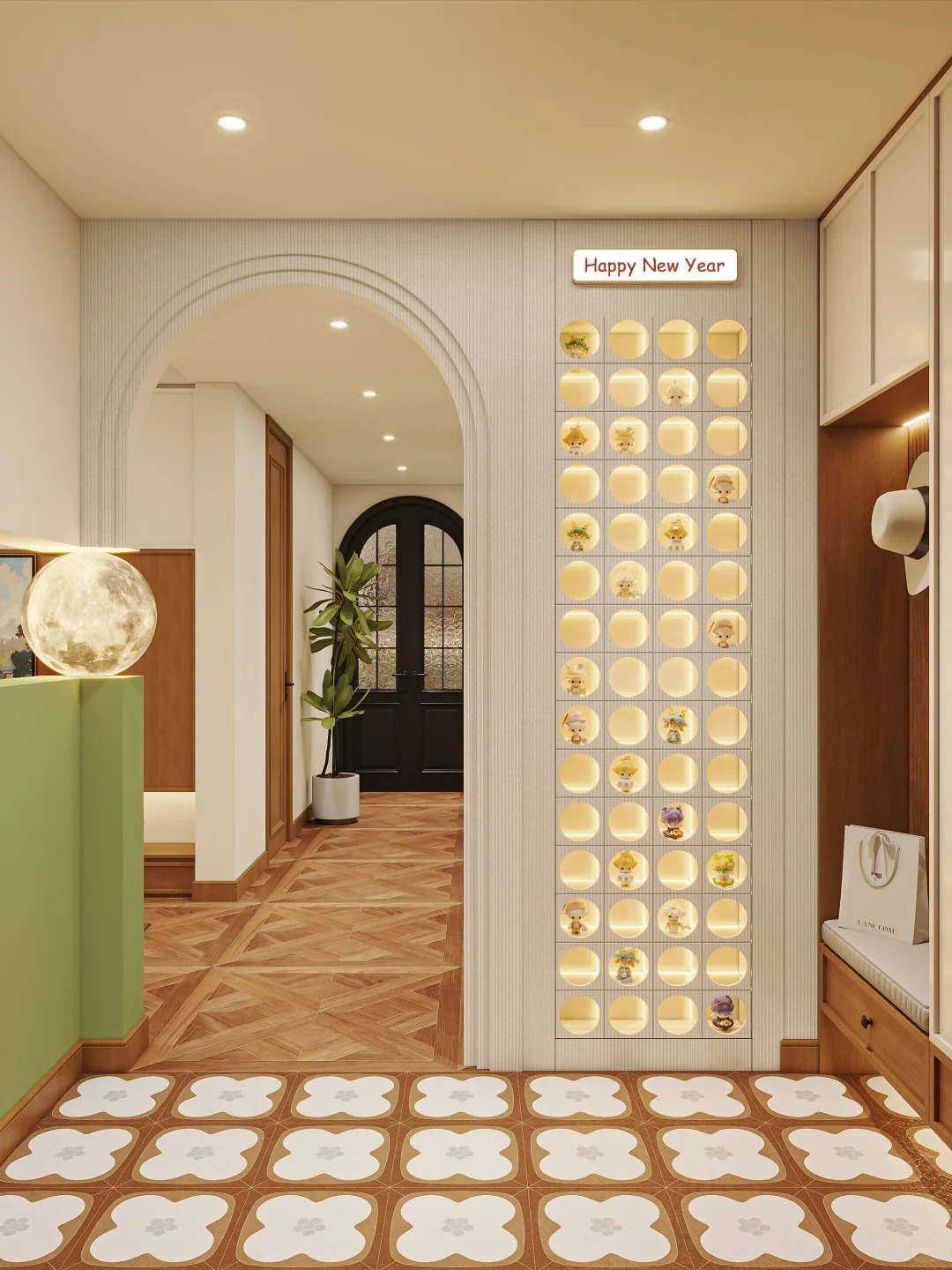
When linear texture is applied across panels of different sizes, its meaning goes beyond a single decorative surface.
Cabinet doors, side panels, open shelving, walls, and even interior doors can share the same visual language. By maintaining a consistent direction and proportion, furniture with different functions can remain visually connected within the same space.
This is what makes ZS35 particularly interesting:
It is not simply a surface design, but a visual system that can extend throughout an entire space.
Keeping Processing Consistent with Design
For custom furniture, what truly matters is not how complex a texture is, but whether the texture can work together with the final furniture structure.
ZS35 features a 3D linear texture with a clear directional structure, making it suitable for different furniture components and surface applications.
From a single cabinet door to an entire wall, the lines can remain continuous or be reinterpreted through cutting, zoning, and combination to create new proportions.
Designers get more than a texture—they get a surface that can continue to be designed.
 YAKCO ZS35: Less Decoration, More Order
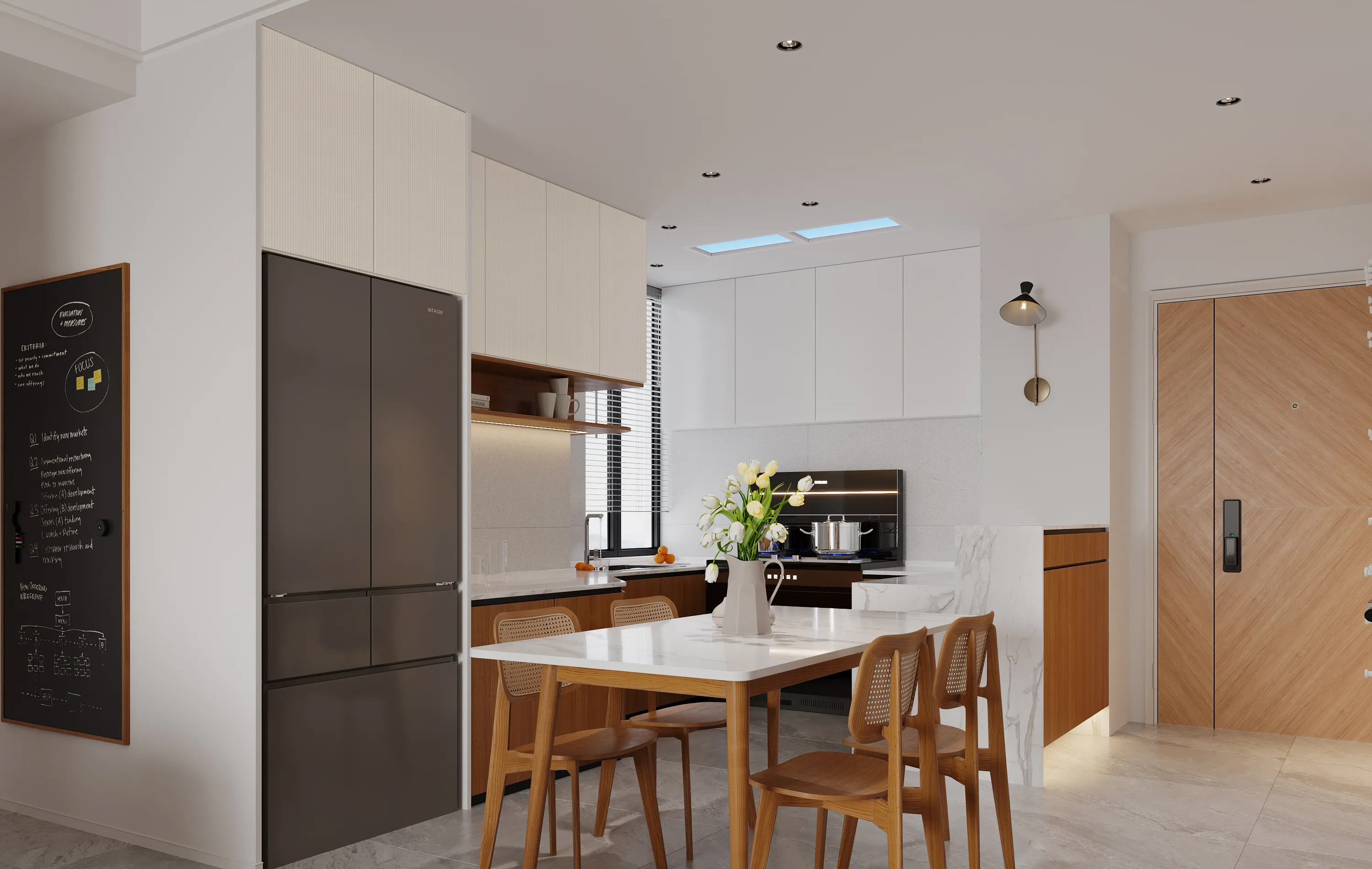
As furniture continues to move toward simpler forms, the material itself needs to take on a greater role in design.
ZS35 does not use complex patterns to create a visual focal point. Instead, it starts with one of the simplest design elements—the line—and makes direction, proportion, continuity, and structure part of the design.
It reminds us that a truly expressive surface does not necessarily need to be complex.
When a line is repeated with enough precision, it can create an entire sense of order within a space.






