中文简体
中文简体





Previous Post
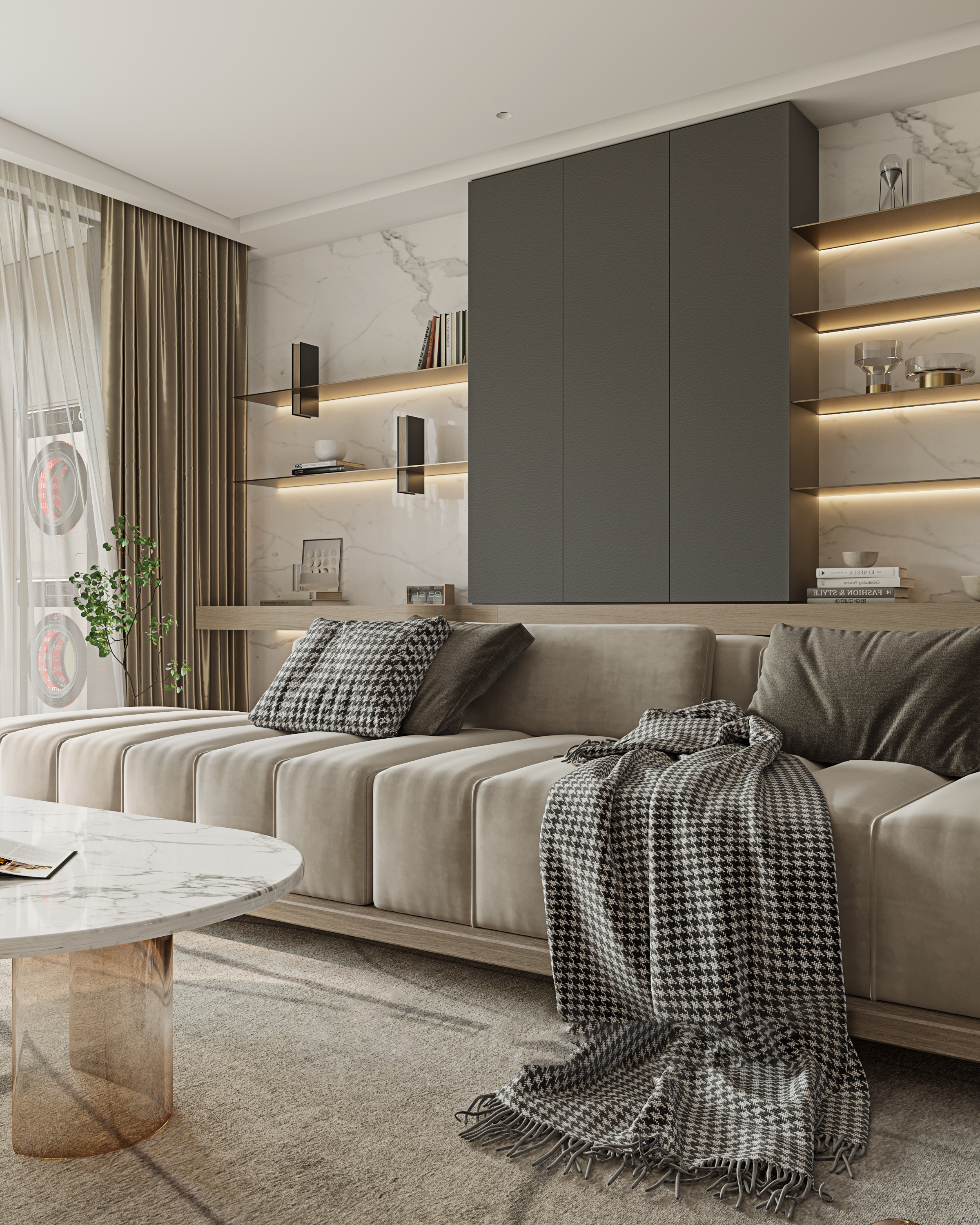
YAKCO Leather Design Melamine Board represents a new generation of engineered decorative surface materials that combine realistic leather aesthetics with industrial-grade performance engineering. Designed for modern furniture manufacturing and interior architecture, it bridges the gap between luxury tactile design and scalable industrial production.
Unlike traditional decorative laminates, this material is developed to replicate the visual depth, softness, and irregular grain structure of natural leather, while maintaining the durability and consistency required in mass production environments.
To learn more about yakco Leather Design Melamine Board
1.1 Advanced Surface Engineering for Realistic Leather Texture
YAKCO Leather Design Melamine Board is manufactured using multi-layer surface engineering processes, typically involving:
- High-pressure thermosetting melamine resin bonding
- Precision micro-embossing for leather grain replication
- Controlled matte finishing to reduce surface reflectivity
- High-density substrate lamination for structural stability
This combination allows the surface to achieve a soft-touch leather-like feel while maintaining industrial durability.
To learn more about YAKCO Technology
1.2 Performance Advantages in Furniture Applications
Compared with traditional materials such as PVC film, veneer, or genuine leather, YAKCO leather design melamine board delivers a balanced performance profile optimized for furniture manufacturing.
Key Performance Benefits:
- High Scratch and Wear Resistance
The hardened resin surface significantly improves resistance to daily abrasion, making it suitable for high-contact furniture such as wardrobe doors, cabinet panels, and office desks. - Moisture and Heat Stability
Engineered structure reduces deformation risks caused by humidity and temperature fluctuations, ensuring dimensional stability over long-term use. - Low Maintenance Requirement
Unlike real leather, which requires regular conditioning and protection, melamine surfaces are easy to clean and maintain using standard household cleaning methods. - Consistent Industrial Quality
Each panel maintains uniform texture and color consistency, which is essential for large-scale furniture production and commercial interior projects.
1.3 Design Value: Why Leather Texture Matters in Modern Interiors
In contemporary interior design, material selection is no longer purely functional—it plays a critical role in shaping spatial atmosphere and user perception.
Leather texture surfaces are increasingly used because they:
- Introduce warmth and softness into minimalist environments
- Reduce the coldness of stone, metal, and high-gloss finishes
- Add tactile depth without visual complexity
- Enhance perceived luxury in cost-efficient ways
This makes leather design melamine boards particularly suitable for:
- High-end residential furniture systems
- Boutique hotel interiors
- Office environments seeking premium but neutral aesthetics
- Retail and showroom display systems
1.4 Industrial vs Natural Materials: A Practical Comparison
In real-world applications, designers and manufacturers often compare engineered leather surfaces with natural leather and PVC-based decorative films.
| Performance Factor | YAKCO Melamine Board | Genuine Leather | PVC Film |
| Surface Durability | High | Medium | Medium-Low |
| Moisture Resistance | High | Low-Medium | Medium |
| Maintenance Cost | Low | High | Low |
| Mass Production Consistency | Excellent | Poor | Excellent |
| Design Repeatability | High | Low | High |
This comparison highlights why engineered leather surfaces are increasingly preferred in industrial furniture production and commercial interior systems.
1.5 Industry Trend: Shift Toward Engineered Surface Materials
According to global decorative panel industry research (Statista / Grand View Research), engineered surface materials continue to grow at approximately 5–7% CAGR, driven by:
- Expansion of modular furniture systems
- Growth in commercial interior renovation cycles
- Increasing demand for low-maintenance premium surfaces
- Stricter environmental compliance requirements in global markets
Within this context, leather design melamine boards are becoming a key material category that balances aesthetic performance and manufacturing efficiency.
1.6 Application Scope
YAKCO Leather Design Melamine Board is widely used across multiple interior and furniture segments:
Furniture Manufacturing
- Wardrobe systems
- Kitchen cabinet doors
- Drawer fronts and panels
- Office furniture surfaces
Commercial Interiors
- Hotel room furniture systems
- Retail display environments
- Office workstation panels
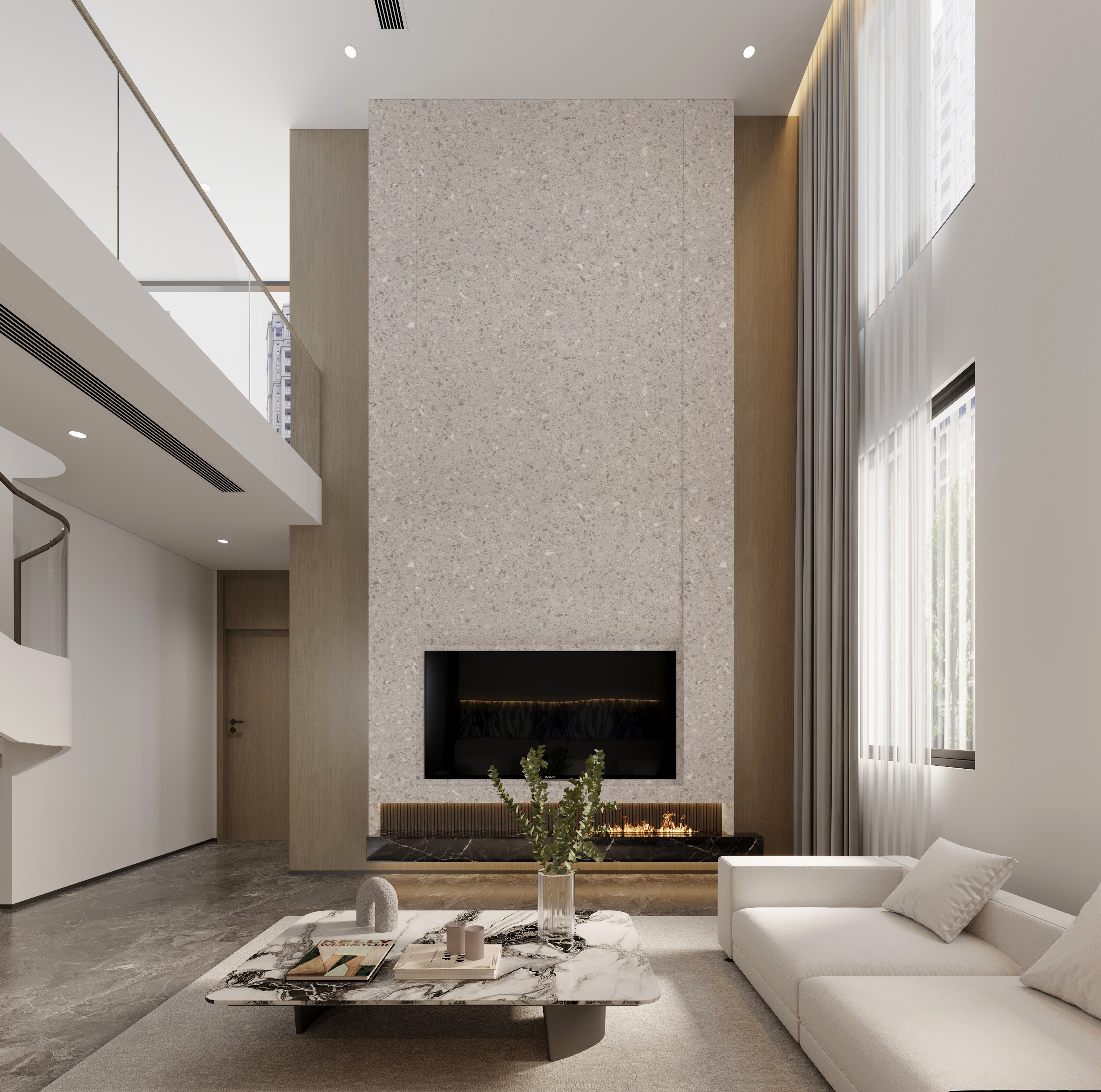
- Reception and feature wall designs
Architectural Interior Use
- Wall cladding systems
- Decorative partitions
- Modular interior panel systems
1.7 Conclusion: A Material Designed for the Future of Furniture
YAKCO Leather Design Melamine Board is not simply a decorative surface—it is an engineered material system designed for the evolving demands of modern furniture manufacturing.
By combining realistic leather aesthetics, industrial durability, and scalable production consistency, it provides a practical alternative to traditional materials while supporting the growing global demand for high-performance decorative surfaces.
As furniture design continues to shift toward material-driven aesthetics and functional efficiency, leather design melamine boards are positioned as a long-term solution for both design innovation and industrial application.