中文简体
中文简体





Previous Post
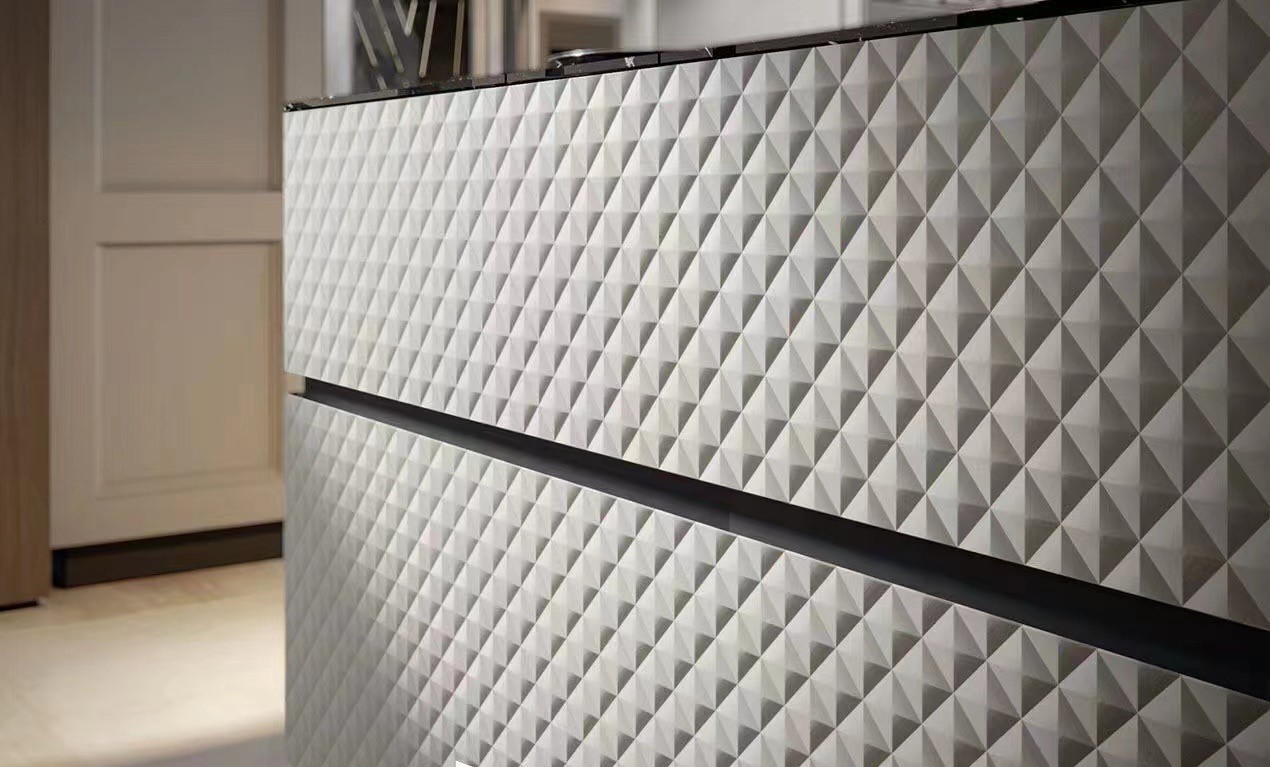
The cool, rugged texture of natural stone and the undulating tactile feel of three-dimensional wood grain are becoming favourites in high-end furniture and commercial space design.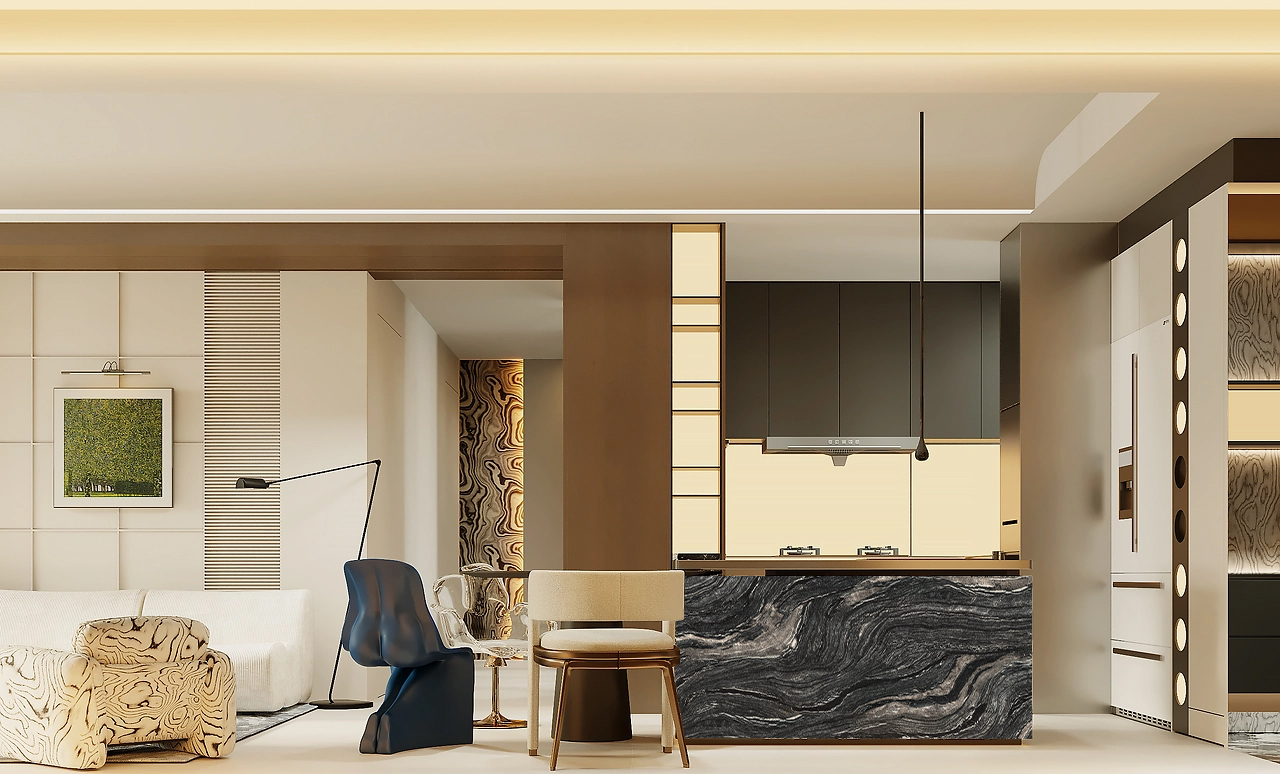
When these textures are "embossed" onto wood texture melamine faced board, the raised and recessed layers bring not only visual and tactile pleasure but also impose additional challenges on the durability of the surface layer–recessed areas tend to trap dirt, raised ridges are more susceptible to abrasion, and thermal expansion and contraction are more likely to cause cracking at the edges of embossed contours.
So, what "hard strength" must a qualified Rock Design or 3D Embossed melamine faced panel possess?
According to GB/T 15102-2017 for surfaced fibreboard and particleboard, several key surface performance indicators from the test report provide quantifiable proof of durability for embossed stone-pattern panels.
More:yakco technology
- Resistance to Cracking and Resistance to Vapour: The "Structural Defence Line" for 3D Embossing
Embossed surfaces have raised and recessed lines; under alternating dry-wet or humid-heat conditions, stress concentrates at these ridges, making them prone to micro-cracks.
The standard requires resistance to cracking ≥ Grade 4, and the tested result was Grade 4 (Pass).
This means that even in kitchens, bathrooms, or during the humid "southern rainy season," the embossed edges will not develop visible cracks, effectively protecting the substrate from moisture ingress.
Similarly, resistance to vapour is an essential test for embossed panels–steam tends to condense and linger in recessed areas.
The standard requires ≥ Grade 4, and the test also achieved Grade 4 (Pass), confirming that the decorative layer does not blister, whiten, or lose gloss under continuous hot steam, keeping the three-dimensional texture clearly visible.
- Surface Resistance to High-Low Temperature Cycles: A "Stabiliser" for Cross-Regional Transport and Seasonal Temperature Differences
For stone-pattern panels, colour and pattern stability are critical. The high-low temperature cycle test requires no fissures, blistering, colour change, or wrinkling, and the results fully complied.
This ensures that panels do not deform or delaminate due to differential expansion between substrate and decorative layer when moving between heated northern rooms and humid southern environments–particularly important for unified procurement across national projects.
- Resistance to Scratching and Wearing: The "Daily Guardian" of Three-Dimensional Textures
The raised parts of 3D embossed surfaces are more vulnerable to scratches from hard objects in everyday use.
The scratch resistance test requires that under a 1.5 N load, the surface shows no continuous scratch exceeding 90% in length; the result was no continuous scratch at 1.5 N (Pass).
This means that even if keys, zippers, or other hard objects scrape across, the raised ridges remain intact.
For wear resistance, after 100 rotations, the decorative pattern retained 70% (standard requires ≥50%), and the wear value was only 35 mg/100r (standard ≤80 mg/100r).
For stone-pattern panels, this means that the granular texture and layered stone appearance are not worn flat by frequent contact, retaining a realistic feel over long-term use.
- Resistance to Surface Staining: The "Anti-Stain Gene" of Stone-Pattern Surfaces
Stone-look decorative panels are often used on dining tables, kitchen islands, and other areas prone to contact with sauces, red wine, and other stains.
The stain resistance test achieved Grade 5 (Full score), showing excellent resistance to common stains such as coffee, tea, soy sauce, and red wine. Cleaning is as simple as wiping with a damp cloth, with no worry about pigment penetrating deep into the recessed textures.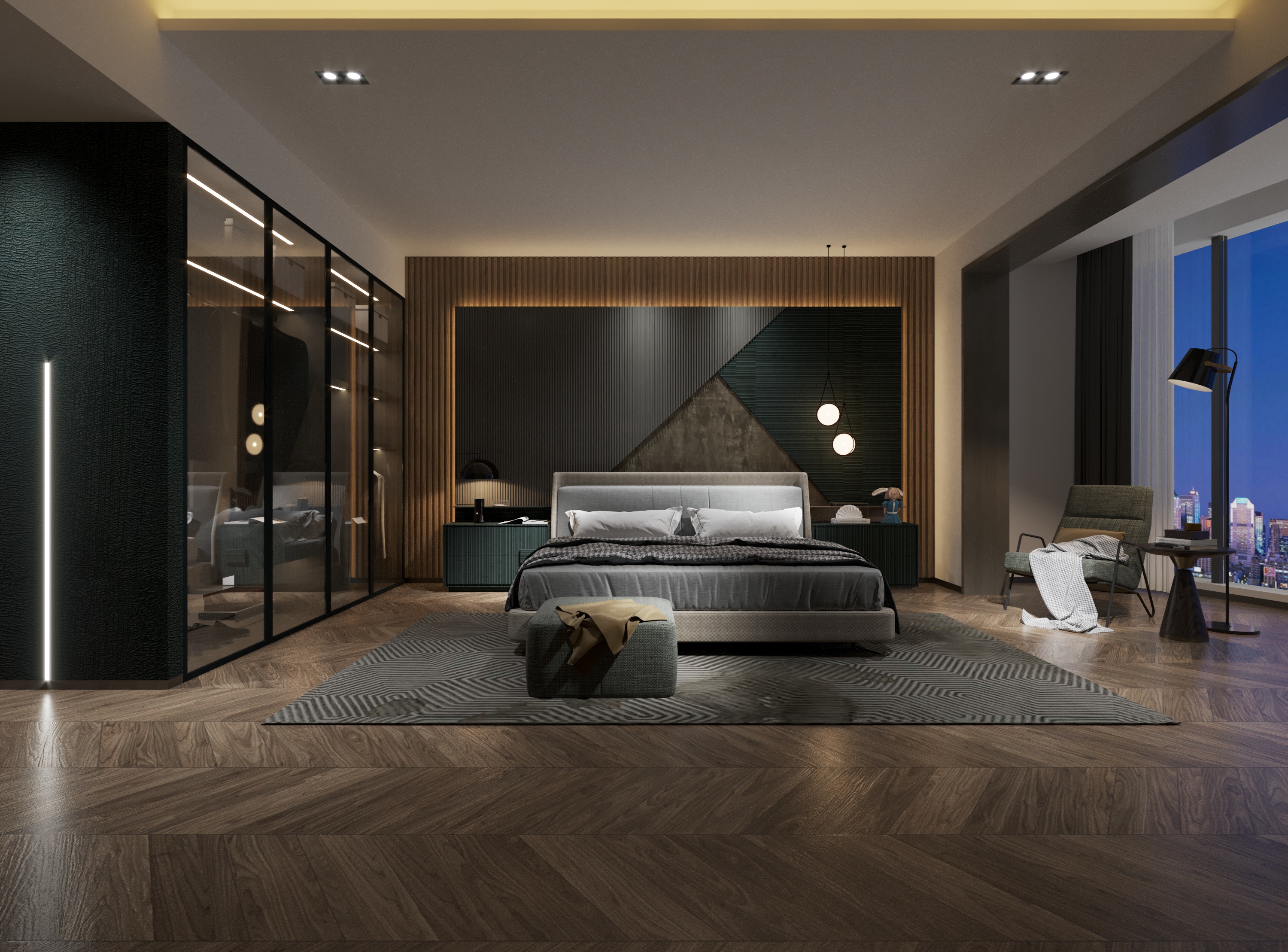
Conclusion
Rock Design Melamine Board and 3D Embossed Wood texture Melamine faced Board stand out among countless patterns not only because of their realistic stone visuals and tactile three-dimensionality, but also because their surface layers have passed multiple rigorous tests: resistance to cracking, vapour, high-low temperature cycles, scratching, wearing, and staining.
These "invisible" performance data are the true assurance that an embossed stone-pattern panel can maintain its design aesthetics for years.
When selecting panels, look beyond the realism of the texture – pay attention to the surface durability ratings. Because only beauty that withstands daily "abuse" is sustainable beauty.