中文简体
中文简体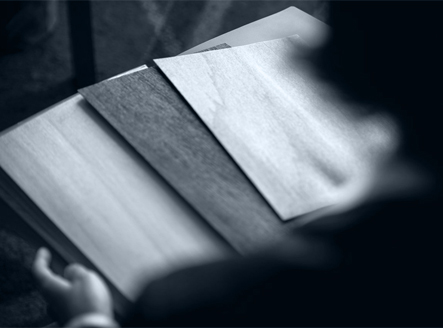





Previous Post
Substrates Are Redefining the Value of Premium Melamine Faced Panels
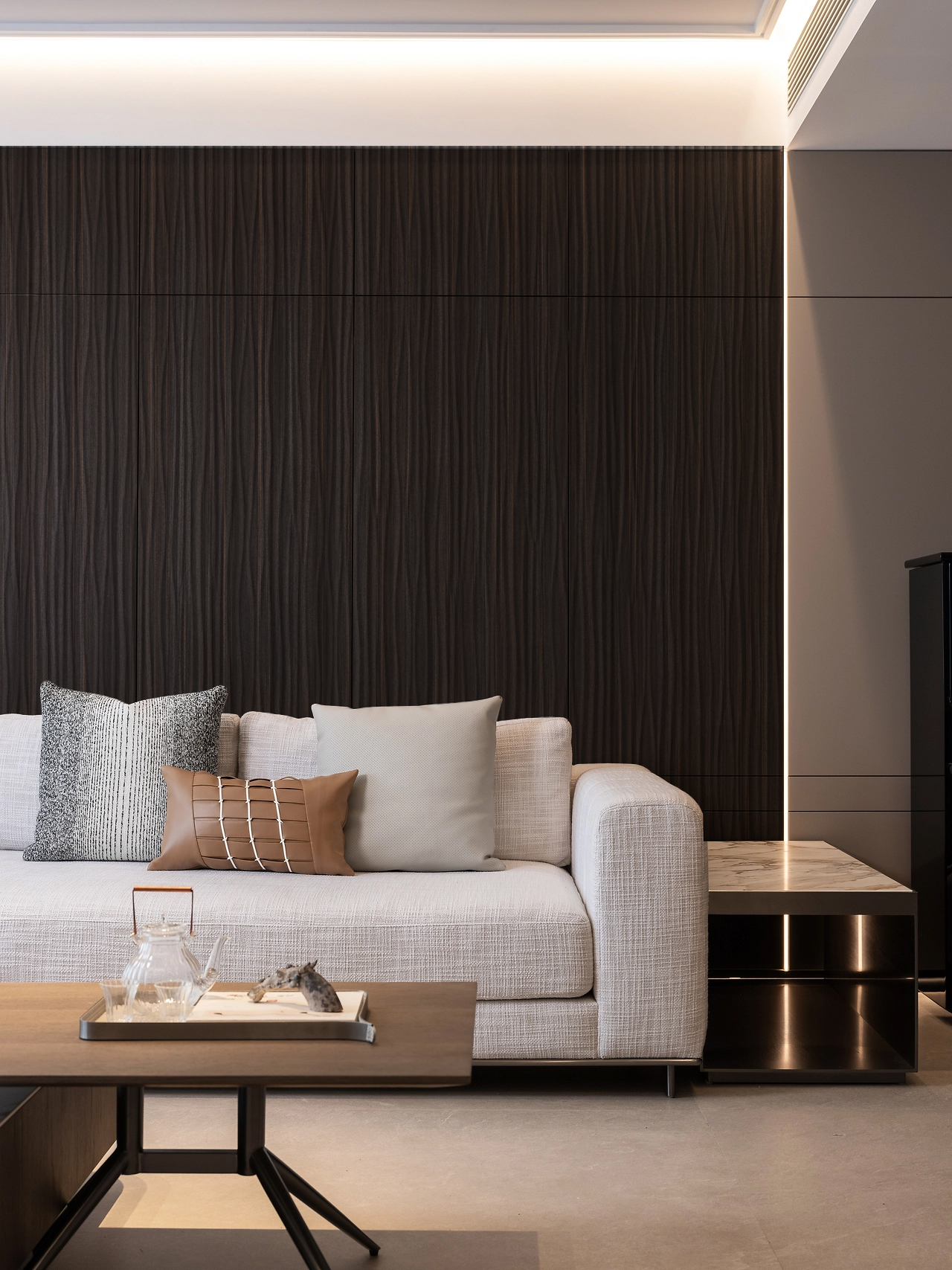
With the continuous advancement of melamine surface technologies, competition within the industry has gradually shifted from focusing solely on surface patterns toward the integrated development of surface effects and substrate performance.
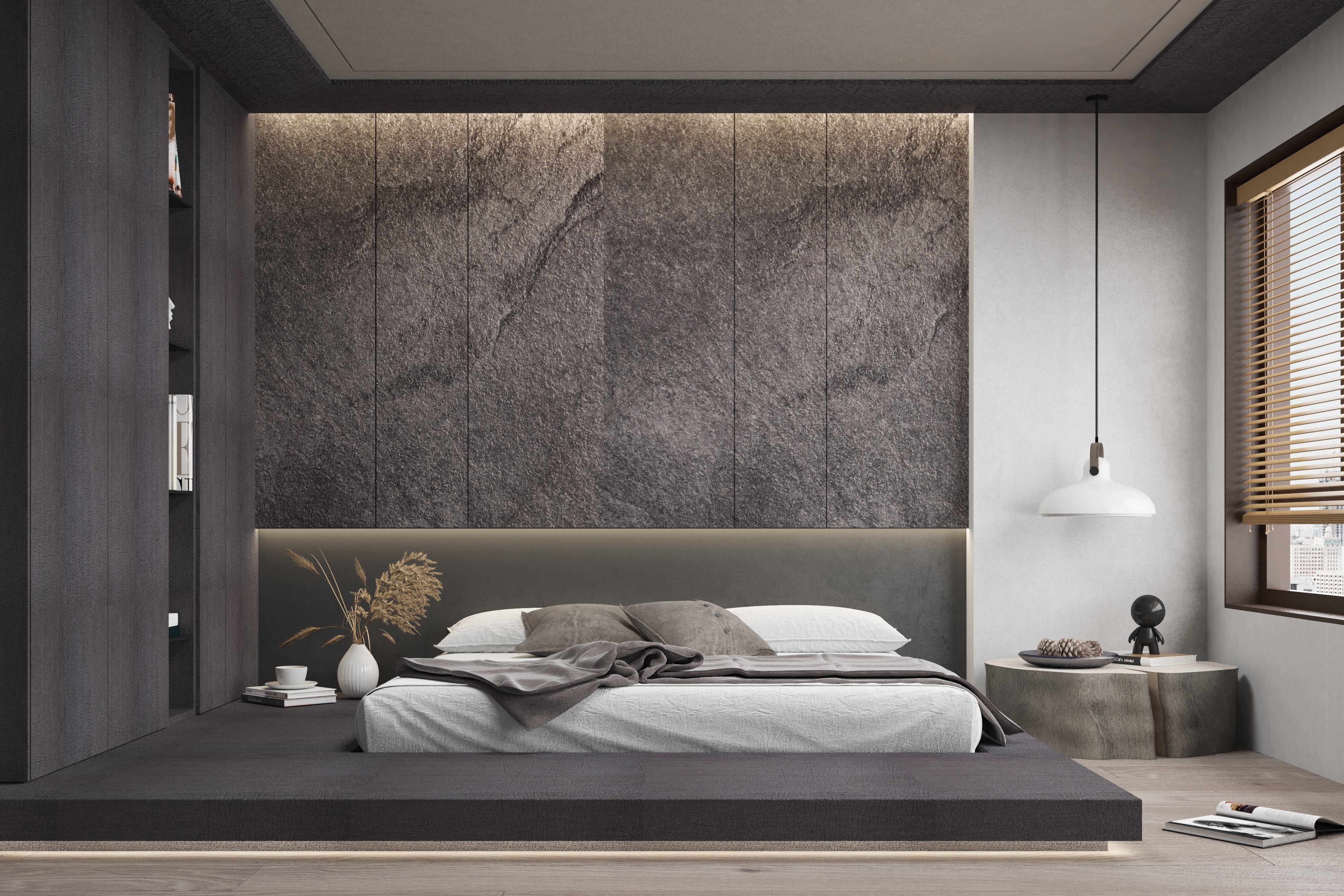
Especially in high-end applications such as synchronised embossing, 3D embossing, highly realistic woodgrain, and stone-effect finishes, the substrate not only provides structural support but also directly influences the final product’s visual appearance, tactile experience, and long-term stability.
Currently, SOSB and MDF are two widely used substrates in YAKCO’s high-end melamine faced panel applications. Due to their different structural systems, they demonstrate significant differences in stability, environmental performance, processing methods, and compatibility with decorative surfaces.
Know more about YAKCO's products.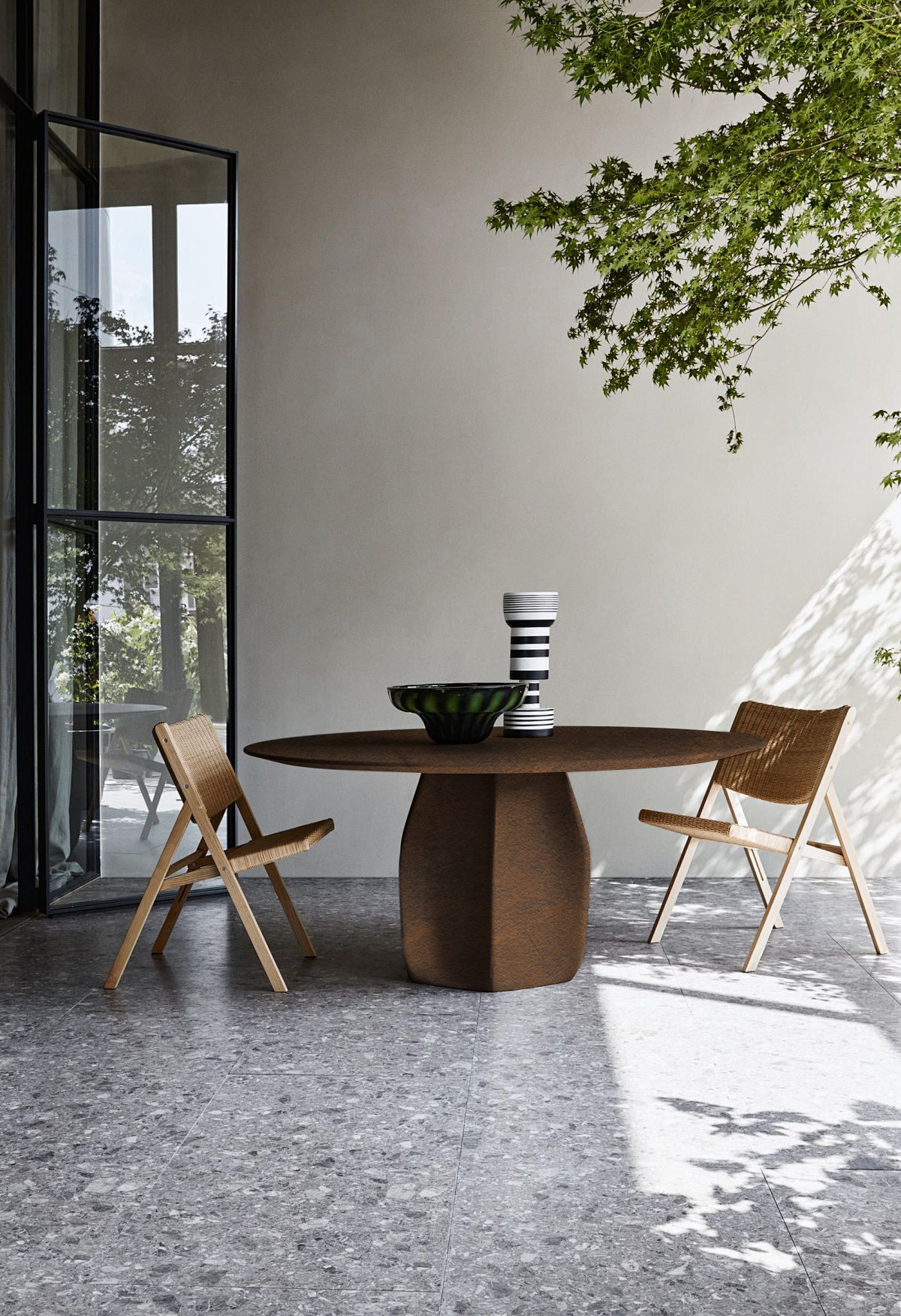
SOSB: Structural Stability as a New Generation Substrate Choice
The greatest feature of SOSB lies in its unique oriented structure.
Unlike MDF, which is formed by compressing fine wood fibres into a uniform structure, OSB uses larger wood strands arranged in multiple directional layers to create an enhanced internal structure. This structural design provides OSB with higher overall strength and dimensional stability.
For melamine faced panels, substrate stability is a key factor determining long-term product performance.
Especially in large furniture panels, cabinet systems, and premium customised applications, panels need to withstand continuous changes in temperature and humidity. If substrate stability is insufficient, it may lead to:
- Panel deformation;
- Misalignment of decorative patterns;
- Reduced surface performance;
- Decreased long-term service performance.
YAKCO uses customised SOSB as its primary substrate, manufactured with imported peeled pine. The wood strands are larger, wider, and thinner, with a more uniform density distribution. With its oriented structure advantages, it effectively reduces the impact of environmental changes and provides a more stable foundation for high-quality decorative surfaces.
Clean Air and Environmental Performance: The Core Advantage of SOSB in Healthy Home Applications
As global consumers become increasingly concerned about healthy living environments, environmental performance has become an important evaluation standard for premium furniture materials.
The new generation of SOSB achieves lower formaldehyde emissions through environmentally friendly adhesive systems and advanced manufacturing processes, while reducing the natural odour of the panel itself, providing a healthier material choice for interior environments.
Compared with traditional concepts of panel applications, SOSB is evolving from a “high-strength structural material” into a “health-oriented decorative substrate.”
Its advantages are mainly reflected in:
- Lower formaldehyde emissions;
- Superior odour control performance;
- Better suitability for green home applications;
- Meeting the environmental requirements of premium markets.
Especially in clean-air panel applications, SOSB is becoming an increasingly recognised high-performance and environmentally friendly substrate.
MDF: An Important Choice for Fine Processing and Design Expression
The greatest advantage of MDF comes from its uniform and fine fibre structure.
Due to its denser and smoother internal structure, MDF provides excellent surface quality and processing performance, maintaining significant advantages in furniture products requiring complex shaping and refined processing.
For example:
- Painted cabinet doors;
- Membrane-pressed doors;
- Fine carving;
- Complex edge processing.
For products that emphasise design expression and shaping flexibility, MDF can provide more refined processing results.
However, under market conditions where large-format applications, higher stability requirements, and increasing environmental demands are becoming more important, MDF also needs to consider factors such as cost, weight, and structural stability.
Why Is SOSB More Suitable for Synchronised Embossing and 3D Embossed Finishes?
Synchronised embossing and 3D embossing technologies are driving melamine faced panels into a new stage of development.
Unlike traditional flat printing, these technologies require a high level of consistency between patterns and surface structures, allowing consumers not only to visually perceive the texture of natural materials but also to experience realistic three-dimensional tactile effects.
Therefore, premium decorative technologies place higher requirements on substrates:
First, the substrate needs to have high dimensional stability.
Second, the substrate needs to have excellent internal support capability.
Third, the substrate needs to meet environmental requirements.
Therefore, in applications such as synchronised embossing, 3D embossing, and highly realistic decorative finishes, SOSB is demonstrating increasingly strong application potential.
Conclusion
With the continuous development of the premium home furnishing market, substrates are becoming an important factor in determining the value of melamine faced panels.
MDF continues to demonstrate its processing advantages, while SOSB provides the industry with a new high-performance solution through structural innovation and upgrades, environmental improvements, and compatibility with advanced surface technologies.
Driven by trends toward healthy homes, green manufacturing, and highly realistic decorative finishes, SOSB, featuring clean-air performance, high stability, and excellent surface performance, is expected to become an important development direction for the future melamine faced panel market.