中文简体
中文简体





Previous Post
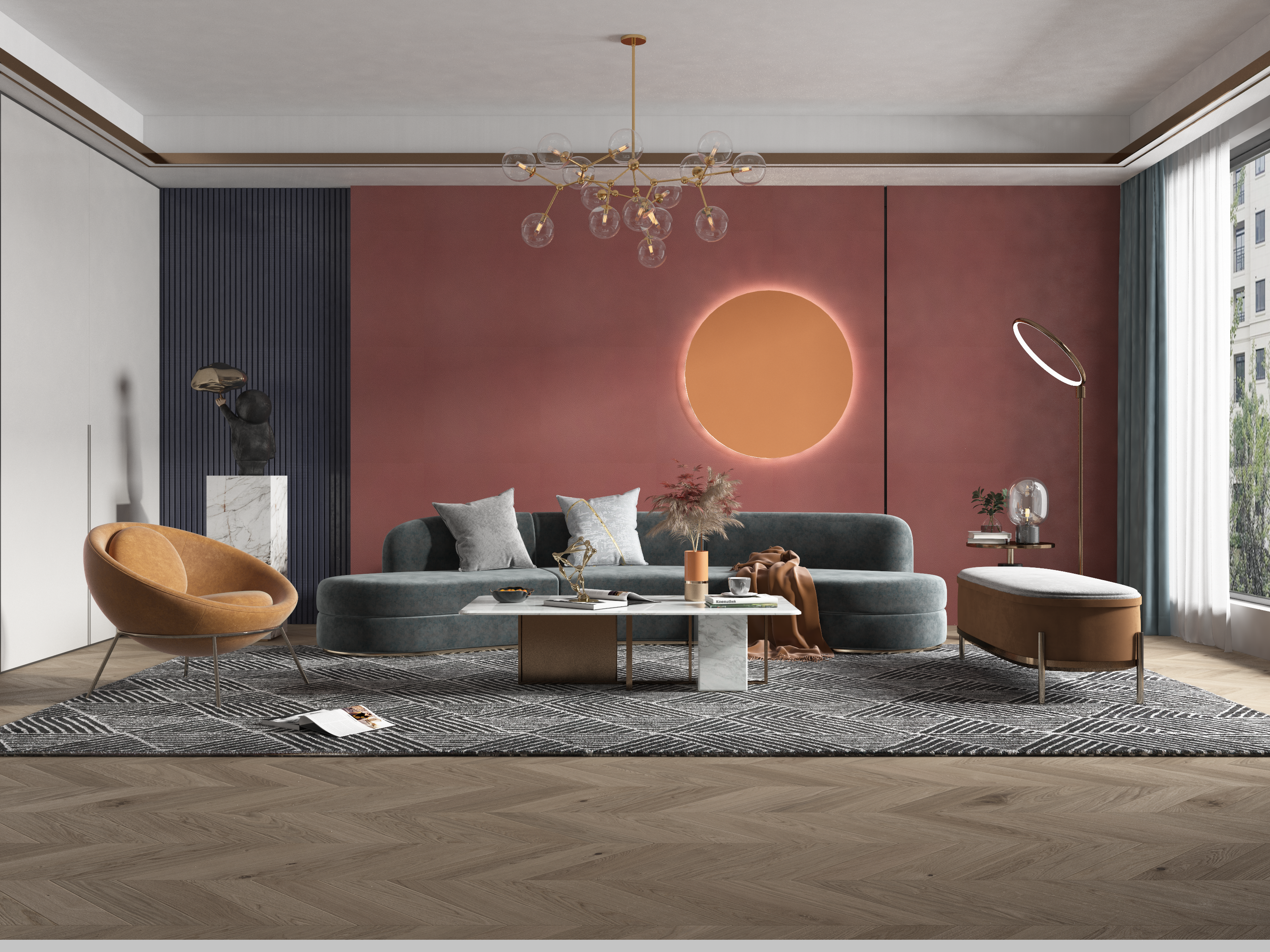
High‑end hotels, boutique clubs, luxury retail spaces–these places have completely different requirements for decorative materials compared to ordinary residences.
It is not just about "looking good"–it is about "looking good and withstanding daily contact from dozens or even hundreds of people."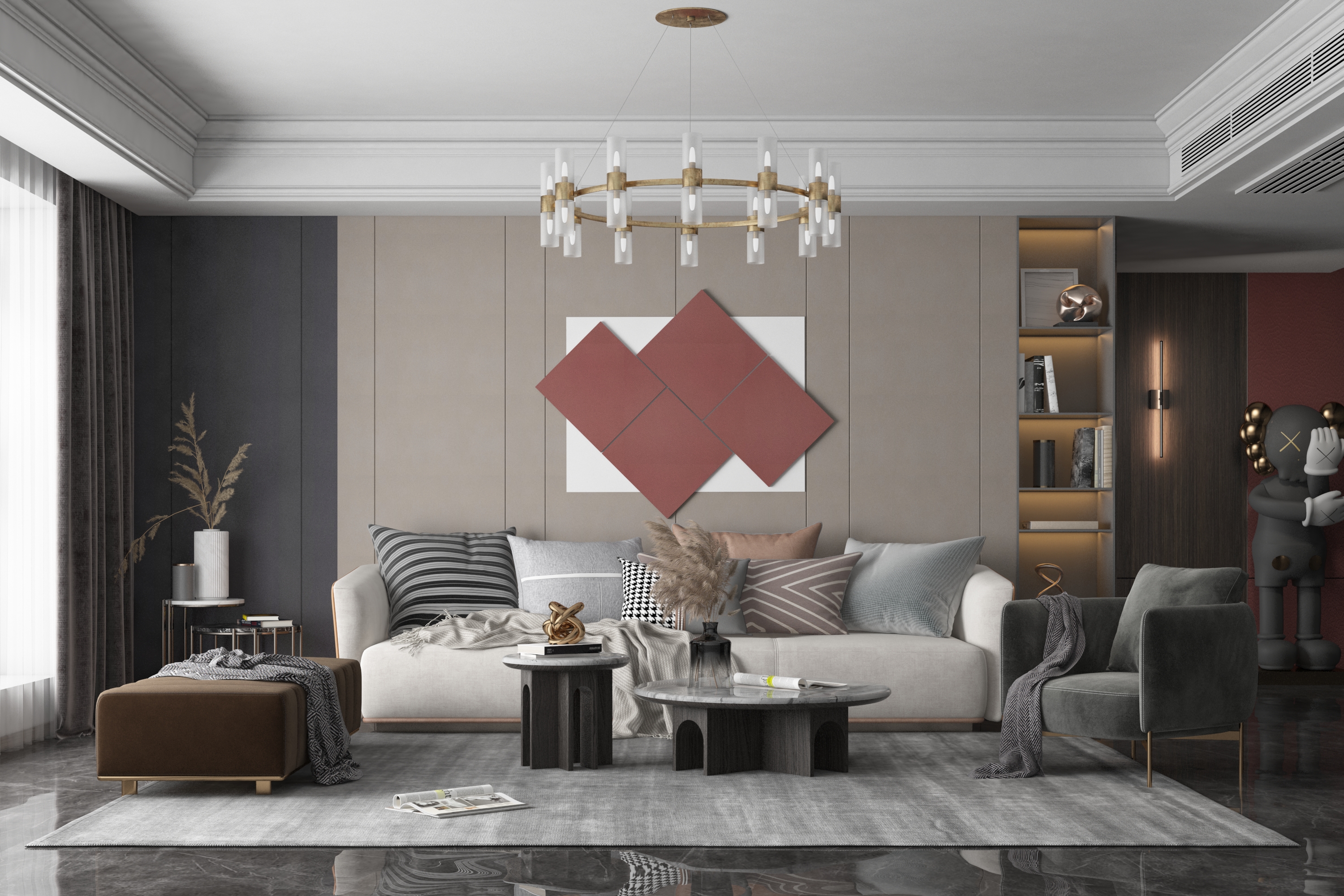
Leather texture Melamine Faced boards are becoming increasingly popular in these spaces because the warmth and affinity brought by leather texture can transform a space from "cold luxury" to "warm luxury."
More:yakco technology
But operators of commercial spaces know very well: if the "warmth" of leather texture cannot withstand high‑frequency use, it becomes a "burden of looking worn."
Fingerprints, scratches, stains, wear–marks that may not be obvious on plain colour panels are magnified on leather surfaces, because the texture of leather relies on "details" for support.
The following sections break down the "durability logic" behind Yakco’s data points from the perspective of real‑world commercial space usage.
1.The "Tactile Details" of Leather Texture Are "Anchored" by Surface Soundness
The tactile feel of leather texture is essentially a series of micro‑structures–the texture of goat, the grooves of woven patterns, the delicacy of nappa texture. These details are not printed, they are embossed.
And these micro‑structures need to remain "stable" over months or even years of use–they cannot be flattened by everyday contact, nor worn away by cleaning.
YAKCO achieved a surface soundness of 1.58 MPa, while the national standard only requires 0.60 MPa.
This data reflects the bonding strength between the decorative layer and the substrate.
The higher the value, the more firmly the decorative layer is "nailed" to the substrate, and the less likely the embossed structure is to "loosen" or "rebound" during use.
For commercial spaces, this means: the texture of leather on a sofa feature wall is not flattened by guests leaning against it; the woven texture on corridor wall cladding is not shallowed by cleaning wipes.
The tactile details of leather texture remain "anchored" in place after years of use.
2.The "Cleaning Tolerance" of Leather Texture Is Guaranteed by Wear Resistance and Stain Resistance
The cleaning frequency in commercial spaces is far higher than in residential settings.
Hotel corridors are vacuumed and wiped daily; restaurant booths are cleaned after every meal; club lounge areas are maintained multiple times a day.
If the leather surface is not sufficiently wear‑resistant, the "edges" of the texture will be dulled, turning from "delicate goat grain" into "blurred flatness."
If it is not sufficiently stain‑resistant, the accumulated dirt in the grooves will make the leather look old and dirty.
YAKCO achieved a wear value of only 35 mg/100r, far better than the national standard requirement of ≤80 mg/100r.
This means that even with daily high‑frequency wiping, the concave-convex structure of the leather texture remains clear and will not be "worn flat" within a few years.
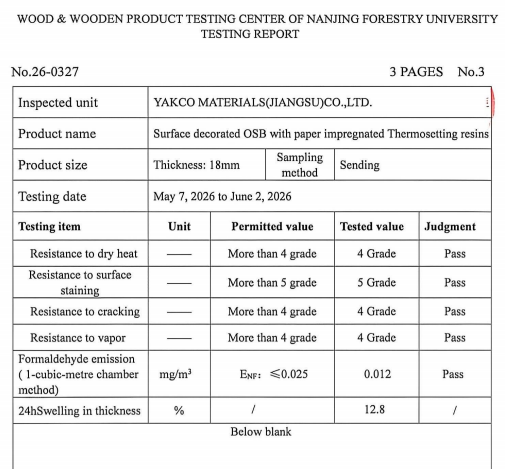
At the same time, Grade 5 in resistance to surface staining (the highest level) means that common commercial space stains such as red wine, coffee, and oil stains can be wiped clean with a damp cloth–no penetration into the leather grooves, no permanent stains.
For operators of hotels, clubs, and boutique stores, these two data points mean: cleaning staff do not need special cleaners or extra labour hours–the leather surface can be restored to cleanliness.
High cleaning efficiency, low maintenance costs.
3.The "Structural Stability" of Leather Texture Is Underpinned by the Substrate
The durability of the leather surface ultimately depends on the stability of the substrate.
If the substrate expands or contracts with humidity changes, the concave-convex structure of the leather will "deform."
If the internal layers of the substrate are not tightly bonded, the stress from leather embossing will cause micro‑cracks on the surface, accelerating wear.
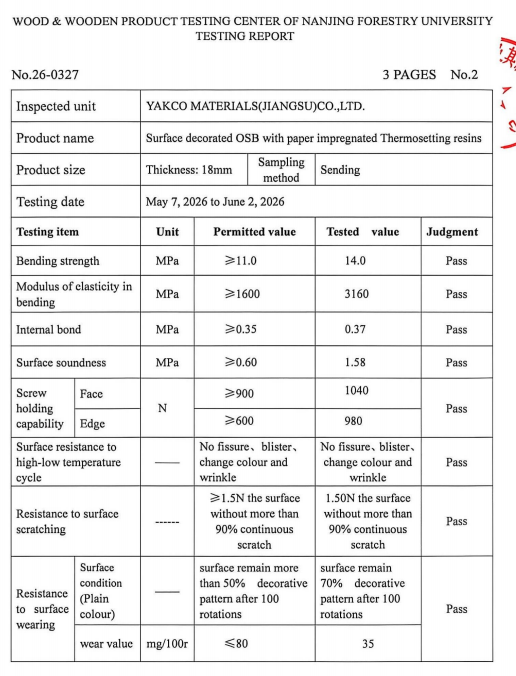
YAKCO's substrate has a stable density of 0.72 g/cm³ and internal bond of 0.37 MPa (national standard ≥0.35 MPa).
A stable substrate means that the micro‑structure of the leather texture does not deform or shrink during long‑term use, and the "tactile durability" of the leather texture is physically guaranteed.
4.From a Business Perspective: How Leather Durability Reduces "Hidden Costs"
Decision‑makers in commercial spaces often focus on purchase price, but the real cost drivers are later maintenance.
A comparison illustrates the point:
Ordinary leather grain board(wear 80 mg/100r, stain resistance Grade 4): In areas such as hotel corridors and restaurant booths, after 2‑3 years, the texture edges are dulled, and grooves have accumulated stains that cannot be removed.
Operators face two choices: either tolerate the "worn" appearance (hurting customer experience) or refurbish ahead of schedule (additional expenditure).
YAKCO leather texture Melamine Faced board (wear 35 mg/100r, stain resistance Grade 5): Under the same usage intensity, the clarity of the texture is maintained for approximately 40%‑50% longer.
The refurbishment cycle is extended from 3 years to 5 years or more, directly saving material costs, labour costs, and business interruption losses.
For a hotel with 100 guest rooms, extending the refurbishment cycle of corridor wall cladding and guest room cabinet doors by 2 years can save hundreds of thousands of RMB in total costs.
5.Conclusion: The "Warmth" of High‑End Spaces Does Not Require Constant Caution to Maintain
Designers choose leather texture boards to bring warmth and affinity to high‑end spaces.
But what space operators need is: this warmth must withstand daily use–guests do not need to be overly careful, and cleaning staff do not need to be extra cautious.
When a hotel manager says, "I want the premium feel of leather in the lobby, but I don't want to worry about maintenance," YAKCO provides the answer with data.
More:Leather Design Melamine Board