


 中文简体
中文简体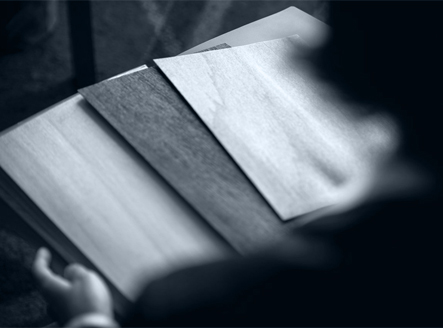





Previous Post
In the sophisticated world of high-end interior design and cabinetry, the quest for the perfect balance between the organic beauty of nature and industrial-grade durability is unending. While solid wood has long been the traditional choice, modern engineering has introduced a superior alternative: the application of high-quality Wood veneer onto a specialized Melamine Board Substrate. This combination allows designers to achieve the warm, tactile experience of authentic timber while benefiting from the dimensional stability and environmental resistance provided by advanced substrate technologies.
The Foundation of Quality: Understanding Melamine Board Substrate
The structural integrity of any decorative panel begins with its core. The Melamine Board Substrate serves as the critical backbone for premium surface treatments. Unlike standard plywood or basic particle boards, a dedicated substrate for Wood veneer application is engineered to have a perfectly uniform density and a high degree of surface smoothness. This ensures that when the thin layers of natural wood are bonded to the surface, there are no telegraphing defects or structural inconsistencies.
The Melamine Board Substrate is typically composed of high-density wood fibers fused under intense heat and pressure with specialized resins. This process creates a material that is significantly less prone to warping, shrinking, or expanding compared to solid lumber. For large-scale installations like wall partitions or floor-to-ceiling cabinetry, this stability is essential to maintain tight tolerances and clean architectural lines over time.
The Art of Wood Veneer Integration
The process of bonding Wood veneer to a Melamine Board Substrate is a delicate fusion of nature and science. Real wood veneers—thinly sliced layers of premium timber like oak, walnut, or cherry—are selected for their unique grain patterns and color consistency. These veneers are then applied to the substrate using high-performance adhesives and precision hot-pressing equipment.
By utilizing a Melamine Board Substrate, manufacturers can offer a wider variety of exotic wood species that would be cost-prohibitive or structurally unstable in solid form. The substrate provides the necessary rigidity to support the delicate veneer, while the melamine-impregnated core adds an extra layer of protection against moisture ingress from the edges. This synergy makes the final product an ideal choice for high-end residential projects and demanding commercial environments.
Technical Specifications and Performance Comparison
The following table highlights the technical advantages of using a Melamine Board Substrate in conjunction with Wood veneer compared to traditional solid wood options:
|
Performance Metric |
Wood Veneer on Melamine Substrate |
Traditional Solid Wood |
|---|---|---|
|
Product Keyword |
Melamine Board Substrate |
Solid Hardwood / Softwood |
|
Dimensional Stability |
High (Resists warping and cracking) |
Low (Prone to seasonal movement) |
|
Surface Finish |
Authentic Wood Veneer |
Natural Solid Grain |
|
Manufacturing Precision |
Micron-level thickness control |
Dependent on milling quality |
|
Environmental Impact |
Sustainable use of slow-growth timber |
High consumption of raw lumber |
|
Moisture Resistance |
Superior due to resin-impregnated core |
Vulnerable to humidity changes |
|
Application Range |
Large panels, cabinetry, wall cladding |
Furniture, structural beams, flooring |
Advanced Hot Pressing and Bonding Technology
The durability of the Wood veneer surface is largely determined by the "Regulated Hot Pressing" cycle. During this phase, the Melamine Board Substrate and the veneer are placed in a multi-daylight press where temperature and pressure are adjusted with surgical precision. The heat activates the adhesives, ensuring a permanent bond that prevents delamination even in challenging climates.
For specialized applications, a Metal Texture Panel effect can sometimes be combined with wood elements to create a contemporary "mixed-media" look. However, when the focus remains on the wood, the substrate's ability to remain flat under the intense pressure of the hot press is what defines the quality of the finished board. This technical reliability ensures that the Wood veneer retains its natural luster and clarity without the risk of surface bubbling or adhesive failure.
Roles and Functions in Modern Architecture
The versatility of the Wood veneer applied to a Melamine Board Substrate allows it to serve multiple functional roles. In modern office environments, these panels are frequently used for acoustic wall cladding and executive desk surfaces. The substrate provides the necessary mass for sound dampening, while the veneer offers a professional and welcoming aesthetic.
Additionally, in kitchen and bathroom design, the Melamine Board Substrate offers a significant advantage. Its inherent resistance to heat and steam makes it far more practical than solid wood for cabinet doors and side panels. When finished with high-quality oils or lacquers, the Wood veneer surface becomes virtually indistinguishable from solid timber, providing the "premium touch" required for luxury interiors while ensuring the installation remains functional for decades.
Enhancing Spatial Hierarchy with Natural Textures
The primary design goal of using Wood veneer is the creation of a sophisticated, organic environment. By providing a reliable surface that showcases the "rhythm" of natural wood grain, the Melamine Board Substrate helps designers achieve a sense of continuity across large surfaces. This is particularly important in open-plan living areas or expansive hotel lobbies where a consistent visual language is required.
Whether it is a feature wall with interlocking grain patterns or a minimalist wardrobe with vertical lines, the combination of a high-performance substrate and real wood finishes ensures a timeless appeal. The Melamine Board Substrate handles the physical stresses of the environment—resisting impact and maintaining its shape—while the Wood veneer ensures that the aesthetic remains warm and inviting.
Environmental Stewardship and Sustainability
Using Wood veneer on a Melamine Board Substrate is also a more sustainable approach to interior decoration. A single log of high-value timber can produce hundreds of square meters of veneer, whereas the same log would only yield a few solid planks. By maximizing the use of the aesthetic portion of the tree and using engineered wood fibers for the core, manufacturers can significantly reduce the environmental footprint of their products.
The Melamine Board Substrate itself often incorporates recycled wood content, further contributing to a circular economy in the construction industry. This allows architects to specify rare or slow-growing wood species without the ethical concerns associated with large-scale solid wood consumption. The result is a high-performance, beautiful, and responsible material choice for the next generation of modern interior surfaces.
Conclusion of Technical Advantages
Ultimately, the choice to use Wood veneer supported by a Melamine Board Substrate is a choice for quality and longevity. By marrying the unpredictable beauty of natural wood with the predictable performance of an engineered core, this product offers the best of both worlds. It provides the strength, stability, and precision required for complex architectural projects while delivering the unmatched elegance of real wood to every corner of the modern interior.





