


 中文简体
中文简体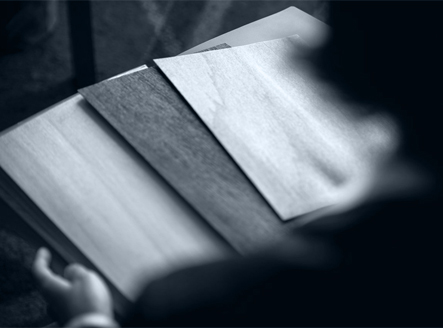





Previous Post
A 3D embossed wood panel is a wall or ceiling cladding product in which a raised and recessed surface pattern is pressed, carved, or formed into the panel face, creating dimensional visual and tactile depth that flat-surface panels cannot achieve. These panels are one of the most effective ways to add architectural character, texture, and warmth to a space without structural modifications, and they are available in materials ranging from solid timber and MDF to PVC, WPC, and engineered wood composites with realistic wood grain surfaces. Whether the goal is a feature wall in a living room, a textured ceiling in a hospitality space, an acoustic treatment in a home theater, or a weather-resistant exterior cladding system, the 3D embossed wood panel category offers a solution across virtually every application and budget level. Understanding how these panels are made, what substrate and surface combinations perform best in different environments, and how to install them correctly separates a successful outcome from one that disappoints.
How 3D Embossed Wood Panels Are Made
The manufacturing process determines the quality, precision, and depth of the embossed pattern, as well as the long-term durability of the panel surface. Three primary production methods are used across the industry, each suited to different substrate materials and design complexity levels.
Mechanical Press Embossing
The most widely used method for MDF, HDF, and engineered wood panels applies heat and pressure through an engraved steel press plate to the panel surface. The plate carries the inverse of the desired design, and as it is pressed into the panel face under controlled temperature and pressure conditions, the panel material deforms to take on the plate geometry. Modern press embossing on MDF uses pressures of 20 to 40 kg per square centimeter at temperatures of 160 to 200 degrees Celsius, which are sufficient to compress and permanently set the panel surface into patterns with relief depths ranging from 0.5 mm for fine texture work to 8 mm or more for dramatic three-dimensional geometric or organic forms. The advantage of press embossing is the ability to reproduce identical patterns across thousands of panels with precise consistency, which is essential for large installation projects where pattern continuity across multiple panels must be maintained.
CNC Router Carving
Computer numerically controlled router machines cut the three-dimensional pattern into the panel surface by removing material along programmed tool paths. CNC routing is used for solid wood panels, thicker MDF substrates, and composite materials where press embossing would not achieve sufficient relief depth or where the design complexity requires undercuts and features that a press plate cannot produce. CNC carved 3D panels can achieve relief depths of 20 mm or more on substrates of 30 to 50 mm thickness, enabling sculptural quality wall panel designs not achievable by any press-based method. The limitation is production speed: CNC routing is a subtractive single-machine process significantly slower than press embossing, which makes CNC carved panels correspondingly more expensive and better suited to custom architectural projects than to standard production volume work.
Extrusion and Injection Molding for Polymer-Based Panels
PVC, WPC (wood plastic composite), and polymer-based 3D panels are produced by extrusion through a shaped die for profile panels or by injection molding for individually formed tiles and decorative sections. The embossed pattern is integral to the die or mold geometry, so every part produced carries an identical three-dimensional surface without any secondary process. Extrusion embossing allows continuous profile lengths with consistent cross-sectional patterns, while injection molding accommodates more complex three-dimensional geometries including panels with different depths on multiple face planes. Polymer-based panels produced by these methods are inherently moisture resistant and dimensionally stable, making them widely used in bathroom, kitchen, and exterior applications where wood-based substrates would be unsuitable without extensive protective finishing.
Substrate and Material Options for 3D Embossed Wood Panels
The substrate material determines structural performance, moisture tolerance, weight, workability during installation, and the types of surface finish that can be applied. Matching the substrate to the installation environment is one of the most important decisions in specifying 3D embossed wood panels.
MDF and HDF Substrates
Medium density fiberboard (MDF) is the most widely used substrate for interior 3D embossed wood panels. Its homogeneous, void-free structure accepts the press embossing process exceptionally well, producing crisp, consistent pattern edges with smooth transitions between raised and recessed areas. MDF panels are available in standard thicknesses from 9 mm to 25 mm, and the panel faces can be finished with wood grain foil lamination, paint, lacquer, veneer, or factory primer for on-site painting. High density fiberboard (HDF) offers improved surface hardness and a denser core at the cost of greater weight, and is used where surface scratch resistance is a priority such as in commercial hospitality environments. The primary limitation of standard MDF and HDF in 3D panel applications is moisture sensitivity: the wood fiber core absorbs water and swells if exposed to sustained humidity without adequate sealing or the use of moisture-resistant (MR) grade variants. MR-grade MDF with sealed edges is the minimum specification for bathroom and kitchen use, though even MR-grade panels should not be used in direct water contact environments.
Solid Wood and Engineered Wood Substrates
Solid timber 3D panels offer the warmth, natural variation, and premium character that no engineered or polymer substrate can fully replicate. Species commonly used for embossed solid wood panels include oak, ash, walnut, pine, teak, and bamboo-based composites. The three-dimensional pattern in solid wood panels is almost always CNC carved rather than press embossed, as the variable density and grain direction of natural timber responds inconsistently to uniform press pressure. Engineered wood panels, which laminate a real wood veneer surface over a dimensionally stable plywood or LVL core, combine the authentic wood surface of solid timber with the structural stability that solid timber lacks. Engineered wood 3D panels are particularly well-suited to large panel sizes where solid timber would be prone to warping and splitting under environmental humidity changes.
WPC and PVC Substrates
Wood plastic composite (WPC) and PVC-based 3D embossed panels are the appropriate specification for environments where moisture resistance is the primary requirement. WPC panels combine wood flour (typically 40 to 70% by weight) with thermoplastic resin binders to produce a material that resists moisture absorption while retaining a surface texture that closely resembles wood grain. PVC foam-core panels offer the lowest moisture absorption of all panel substrates and are completely impervious to water penetration, making them suitable for direct wet area use in showers, pool surrounds, and exterior cladding. The trade-off for both WPC and PVC panels is that the embossed pattern depth achievable through extrusion is typically shallower and less sculptural than press-embossed MDF or CNC carved wood panels, and the surface aesthetic, while convincing at a distance, does not match the genuine tactile quality of real wood at close inspection.
Substrate Comparison at a Glance
| Substrate | Moisture Resistance | Emboss Depth Potential | Aesthetic Quality | Relative Cost | Best Application |
|---|---|---|---|---|---|
| Standard MDF | Low | High (up to 8 mm) | Very Good | Low | Dry interior rooms |
| MR-Grade MDF | Moderate | High (up to 8 mm) | Very Good | Low to Moderate | Kitchens, bathrooms (non-contact) |
| Engineered Wood | Moderate to Good | Moderate (CNC carved) | Excellent | Moderate to High | Feature walls, commercial interiors |
| Solid Timber | Low (untreated) | Very High (CNC 20+ mm) | Premium | High | Luxury residential, custom architectural |
| WPC | Very Good | Moderate (3 to 5 mm) | Good | Moderate | Outdoor, semi-outdoor, wet interior |
| PVC Foam Core | Excellent | Low to Moderate (2 to 4 mm) | Moderate | Low | Wet rooms, exterior cladding |
Design Patterns and Their Visual Effects
The pattern embossed into a wood panel is as important to the final result as the substrate and finish. Pattern selection shapes the mood, scale, and style of the finished space, and different patterns suit different room types, ceiling heights, and interior design directions.
Geometric Patterns
Geometric three-dimensional patterns including hexagons, diamonds, chevrons, stacked rectangles, and wave forms are among the most popular designs in contemporary 3D embossed wood panel applications. These patterns create strong visual rhythm across a wall or ceiling surface and respond dramatically to directional light sources, with raised elements catching light while recessed areas fall into shadow to produce a dynamic, shifting appearance that changes through the day as natural light angles evolve. Geometric patterns work particularly well at larger scales where the repetition creates a cohesive surface composition rather than visual clutter.
Wood Grain and Natural Texture Patterns
Wood grain embossing replicates the surface texture of natural timber with raised growth ring lines, ray patterns, and fiber texture formed into the MDF or composite substrate. When combined with a wood tone foil or paint finish, this creates a convincing wood appearance with tactile authenticity that printed wood grain alone cannot achieve. Three-dimensional wood grain embossed panels are the dominant format in residential interior paneling because they deliver natural warmth at a price point far below real timber paneling while performing better in terms of dimensional stability and freedom from knots, splits, and grain variation that make large-format solid wood paneling difficult to work with and expensive to source in consistent quality.
Carved and Sculptural Patterns
High-relief carved patterns including Islamic geometric lattice work, floral ornaments, Art Deco motifs, abstract organic forms, and custom artistic compositions are produced primarily by CNC routing on thicker substrates. These panels function as architectural art objects as much as surface cladding, and are typically used as feature elements rather than continuous surface coverage. A single carved 3D wood panel centered above a fireplace, flanking a reception desk, or spanning the back wall of a restaurant booth creates a focal point of genuine visual impact that would require expensive commissioned artwork or stone carving to approach in any other material. The accessibility of CNC technology has made this level of design detail available at commercial production pricing rather than bespoke craft pricing, which has expanded its use in mid-market hospitality, retail, and residential design significantly over the past decade.
Slatted and Linear Profiles
Slatted wood panels, in which evenly spaced vertical or horizontal timber battens are mounted on an acoustic felt or backing board to create a three-dimensional linear surface, represent a distinct and increasingly popular subcategory of 3D wood panels. The gaps between the slats provide genuine three-dimensional relief and allow the backing layer to be seen as a contrasting element, typically in black felt, charcoal acoustic foam, or a contrasting wood tone. Slatted acoustic panels combining oak or walnut veneered slats over a 12 mm black acoustic backing achieve sound absorption coefficients of 0.7 to 0.9 at mid frequencies, making them genuinely functional acoustic treatment as well as decorative wall panels. This dual function has driven their widespread adoption in home theaters, podcast studios, open-plan offices, and restaurant dining rooms where both aesthetics and acoustic performance are specified.
Surface Finishes Applied to 3D Embossed Wood Panels
The surface finish applied over the embossed panel substrate determines the color, sheen, durability, and tactile quality of the finished panel. Several finishing systems are used across the 3D embossed wood panel category:
- PVC foil lamination: A PVC foil with a printed and textured surface is vacuum-pressed over the embossed panel, conforming to the three-dimensional profile. Available in hundreds of wood grain, solid color, and metallic designs, PVC foil is the most cost-effective factory finish and produces a sealed, cleanable surface with good resistance to everyday wear. The foil must be vacuum-pressed carefully into all recesses of the three-dimensional pattern to avoid bridging across deep features, which would flatten the visual depth of the emboss.
- Melamine facing: A thermally fused melamine resin impregnated paper is pressed directly onto the panel surface during manufacture. Melamine facing is extremely hard wearing with a surface scratch resistance significantly higher than PVC foil, and it is available in a range of woodgrain, stone, and solid color designs. However, melamine is brittle at the thin edge sections of deep emboss patterns, and bridging or cracking at sharp emboss edges is a quality concern that must be managed in both pattern and process design.
- Real wood veneer: A thin slice of natural timber species is bonded to the panel surface, preserving the authentic grain, color variation, and warmth of real wood. Veneered 3D panels achieve the premium appearance of solid timber paneling at a fraction of the material cost and with significantly better dimensional stability. The veneer must be flexible enough to conform to the embossed surface without cracking, which typically limits veneered 3D panels to moderate relief depths of 3 to 5 mm maximum for most species.
- Paint and factory primer: Panels supplied with a factory primer or white base coat finish are intended for on-site painting to any specified color. This option provides the greatest design flexibility for custom color schemes and allows color changes in the future without replacing the panels. The three-dimensional emboss pattern reads most dramatically when painted in a single color because the shadow play between raised and recessed areas creates all the visual variation rather than relying on color contrast.
- UV-cured lacquer: A hard UV-cured clear coat applied at the factory seals the panel surface against moisture ingress and provides excellent abrasion resistance. UV lacquer is available in matte, satin, and gloss sheens, and is the standard finish for solid timber and engineered wood 3D panels where the natural wood surface must be preserved while receiving adequate protection for interior use.
Room Applications: Where 3D Embossed Wood Panels Work Best
The application environment determines both the substrate and finish specification required and the design approach that will yield the best result. Matching panel type to room function and conditions avoids the common mistake of specifying aesthetically appropriate panels that fail prematurely because the substrate cannot handle the environment.
Living Rooms and Bedrooms
Dry residential rooms are the most forgiving environment for 3D embossed wood panels and accommodate the widest range of substrate and finish options. Standard MDF panels in deep geometric or carved patterns painted in a single tone create dramatic feature walls that completely transform the character of a room without requiring structural modification. Warm wood grain embossed panels in natural oak, walnut, or pine tones bring tactile warmth to bedroom walls and create a sense of cozy enclosure that smooth painted surfaces lack. For ceiling applications, lightweight MDF panels of 9 to 12 mm thickness in wave or coffered patterns can be direct-fixed to existing ceilings using construction adhesive and finish nails, creating the appearance of elaborate plastered coffering at a fraction of the cost and time.
Kitchens and Bathrooms
Kitchens and bathrooms require moisture-resistant substrate specifications. MR-grade MDF with sealed edges and a factory-applied PVC foil or UV lacquer finish is the minimum appropriate specification for kitchen splashback areas and bathroom walls above the water splash zone. For wet room walls and shower surrounds, WPC or PVC foam-core panels with an integrated surface finish are the technically correct specification. The embossed pattern depth in wet area panels should be moderate to shallow (2 to 4 mm maximum) to prevent cleaning difficulty in the recessed areas, where moisture and soap residue can accumulate if the pattern is too deep.
Hospitality and Commercial Interiors
Hotels, restaurants, bars, retail environments, and corporate offices use 3D embossed wood panels extensively for the same reason residential projects do, but at a larger scale and with higher durability requirements. Commercial specifications typically require surface hardness and impact resistance above what standard MDF foil panels can provide, making HDF substrates, engineered wood veneered panels, and WPC panels the most appropriate options in high-traffic areas. Feature walls at reception desks, bar backs, lift lobbies, and dining room feature areas are among the most impactful applications of large-format CNC carved 3D panels, where the investment in custom pattern design and deeper relief carving delivers a level of distinctiveness that standard catalog products cannot match.
Exterior Cladding Applications
Exterior 3D embossed wood panels require substrates and finishes rated for outdoor UV, moisture, and temperature cycling exposure. WPC exterior cladding panels with three-dimensional woodgrain surfaces are among the most durable and aesthetically versatile options available, offering the weathering performance of polymer materials with the appearance of natural timber. Treated and sealed exterior-grade solid timber panels offer genuine wood authenticity outdoors but require regular maintenance with UV-protective oil or stain every 2 to 4 years depending on exposure. Properly maintained exterior timber 3D panels develop a natural silver-grey patina if left untreated, which is a deliberate aesthetic choice in some contemporary architectural projects where the aging of the material is part of the design intention.
Installation Methods and Best Practices
The installation method significantly affects the visual quality of the finished wall and the long-term performance of the panel system. Several methods are in common use, each with distinct advantages and limitations.
Direct Adhesive Bonding
Construction adhesive applied to a flat, prepared wall surface is the simplest installation method for 3D embossed wood panels and works well on smooth plasterboard, plaster, and concrete surfaces. The wall surface must be flat within 3 mm over 2 meters for adhesive-only installation to achieve acceptable joint quality between adjacent panels. High-grab construction adhesives allow temporary repositioning within the first 5 to 10 minutes of application while developing sufficient bond strength within 24 hours. This method works best for lighter panels up to approximately 8 kg per square meter and is particularly suitable for ceiling installations where mechanical fixing would otherwise require through-panel fasteners that compromise the surface.
Clip and Track System Installation
Many 3D embossed wood panel systems are designed for installation using a concealed aluminum or steel clip and track system. Horizontal wall rails are fixed to the substrate wall at vertical intervals matching the panel height, and panels click or clip onto the rails through molded receivers on the panel rear face. This method provides a fully concealed fixing with no visible fasteners on the panel face and allows panels to be removed and replaced individually for access or future changes. Clip systems are the standard installation method in commercial interiors where future flexibility and a clean aesthetic are both required. The rail system also creates a cavity behind the panels that can accommodate concealed wiring for LED accent lighting, which is a popular detail in high-end residential and commercial 3D panel installations.
Furring Strip and Mechanical Fixing
For heavier panels, uneven walls, or exterior applications, horizontal timber or aluminum furring strips are fixed to the wall structure and the panels are face-nailed or screwed through the panel face into the strips. In 3D embossed panel applications, visible fastener holes must be placed in the recessed areas of the pattern where they are visually less apparent, or concealed with matching color filler after installation. Face fixings should be made using a color-matched pin nailer or countersunk screw system where possible to minimize visual disruption to the embossed surface pattern.
Joint Treatment and Pattern Alignment
Joint treatment between adjacent 3D embossed panels is one of the most important factors determining installation quality. Options include:
- Butt joint with pattern alignment: Adjacent panels are butted directly together with the embossed pattern continuing seamlessly across the joint. This requires precise pattern registration between panels and accurate cutting of any field-cut pieces. It produces the cleanest appearance but demands the highest installation precision.
- Recessed joint: A deliberate 3 to 5 mm gap is left between adjacent panels, creating a shadow line that frames each panel as a discrete element. This approach conceals minor misalignment and tolerates less precise installation without visual penalty, making it the most forgiving joint detail for large installation areas.
- Cover strip or bead: A coordinating timber bead, aluminum extrusion, or painted MDF strip covers the joint between panels. This produces a traditional paneled wall appearance and is particularly suited to raised-and-fielded panel designs where the cover strip becomes part of the geometric language of the pattern.
Maintenance and Long-Term Care of 3D Embossed Wood Panels
The maintenance requirements for 3D embossed wood panels are modest in most applications, but the three-dimensional surface does present specific cleaning considerations compared to flat wall surfaces.
Routine Cleaning
Dust accumulation in the recessed areas of embossed patterns is the primary maintenance consideration for interior 3D panels. For most residential applications, monthly dusting with a soft brush attachment on a vacuum cleaner or a dry microfiber cloth removes accumulated dust without damaging the panel surface. Avoid abrasive cleaning tools on PVC foil or lacquered surfaces. For deeper cleaning of interior panels with water-resistant finishes, a lightly damp cloth with a mild neutral detergent is adequate for removing fingerprints and light soiling. Allow the surface to dry completely before any prolonged water contact.
Touch-Up and Repair
Paint-finished MDF 3D panels allow straightforward touch-up with matching paint for minor surface damage. Factory-finished PVC foil panels are more challenging to touch up seamlessly because color-matched foil for field repair is rarely available. A better approach for damaged foil-finished panels in visible locations is full panel replacement, which is straightforward with clip-and-track installation systems. Solid timber and veneer panels can be spot-repaired with matching wood filler and touch-up stain, but large damage areas in premium timber panels typically require professional refinishing to achieve an acceptable match.
Periodic Refinishing for Exterior Timber Panels
Exterior solid timber and engineered wood 3D panels require periodic application of UV-stable exterior grade oil, stain, or paint to maintain moisture protection and prevent surface checking or graying beyond the intended patina. The maintenance interval depends on panel orientation: south-facing panels in full sun in temperate climates may need refinishing every 18 to 24 months, while north-facing or shaded panels may remain in acceptable condition for 3 to 5 years between maintenance cycles. WPC exterior panels require no periodic refinishing, only routine washing with mild detergent and water to remove surface biofilm and atmospheric deposit.
Choosing the Right 3D Embossed Wood Panel for Your Project
Selecting the correct panel specification involves working through a logical sequence of decisions that progressively narrows the options to those genuinely suitable for the application:
- Define the environment first: Dry interior, humidity-exposed interior, wet room, semi-outdoor, or full exterior exposure. The environment determines the substrate shortlist before any aesthetic decisions are made.
- Establish the pattern depth and type that serves the design intention: Shallow wood grain texture for warmth and subtlety, deep geometric pattern for dramatic architectural effect, or slatted construction for acoustic function combined with visual texture.
- Determine the scale of the installation and budget: Large feature wall covering 20 square meters or more warrants premium substrate and finish investment because the visual impact is proportionate to quality. Small accent panels in lower traffic areas can use more economical specifications without compromising the overall result.
- Match the installation method to the wall substrate and project conditions: Clip-and-track for commercial flexibility, direct adhesive for lightweight panels on smooth walls, furring strip for heavy panels or uneven surfaces.
- Request physical samples before committing to a full order: The three-dimensional quality of embossed panel patterns is very difficult to assess from photographs alone. The depth of the emboss, the sharpness of the pattern edges, the finish quality, and the panel weight all become apparent only in a physical sample. Most reputable suppliers provide A4 or larger samples on request.
A 3D embossed wood panel installation done correctly adds genuine architectural value to a space that endures for decades, while a poorly specified or installed one becomes a maintenance problem and an aesthetic disappointment within a few years. The decisions made in substrate selection, pattern choice, finish specification, and installation method collectively determine which outcome you achieve.





