中文简体
中文简体





Previous Post
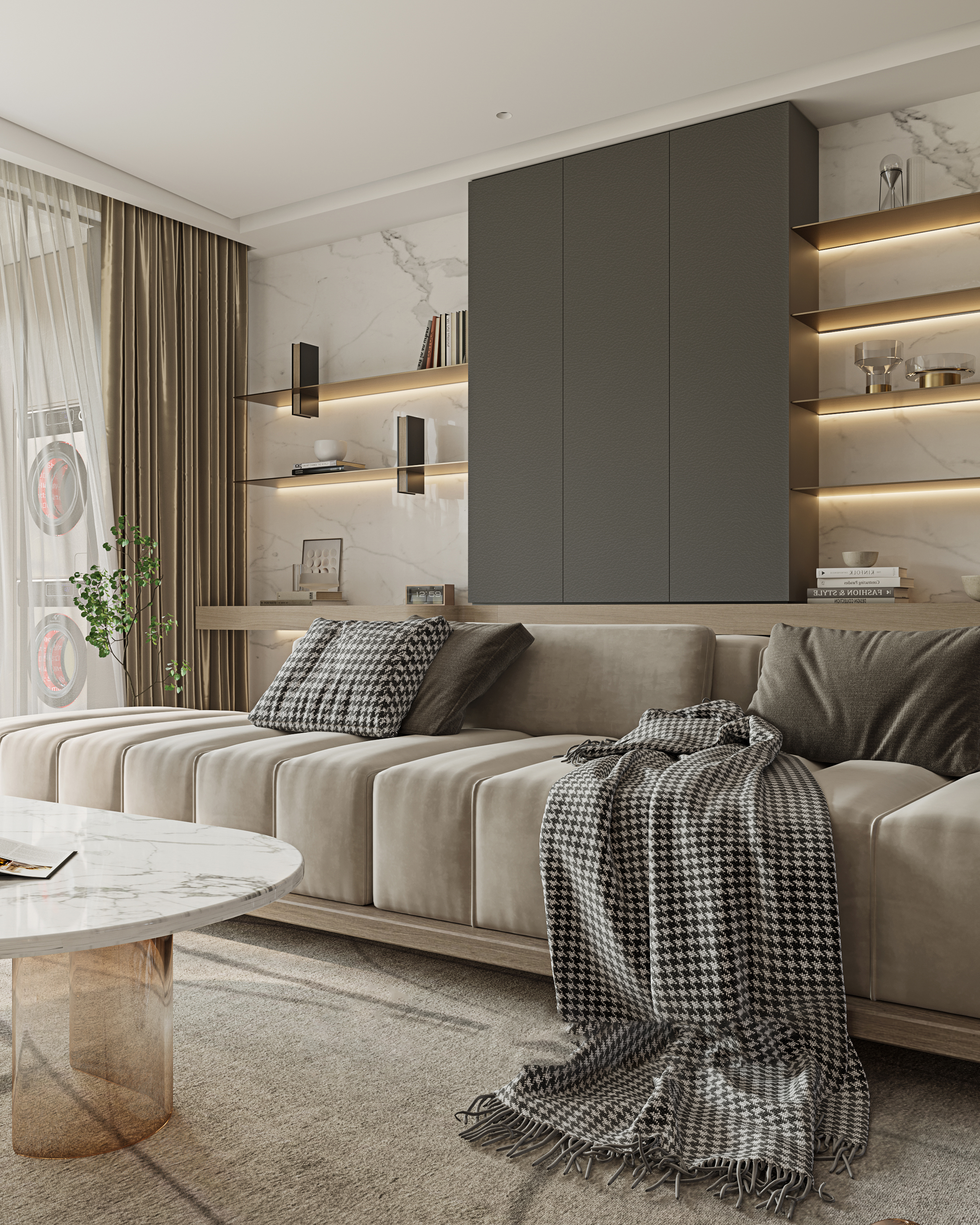
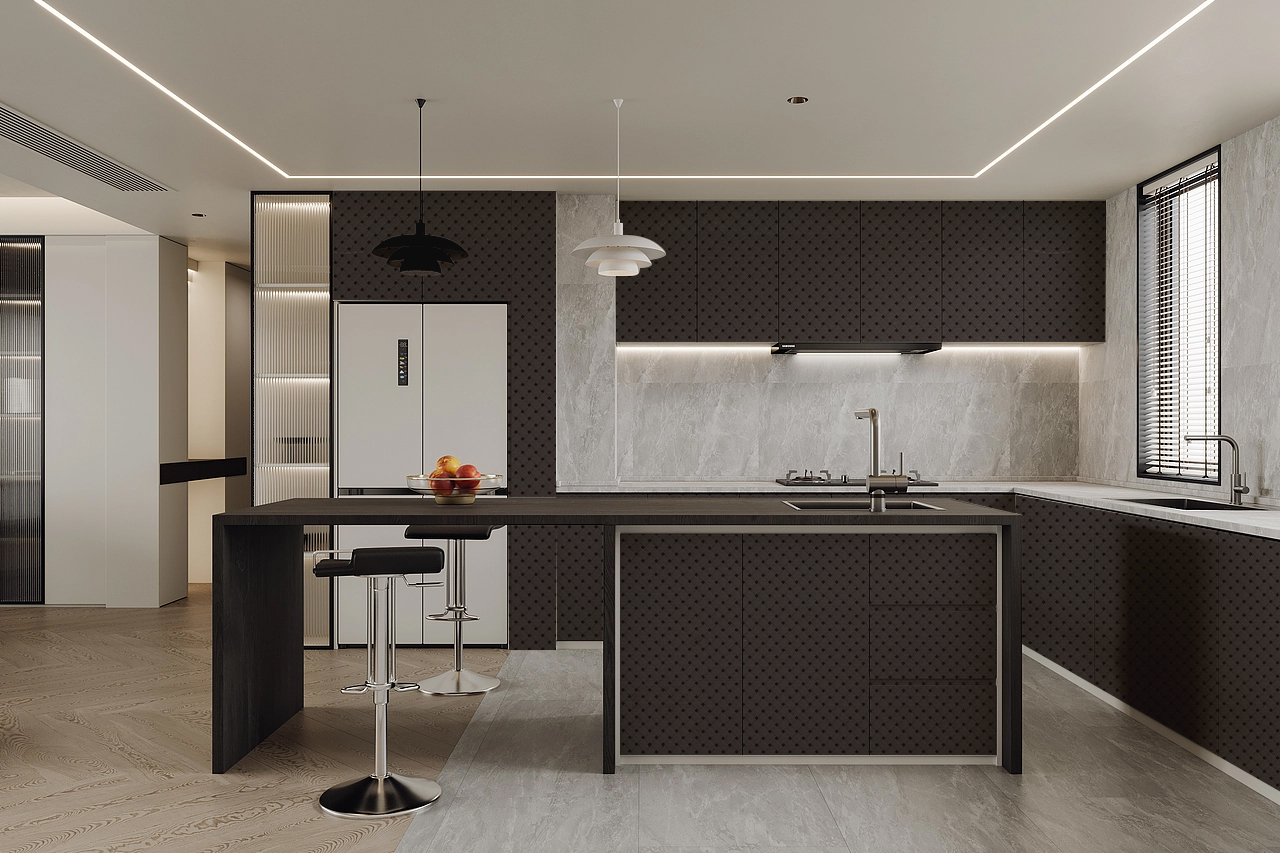
With its geometric lines, metallic texture, and high‑contrast colour schemes, the Art Deco style is making a strong comeback in high‑end hotels, boutique stores, and luxury residential projects.
However, when translating such patterns into reality, designers often encounter five practical issues.
YAKCO Art Deco Melamine Board answers each of them with data from a national accredited test report.
More Details: yakco technology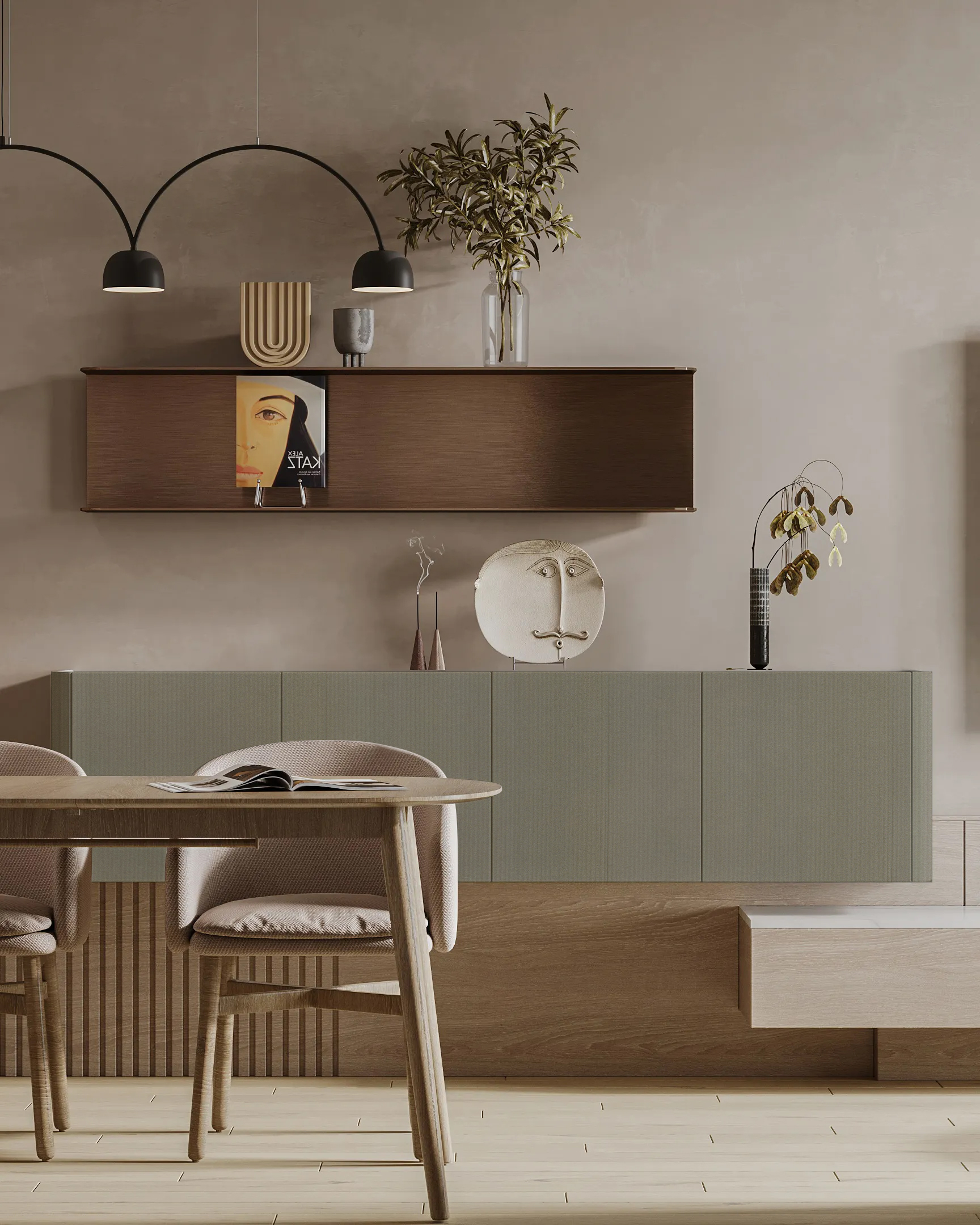
Q1: Will the fine gold lines be broken by keys or zippers?
Designer’s concern: Art Deco often uses slender vertical stripes, fan‑shaped rays, and stepped geometric borders. Once these fine patterns are scratched by hard objects, the damage becomes especially conspicuous.
Test data: Resistance to surface scratching
National standard requirement: ≥1.5 N load, the surface without more than 90% continuous scratch
YAKCO tested value: 1.5 N – Pass
Answer: A tolerance of 1.5 N means that keys, belt buckles, or the edges of metal ornaments sliding across the board surface will leave only extremely slight and discontinuous marks, and will not cut or blur the fine lines. The gold lines remain intact under luggage rubbing and daily contact.
Q2: What about coffee or red wine spills on black‑gold or blue‑silver high‑contrast colour blocks?
Designer’s concern: Once liquid stains penetrate the dark colour blocks, the light metallic lines will turn yellow and dull, greatly reducing the decorative effect.
Test data: Resistance to surface staining
National standard requirement: ≥ Grade 4
YAKCO tested value: Grade 5 – Pass
Answer: Grade 5 means that soy sauce, red wine, and coffee spills can be wiped clean with a damp cloth– no staining, no rings. The gold and silver printed areas are equally dense and low in porosity. Common beverages on hotel guest room desks or coffee shop counters will not leave permanent marks on the Art Deco pattern.
Q3: Will a hot coffee cup placed directly on a gold line leave a white ring?
Designer’s concern: Many artistic decorative surfaces are heat‑sensitive. A hot cup bottom left for a few seconds creates a white misty ring, which is especially noticeable on high‑gloss metallic areas.
Test data: Resistance to dry heat
National standard requirement: ≥ Grade 4
YAKCO tested value: Grade 4 
Answer: Grade 4 means that even brief contact with the bottom of a freshly boiled kettle will not damage the gloss or colour of the Art Deco pattern – no white heat rings, no uneven gloss. For hotel guest room desks and coffee shop counters, this performance allows designers to confidently use Art Deco in high‑frequency hot‑drink contact areas without needing coasters on every table.
Q4: With frequent cleaning of feature walls and cabinet doors, will the metallic lines be “worn flat”?
Designer’s concern: Art Deco feature walls and cabinet doors in commercial spaces are wiped by cleaning staff every day. If wear resistance is poor, the sharpness of the metallic lines will be dulled and the colours will fade after a few years.
Test data: Resistance to surface wearing
National standard requirement (plain colour): No show‑through after 100 rotations, wear value ≤80 mg/100r
YAKCO tested value: No show‑through after 100 rotations, wear value only 35 mg/100r 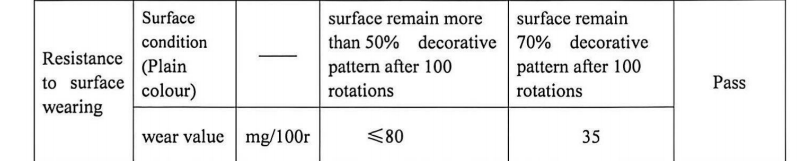
Answer: The low wear value of 35 mg/100r means that cleaning and wiping will not damage the thickness of the decorative layer; the sharp edges and colour saturation of the metallic lines are maintained over the long term. Even with daily cleaning, the artistic pattern remains “as sharp as new”.
Q5: In hotels or clubs where smoking is allowed, will an accidental cigarette touch leave a scar on the Art Deco wall?
Designer’s concern: Although high‑end clubs and hotel executive lounges may have designated smoking areas, accidental contact between a cigarette and the wall is hard to avoid completely. Ordinary decorative panels develop permanent burn marks.
Test data: Resistance to cigarette burns
National standard requirement: ≥ Grade 4
YAKCO tested value: Grade 4 – Pass
Answer: Grade 4 means that after accidental cigarette contact, the surface may show extremely slight wipeable marks or no obvious permanent damage– no burn craters or black scorch spots. For hotel elevator lobbies, club private rooms and similar areas, this indicator provides designers with a “fault‑tolerant” safety margin.
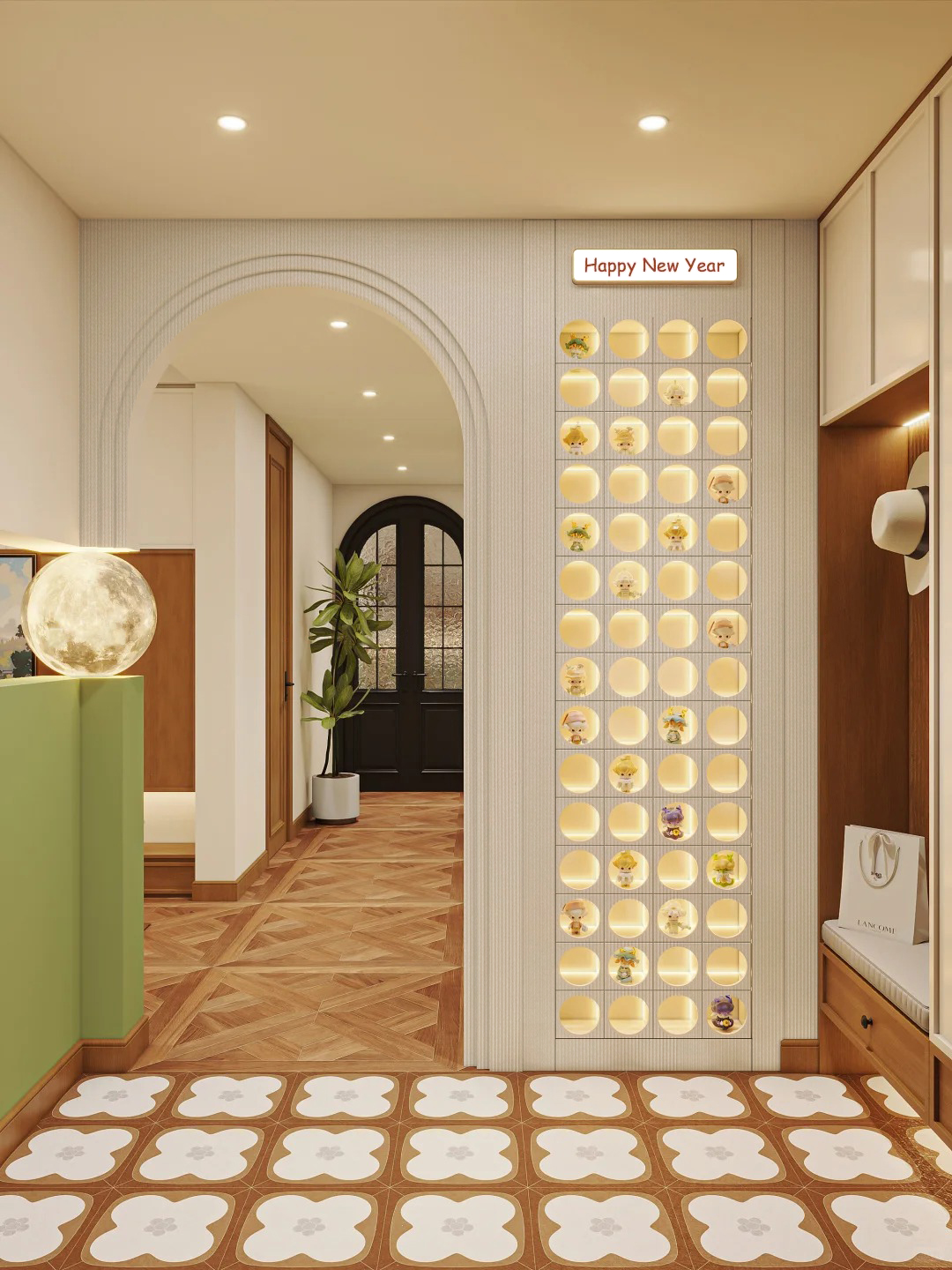
The same answer behind all five questions: A stable substrate allows the decorative surface to be “uncompromising”
All the surface properties above ultimately depend on the underlying support of YAKCO Melamine Board Substrate:
1.Density 0.72 g/cm³: uniformly distributed, ensuring that large‑area Art Deco patterns are not distorted and pressing stresses are not concentrated.
2.Internal bond 0.36 MPa: the substrate is compact, and the decorative layer is firmly anchored under thermal stress, moisture, and scratching.
3.Moisture content 5.3%: low shrinkage/swelling, preventing later micro‑cracks in the pattern caused by substrate deformation.
Conclusion: Designers focus on pursuing ultimate aesthetics– leave the durability data to the test report
The value proposition of YAKCO Art Deco Melamine Board is very straightforward:
Designers do not need to choose between “exquisite pattern” and “everyday durability”.
Scratch resistance, stain resistance, dry heat resistance, wear resistance, cigarette burn resistance– five sets of data cover all the “accidents” that Art Deco may encounter in hotels, commercial spaces, and residences. Every gold line, every high‑ contrast colour block is backed by a test report.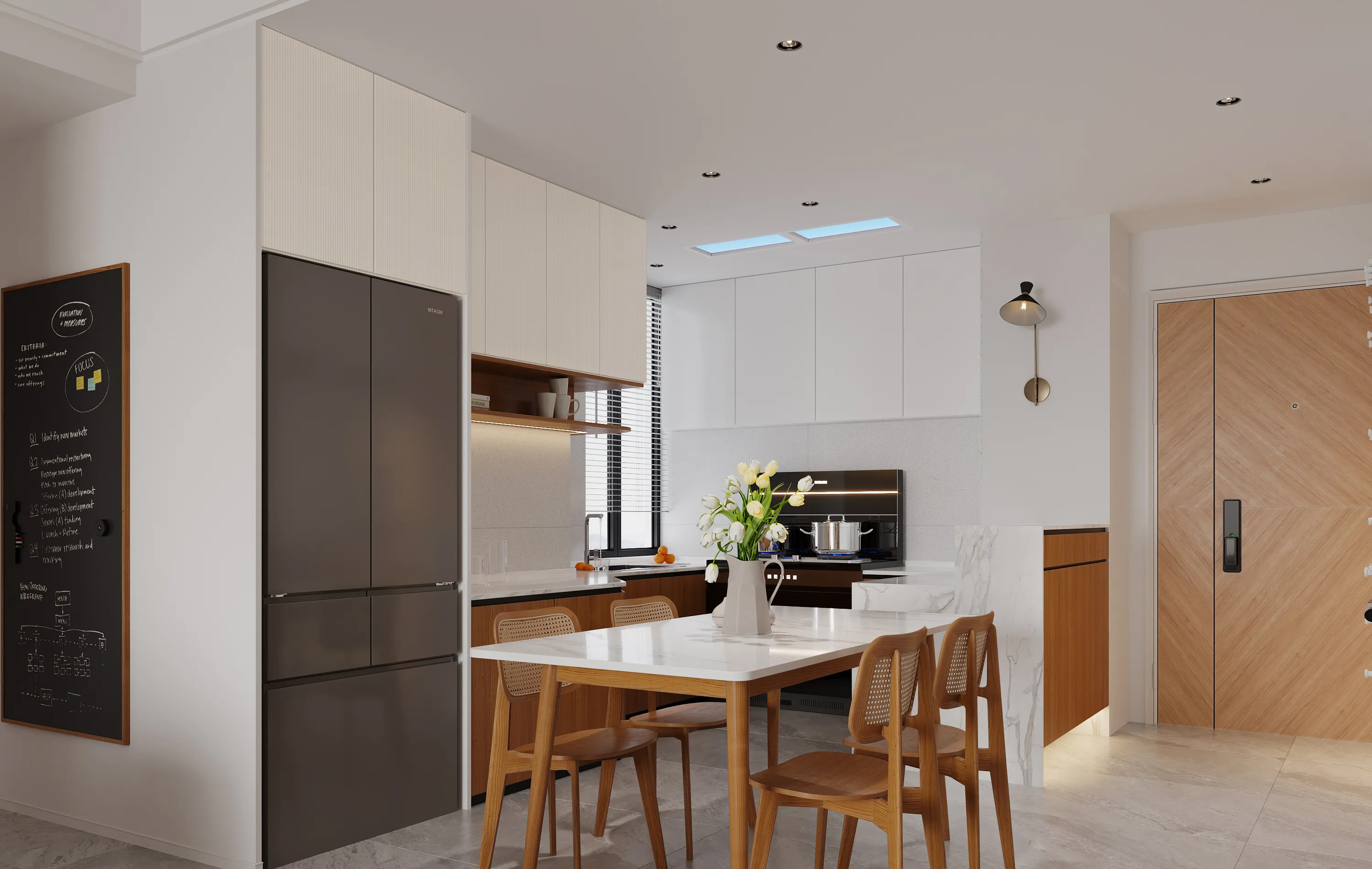
YAKCO specialises in the R&D and manufacturing of melamine decorative boards, offering parallel series of Art Deco, Rock Design, 3D wood texture, and Leather Design.
Want to learn more:Art Deco Melamine Faced Board